
California May Study Bringing Grizzly Bears Back More Than 100 Years After They Disappeared

The grizzly bear has been a symbol of California for generations, appearing prominently on the state flag despite disappearing from the wild more than a century ago. Now, lawmakers are considering a proposal that would study whether grizzly bears could one day return to parts of the state. Supporters say the effort is about gathering scientific information, not immediately releasing bears, and exploring whether modern California could once again support its iconic native predator.
Grizzlies Once Roamed Across California
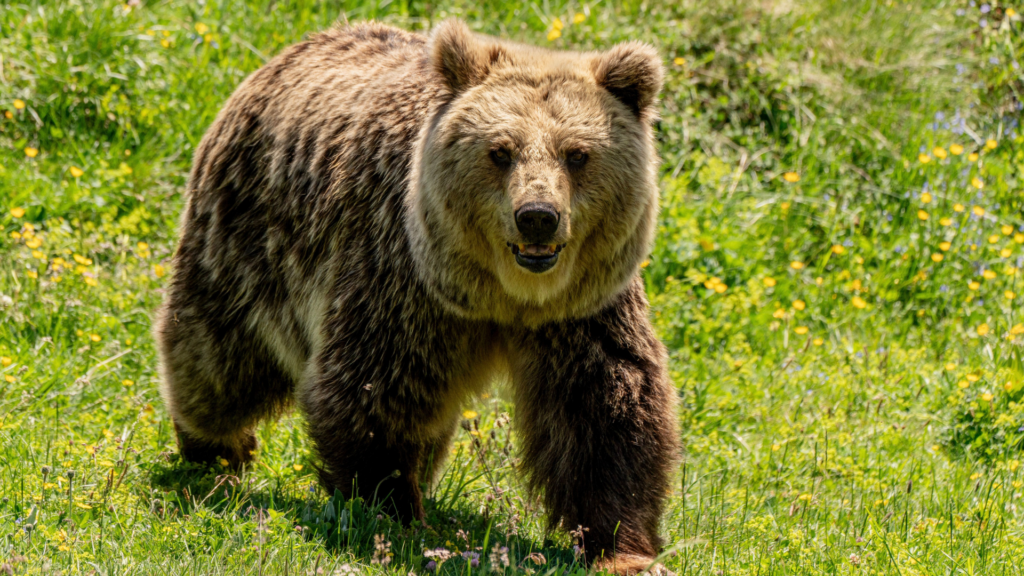
Before European settlement, an estimated 10,000 grizzly bears lived throughout much of California. They occupied forests, grasslands, mountains, and coastal regions, playing an important role as apex predators. Hunting, habitat changes, and conflicts with humans eventually drove the bears to extinction within the state, with the last confirmed wild California grizzly seen in the 1920s.
The Proposal Is to Study a Return, Not Release Bears

The legislation being considered would direct the California Department of Fish and Wildlife to conduct a comprehensive feasibility study. Researchers would examine habitat, ecological impacts, public safety, economic considerations, and community perspectives before any future decisions could be made. Supporters emphasize that the bill does not authorize reintroducing bears, it simply calls for gathering the scientific evidence needed to evaluate the idea.
Scientists Say Suitable Habitat Still Exists

A recently released feasibility study concluded that California still contains large areas capable of supporting grizzly bears. Researchers identified several regions with suitable habitat, abundant food sources, and enough space for a sustainable population. They also found no major biological or ecological barriers that would automatically prevent grizzlies from living in the state again.
Supporters Say Grizzlies Could Benefit Ecosystems

As apex predators, grizzly bears influence ecosystems in several ways. They help distribute nutrients, disperse seeds, and regulate populations of other wildlife. Conservation groups argue that restoring native predators can strengthen biodiversity and improve ecosystem health, much like other wildlife restoration efforts that have taken place in North America.
Not Everyone Supports the Idea

The proposal has generated debate among ranchers, rural communities, and wildlife experts. Some opponents worry about livestock losses, public safety, property damage, and the costs associated with managing grizzly populations. Supporters acknowledge those concerns and say they should be thoroughly evaluated as part of the feasibility study before any future action is considered.
Tribal Leaders Are Helping Shape the Conversation

Several California Native American tribes have joined environmental organizations in supporting the study. For many tribes, the grizzly bear holds deep cultural and spiritual significance. Tribal leaders say that any discussion about restoring grizzlies should include Indigenous knowledge alongside modern wildlife science and public input.
Any Return Would Take Many Years

Even if the study concludes that reintroduction is feasible, experts say bringing grizzlies back would be a lengthy process. Additional environmental reviews, public comment periods, funding decisions, wildlife management plans, and long-term monitoring would all be required before any reintroduction could move forward. The process would likely take years rather than months.
California’s State Animal Could One Day Return

Although the California grizzly has been absent from the wild for more than 100 years, it remains one of the state’s most recognizable symbols. The current proposal has renewed public interest in the animal’s history and prompted discussions about balancing wildlife conservation with the needs of modern communities. Whether or not grizzlies ever return, the study could shape California’s approach to large wildlife conservation for decades to come.
The First Step Is Learning What’s Possible

For now, California is considering research, not reintroduction. The proposed study would help determine whether grizzly bears could safely and sustainably return after more than a century of absence. By examining ecological science, community concerns, economic impacts, and cultural perspectives, state leaders hope to better understand whether one of California’s most iconic native animals could ever reclaim part of its historic home.
PetsFanatic Team
Pet Care Expert & Content Creator
Passionate about sharing knowledge and tips for better pet care. Writing about everything from pet health to training techniques.