
Bronx Zoo Staff Mourn ‘Happy the Elephant’ After Emotional Final Goodbye

Bronx Zoo staff and animal lovers are mourning the loss of Happy, one of the zoo’s most well-known and beloved elephants. Happy died at the age of 53 after living at the Bronx Zoo for nearly five decades, leaving behind a legacy that touched generations of visitors and animal care professionals. Her passing prompted an emotional response from zoo employees who had spent years caring for her and monitoring her health.
Happy arrived at the Bronx Zoo in 1977 after being captured as a calf in Asia and later transported to the United States. Over the years, she became one of the zoo’s most recognizable residents and attracted international attention because of her intelligence and unique place in animal cognition research. Her life was closely followed by animal advocates, researchers, and visitors who viewed her as an iconic member of the zoo community.
According to reports, staff members who worked closely with Happy described her final days as emotional and difficult. Many caretakers developed strong bonds with the elephant throughout their careers and regarded her as a remarkable animal with a distinct personality. Her death marks the end of an era for one of the oldest elephants living in a North American zoo.
Happy Became Known Worldwide for Her Intelligence
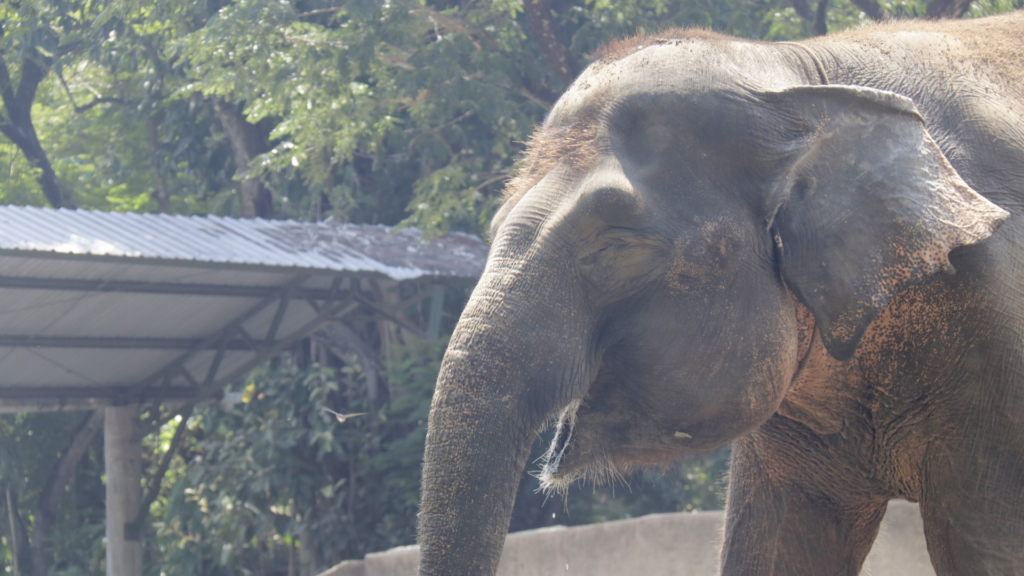
Happy gained international recognition in part because of scientific studies examining elephant cognition and self-awareness. In 2005, researchers reported that she became the first elephant to pass a mirror self-recognition test, a milestone often associated with advanced cognitive abilities. The achievement placed her among a small group of animals, including great apes, dolphins, and magpies, that have demonstrated this behavior.
Her cognitive abilities later became part of broader discussions about animal welfare and the treatment of elephants in captivity. Animal rights organizations frequently cited Happy’s case while advocating for greater legal protections for highly intelligent animals. Several legal challenges and public campaigns focused on her living conditions, bringing national attention to debates surrounding elephants in zoos.
Despite the controversy, Bronx Zoo officials consistently maintained that Happy received high-quality care from veterinary professionals and experienced animal specialists. The zoo emphasized its commitment to providing enrichment, medical treatment, and specialized support throughout her life. Her story became one of the most widely discussed examples of the intersection between animal welfare, science, and public education.
Caretakers Reflect on Decades Spent With Happy

For many Bronx Zoo employees, Happy was more than just an exhibit animal. Some caretakers spent decades working with her and witnessed important milestones throughout her life, creating relationships built on trust, routine, and daily interaction. Staff members described her as intelligent, observant, and capable of recognizing the people who cared for her regularly.
Reports indicate that zoo employees became emotional while reflecting on Happy’s passing and the role she played within the zoo community. Her longevity allowed multiple generations of animal care professionals to work with her over the years. As one of the zoo’s oldest residents, she became a symbol of continuity and a familiar presence for visitors returning year after year.
The loss has also prompted renewed discussion about the challenges of caring for aging elephants in zoological settings. Older elephants often require specialized medical care, dietary adjustments, and close monitoring to address age-related health concerns. Zoo officials noted that Happy had received extensive veterinary attention throughout her later years as part of those efforts.
Happy Leaves a Lasting Legacy at the Bronx Zoo

Happy’s death has left a profound impact on the Bronx Zoo community and on the many people who followed her story over the years. Her nearly five decades at the zoo made her one of its most recognizable animals and a significant figure in discussions about elephant intelligence and welfare. The emotional response from staff reflects the deep connections that can develop between animal caretakers and the animals they care for every day.
Beyond her role at the zoo, Happy became known around the world because of groundbreaking research that highlighted her cognitive abilities. Her participation in scientific studies helped expand public understanding of elephant behavior and contributed to ongoing conversations about how intelligent animals should be treated. Those achievements ensured that her influence extended far beyond the boundaries of her habitat.
As Bronx Zoo employees, visitors, and animal advocates reflect on her life, Happy’s legacy is likely to endure for years to come. Her story combined scientific significance, public fascination, and decades of dedicated care from the people who knew her best. For many, she will be remembered not only as a zoo resident but as an extraordinary elephant whose life sparked important conversations about animals and their welfare.
PetsFanatic Team
Pet Care Expert & Content Creator
Passionate about sharing knowledge and tips for better pet care. Writing about everything from pet health to training techniques.