
Boy Dies of Rabies After Waking Up With a Bat on His Face
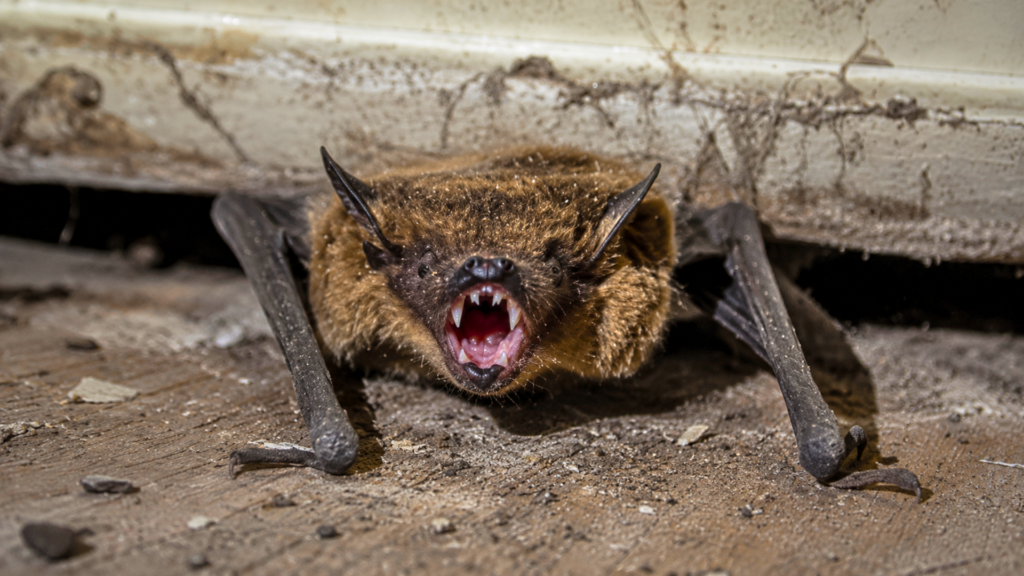
An 11-year-old boy woke up in the middle of the night at a family cottage with a bat pressed against his nose and mouth. He swatted it away without thinking twice. There was no blood, no bite mark, nothing that looked dangerous. 19 days later, he was fighting for his life. According to a report in the Canadian Medical Association Journal, his case became one of the most sobering rabies stories in recent Canadian history.
A Routine Night at the Cottage Turns Strange

The family was staying at a cottage in northern Ontario in 2024 when the boy stirred awake to find a bat resting on his face. He pushed it off instinctively, and his father scooped the animal into a cooking pot and released it outdoors. No one panicked. The bat had not scratched or bitten him, at least as far as anyone could see, and it had not acted aggressively.
Why the Family Didn’t Rush to the Doctor

The boy had no visible wounds, so his parents did not consider the encounter an emergency. Health officials say that reasoning is a dangerous, common mistake. Bat teeth are so small that bites often leave no visible mark at all, which is exactly why direct contact with a bat, injury or not, is treated as a possible rabies exposure. Without that knowledge, the family moved on with their trip, unaware that a countdown had already begun.
Nineteen Days of Silence

For nearly three weeks, the boy showed no signs of illness. Then his face began to swell, and numbness spread across one side. His parents brought him to an emergency clinic, where doctors suspected Bell’s palsy, a temporary weakness of the facial muscles, and prescribed antiviral medication typically used for herpes infections. It seemed like a plausible explanation. Nobody yet suspected that a virus with no cure was already moving through his nervous system.
A Diagnosis That Kept Slipping Away

The boy’s condition did not improve, so his family took him to the hospital. Doctors there diagnosed herpes gingivostomatitis, a viral mouth infection, and sent him home. He returned the very next day after the right side of his face went completely weak.
A Sudden and Terrifying Collapse

While waiting to be admitted, the boy spiked a fever of 39 degrees Celsius, or 102 Fahrenheit. He began struggling to swallow, grew confused, and started experiencing visual hallucinations. His condition deteriorated so fast that doctors intubated him within hours and moved him into the pediatric intensive care unit. It was only at this point, faced with a rapidly unraveling case, that specialists began considering a diagnosis no one had mentioned before: rabies.
The Suspicion That Finally Made Sense

Infectious disease specialists at the University of Manitoba’s Department of Pediatrics and Child Health reviewed his symptoms alongside his history and strongly suspected rabies, given the bat exposure weeks earlier. Days later, lab tests confirmed it. The Canadian Food Inspection Agency identified the exact strain as a bat rabies virus variant, directly linking his illness to the encounter at the cottage that his family had once dismissed as harmless.
A Rare Disease With Almost No Second Chances

By day five of his hospital stay, the boy’s brain stem reflexes were gone. Life-sustaining treatment was withdrawn on day 17, and he died with his family beside him. Rabies is almost always fatal once symptoms appear, with no effective treatment at that stage. Doctors say his case was the first locally acquired rabies infection recorded in Ontario since 1967, a statistic that underscores just how rare, and how lethal, this virus remains.
How Canada Keeps a Deadly Virus at Bay

Human rabies deaths are extraordinarily rare in Canada, with only 28 recorded since 1924, according to the Canadian Veterinary Medical Association. That low number exists only because of consistent, long-running vaccination programs for pets and wildlife. The association warns that letting those programs lapse could allow the disease to return. Anyone who has direct contact with a bat, injury visible or not, is urged to seek rabies postexposure treatment immediately.
A Preventable Tragedy That Came Down to Timing

A vaccine given in the days after exposure could have stopped the virus before it ever reached his brain. Once symptoms appeared, nothing could be done. His death stands as a stark reminder that with rabies, the absence of a visible wound means nothing, and the window to act closes long before anyone realizes it has opened.
PetsFanatic Team
Pet Care Expert & Content Creator
Passionate about sharing knowledge and tips for better pet care. Writing about everything from pet health to training techniques.