
Birds Are Vanishing Faster Across North America, and Researchers Are Looking Closely at Farmland
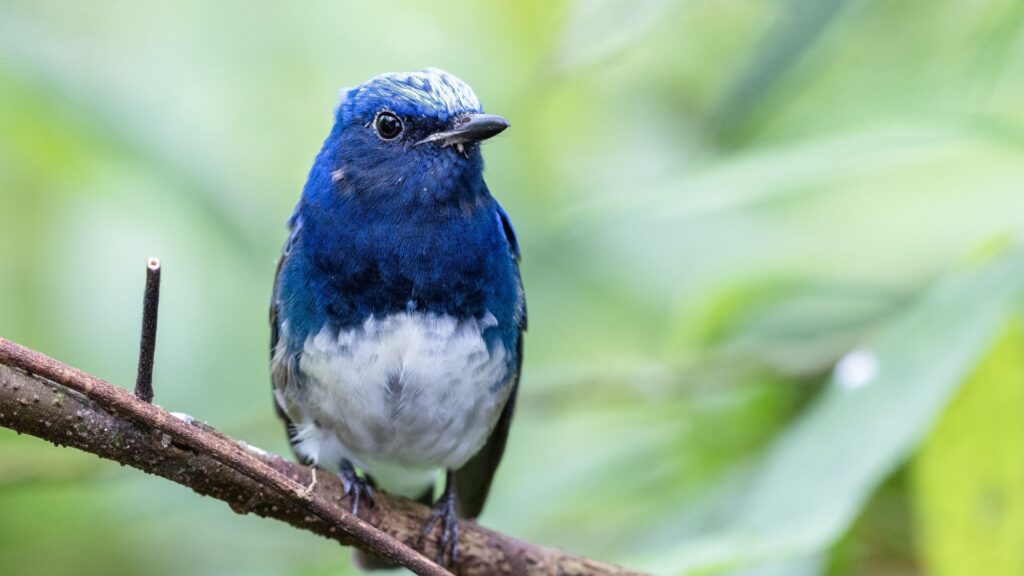
Across North America, bird populations have been shrinking for decades. Scientists have long documented these losses, but recent research suggests something even more concerning, the decline is not only continuing but accelerating in certain landscapes. Areas shaped by intensive farming and expanding human activity appear to be among the most affected. By analyzing decades of data, researchers are beginning to understand how agriculture, environmental pressures, and climate conditions are combining to shape the future of bird populations across the continent.
Bird Populations Have Declined Dramatically Over The Past Decades

Bird numbers across the United States have dropped significantly since the late twentieth century, with billions of individuals disappearing from ecosystems since the 1970s. Scientists link these losses to a combination of environmental pressures, including pollution, chemical exposure, and widespread changes to natural habitats. At the same time, human activity has intensified through population growth, expanding transportation networks, and economic development, all of which have increased the pressure on natural landscapes and the species that depend on them.
Researchers Discover That Declines Are Accelerating

A recent study published in the scientific journal Science suggests that bird population losses are not simply steady but are accelerating in several regions. This means that the number of birds lost each year is growing larger over time rather than remaining constant. Such patterns point to environmental pressures that may be intensifying, especially in areas where land use has changed dramatically due to human development and agricultural expansion.
Long-Term Data Helps Scientists Understand The Trend

To explore these patterns, researchers analyzed information from the North American Breeding Bird Survey, a large monitoring program that tracks bird populations across the United States and Canada. The study focused on 261 species and examined population changes between 1987 and 2021. By studying decades of observations, scientists were able to identify long-term trends and determine whether declines were slowing down, stabilizing, or becoming more severe over time.
Nearly Half Of The Studied Species Are Declining

The analysis revealed that bird numbers fell by roughly 15 percent during the study period. In practical terms, that means for every six birds counted in 1987, only about five remained three decades later. Nearly half of the species examined showed measurable population declines, with some familiar birds experiencing particularly strong reductions in their numbers across large parts of the country.
Citizen Scientists Play A Key Role In Monitoring Birds

The North American Breeding Bird Survey is one of the longest-running wildlife monitoring efforts in the world. Since 1969, trained volunteers have traveled along thousands of established routes each breeding season to count birds while they nest and raise their young. This extensive network of observations has created a remarkable dataset that allows researchers to track wildlife changes across vast geographic areas and long periods of time.
Southern Regions Show Stronger Population Losses

When researchers mapped the results, they noticed that declines were particularly strong in the southern United States. Earlier studies have also suggested that warmer regions may place additional stress on many bird species. As temperatures rise, some birds struggle to adapt, while others shift their ranges toward cooler areas, altering long-established migration patterns and habitats.
Farmland Regions Show Faster Declines

Some of the most rapid population losses were detected in parts of the Midwest, California, and the Mid-Atlantic region. These areas share a common feature, large-scale agricultural activity. Researchers measured farming intensity using factors such as the amount of cropland, fertilizer use, and pesticide application. Locations with heavier agricultural activity were more likely to show bird populations declining at an increasing rate.
Modern Agriculture Changes The Landscape

Large farming operations often replace diverse natural habitats with extensive monoculture fields, reducing the variety of plants and insects available for wildlife. Many bird species rely on insects for food and on shrubs or grasses for nesting, both of which may disappear when landscapes become heavily managed. The use of herbicides and pesticides can further reduce food sources, while machinery and simplified habitats can make reproduction more difficult.
Chemicals And Climate Pressures May Work Together

Scientists believe several factors likely interact to amplify these declines. Pesticides can directly harm birds through toxic exposure and indirectly affect them by reducing insect populations. At the same time, agricultural landscapes often contain fewer trees and shaded areas, which can cause temperatures to rise more quickly than in natural habitats. These conditions may intensify the stress birds experience as the climate continues to warm.
Why These Accelerating Losses Matter

Accelerating declines serve as an early warning signal for ecosystems. Birds play essential roles by controlling insect populations, dispersing seeds, and maintaining ecological balance. Because they respond quickly to environmental changes and are closely monitored by scientists, they often reveal broader shifts in nature before other species do. With nearly 40 percent of U.S. land used for agriculture, the way farmland is managed will have a major influence on the future of biodiversity, and positive changes in land practices could allow bird populations to recover faster than many people expect.
PetsFanatic Team
Pet Care Expert & Content Creator
Passionate about sharing knowledge and tips for better pet care. Writing about everything from pet health to training techniques.