
Bird Life Matters More Than We Think, and Here Are The Reasons Why

Birds bring a quiet kind of magic to our everyday lives—the soft flutter of wings, the morning melodies, the glimpse of color in the trees.
But beyond their beauty, birds play essential roles in keeping nature balanced and healthy.
From helping plants grow to protecting our crops, their impact runs deep. Here’s why bird life deserves more attention, care, and protection than we might realize.
Natural Pest Control at Its Finest

Birds are nature’s built-in pest management system. Species like swallows and swifts can consume thousands of insects in a single day, including mosquitoes, beetles, and other pests.
This helps protect crops and gardens without relying on harmful pesticides. Fewer chemicals in the soil and water means better health for ecosystems and people alike.
So when you see a bird swooping through the air, it’s doing more than putting on a show—it’s hard at work.
Forest Gardeners in Disguise

Many birds play an unsung role in keeping forests alive and thriving. As they eat fruit and fly from place to place, they scatter seeds in their droppings, naturally replanting trees and shrubs.
This process, called seed dispersal, is essential for regenerating wild habitats. Without birds doing this quiet work, some plants wouldn’t survive, and entire ecosystems could change.
Essentially, every forest needs its feathered gardeners.
Nature’s Tiny Pollinators

When we think of pollinators, bees usually come to mind. But birds, especially hummingbirds and sunbirds, do their part too.
As they sip nectar from flowers, they transfer pollen from plant to plant, helping them reproduce. This keeps a diverse range of flowering plants blooming, many of which support other wildlife.
Bird-powered pollination is one more way nature stays balanced, colorful, and alive.
The World’s Cleanup Crew

Crows, vultures, and other scavenging birds often get a bad rap, but they play a vital role in keeping our environment clean.
By feeding on animal remains, they help prevent the spread of disease and reduce the need for human intervention. It’s not glamorous, but it’s essential.
These birds quietly manage nature’s waste, turning decay into renewal in ways we often overlook.
The Web We Don’t See

Birds are deeply woven into the ecosystems they live in. As both predators and prey, they help regulate populations of insects, rodents, and even other birds.
Without birds, these natural balances can tip, sometimes in ways that ripple through entire food chains. Their presence helps keep nature from swinging too far in any one direction, keeping ecosystems stable and resilient.
Nature’s Early Messengers

Because birds are so sensitive to changes in the environment, their behavior, or absence, can be a powerful warning sign.
When bird populations decline, it often signals problems like pollution, habitat loss, or climate shifts. Scientists rely on these changes to sound the alarm before damage becomes irreversible.
In many ways, birds are nature’s way of whispering, “Pay attention.”
They Help Coral Reefs Thrive
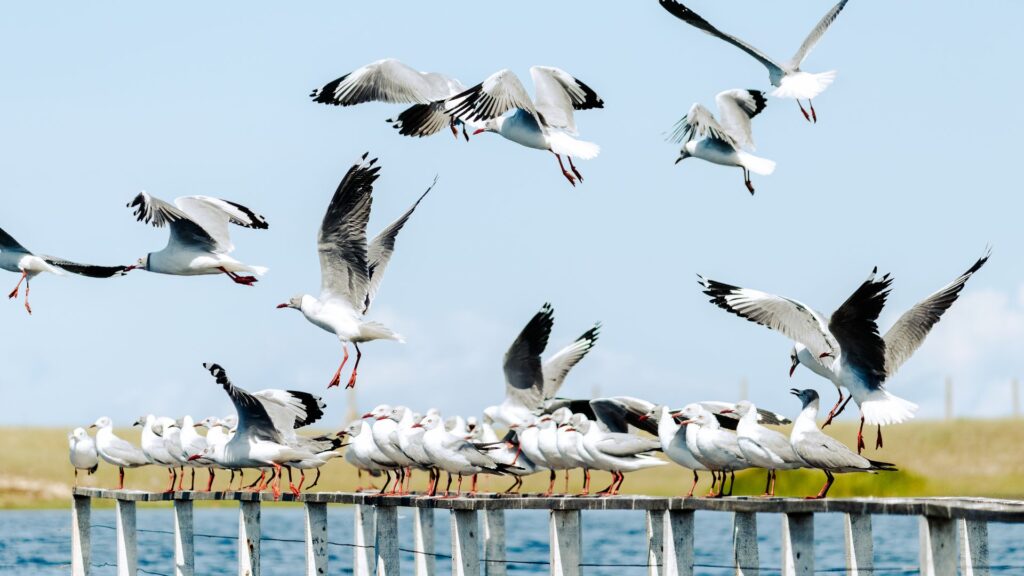
It might seem unlikely, but seabirds play a surprising role in keeping coral reefs healthy.
Their droppings, rich in nutrients like nitrogen and phosphorus, can wash into nearby waters, feeding algae and plankton that form the base of the marine food chain.
Studies have even shown that reefs near seabird colonies are more vibrant and productive. It’s one more way birds connect land and sea ecosystems.
A Natural Fertilizer Source

Bird poop, or guano, has long been considered “black gold” for agriculture.
Rich in nutrients, it’s a natural fertilizer that’s helped farmers grow food for centuries. Even in the wild, their droppings enrich the soil, supporting the growth of plants and helping entire landscapes flourish.
It’s a small act with far-reaching benefits, often quietly happening beneath our feet.
Shaping Landscapes Over Time

Birds don’t just move through nature—they shape it. By dispersing seeds, carving out nesting sites, and influencing which plants thrive where, birds help create and maintain the environments we depend on.
Over time, their actions can transform entire landscapes, encouraging the growth of forests, wetlands, and grasslands. They’re both travelers and gardeners of the natural world.
Beauty, Joy, and Meaning

Beyond the science, birds offer something deeply human: connection. Their songs bring peace, their colors spark wonder, and their presence reminds us we’re part of something bigger.
Across cultures, birds have inspired poems, myths, paintings, and quiet morning rituals. They enrich our lives in ways that can’t always be measured, but are always felt.
Birds Mean Business

Birds don’t just uplift ecosystems—they also support local communities. Birdwatching has become a major ecotourism draw, bringing visitors to natural areas and helping generate income for conservation and small businesses alike.
Additionally, bird droppings, especially guano, remain a valuable organic fertilizer in some regions. Whether through tourism or agriculture, birds quietly contribute to livelihoods around the world.
Good for the Soul

The simple act of listening to birdsong or watching a mother bird feeding her babies in a nearby tree can do wonders for our well-being.
Research shows that time spent in nature, especially around birds, can lower stress, improve mood, and even support cognitive function.
In a fast-paced world, birds invite us to pause, breathe, and reconnect with the rhythms of life.
What We Can Do to Help

Supporting birds doesn’t require major lifestyle changes—just thoughtful actions that help them thrive in an ever-changing world. These simple steps can make a real impact:
Plant native trees, flowers, and shrubs. These provide birds with natural food sources and shelter suited to their needs.
Avoid using pesticides or herbicides. Chemicals can harm both birds and the insects they rely on for food.
Keep cats indoors. Domestic cats are a major threat to birds, especially fledglings and ground-nesters.
Set up feeders, birdbaths, and nesting boxes. These offer vital support, especially during migration or in areas where resources are scarce.
Turn off outdoor lights during migration seasons. Artificial lights can disorient birds, causing collisions and exhausting detours.
Choose bird-friendly products like shade-grown coffee. These support farming practices that preserve bird habitats.
Support conservation organizations. Donations and volunteering help fund research, habitat protection, and rescue efforts.
Wings That Carry More Than Beauty

Birds are messengers of nature’s health and resilience. Their presence reflects a thriving, balanced ecosystem, while their absence warns us of deeper issues.
Supporting bird populations through conservation, habitat restoration, and mindful living means investing in the planet’s future. With small, intentional choices, we can help keep the skies alive and vibrant with wingbeats and song.
PetsFanatic Team
Pet Care Expert & Content Creator
Passionate about sharing knowledge and tips for better pet care. Writing about everything from pet health to training techniques.