
Biologist Discovers New Venomous Species after Spotting Blue Beach Animal
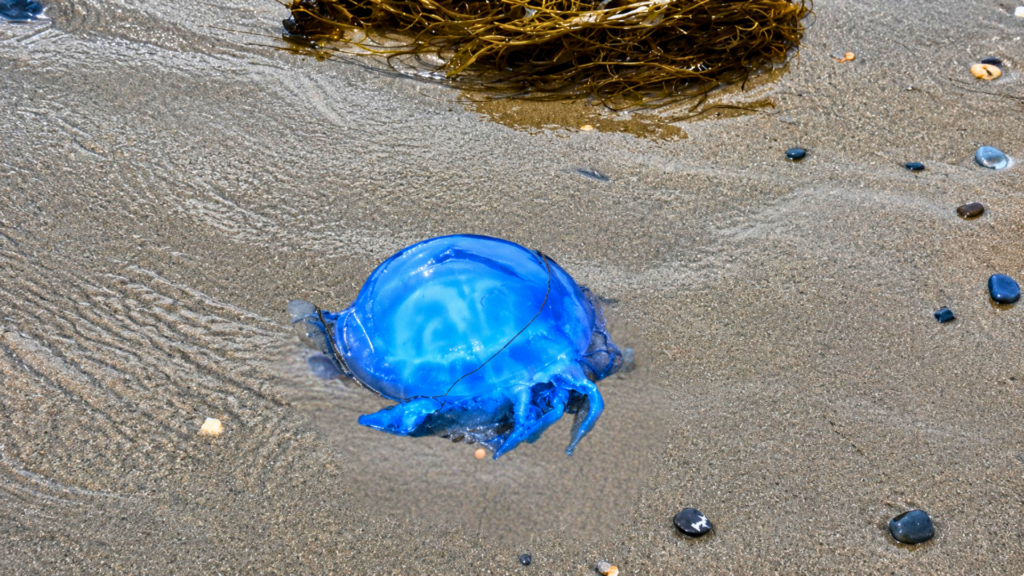
A routine shoreline walk on Gamo Beach in northeastern Japan unexpectedly uncovered a completely undocumented, highly venomous predatory marine animal. Biologists investigating the translucent, cobalt blue organism determined that it represents an entirely new species within the dreaded genus Physalia, commonly known as sea bladders or relatives of the Portuguese man of war. The surprise discovery confirms that dangerous, tropical climate predators are established much farther north than marine scientists previously believed possible.
A peer-reviewed scientific study validated the unique genetic identity of the marine predator

The formal authentication of this mysterious creature was published in the international scientific journal Frontiers in Marine Science. A student-led research team based at Tohoku University carefully subjected the recovered specimen to rigorous laboratory protocols, integrating advanced anatomical profiling with precise molecular DNA barcoding. By running comprehensive genetic assessments against known global marine databases, the academic institution successfully verified that the organism represents a distinct, newly cataloged evolutionary lineage.
The newly discovered creature belongs to a dangerous genus containing only four other global species

Prior to this discovery, marine biologists recognized only four distinct species of the venomous siphonophore genus Physalia across all global oceans. Siphonophores are complex, predatory colonies of genetically identical, specialized organisms working together as a single creature. The new specimen displayed unique physical traits, featuring a translucent gas float measuring up to 72 millimeters, which is roughly three inches long, paired with banana-shaped feeding polyps tipped in bright yellow.
The animal appeared in temperate northern waters where these deadly predators historically cannot survive
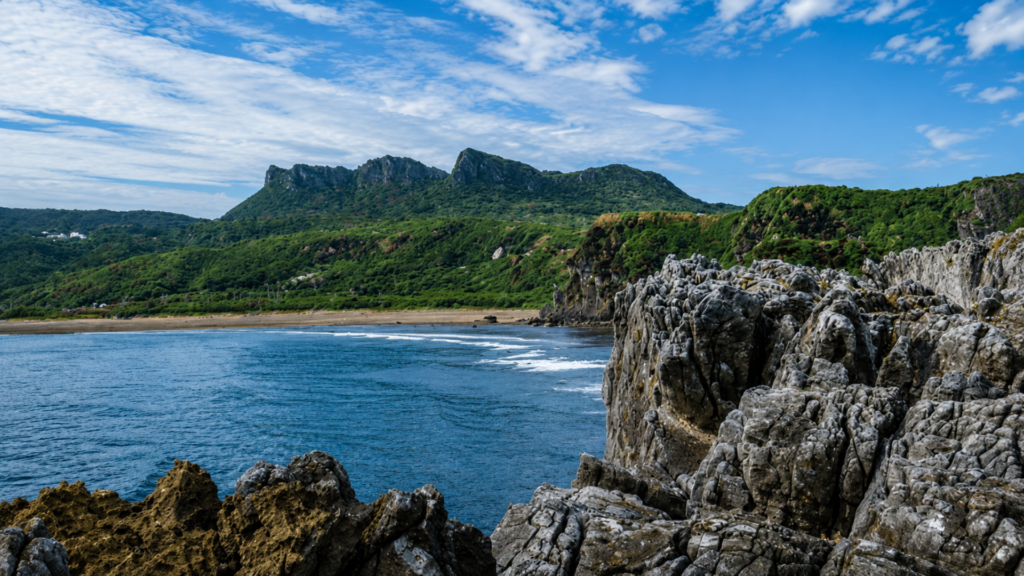
The geographical location of the discovery stunned the scientific community because Gamo Beach sits within a temperate climate zone. Tropical siphonophores typically depend on warm equatorial currents and have traditionally been restricted to the far southern subtropical waters of Japan near Okinawa. Finding an active, reproducing population of these highly venomous organisms in the chilly northern Tohoku region represents a drastic, unprecedented deviation from hundreds of years of documented marine baselines.
The discovery team tracked the organism back to international currents using oceanographic simulations
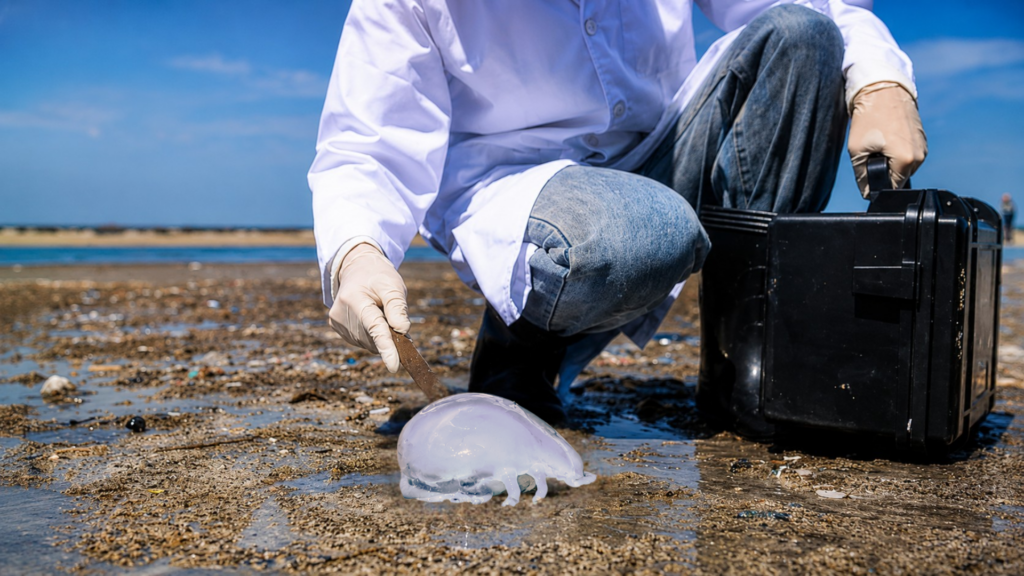
A university marine ecologist named Yoshiki Ochiai initiated the investigation after spotting the unusual blue mass while walking along the shore. He securely collected the live specimen inside a plastic storage bag, transporting it directly back to university laboratories via a motorized scooter. To understand how the tropical creature reached Sendai Bay, the academic team utilized sophisticated oceanographic computer software to model historical surface current movements along the Japanese coastline.
A university researcher confirmed the immediate thrill and deep scientific value of the encounter

“I was working on a completely different research project around Sendai Bay in the Tohoku region, when I came across this unique jellyfish I had never seen around here before. So I scooped it up, put it in a ziplock bag, hopped on my scooter, and brought it back to the lab!” The second author of the study, Yoshiki Ochiai, detailed the exact moment of the shoreline discovery during a formal academic press release issued by Tohoku University.
The newly cataloged venomous predator was named in honor of a legendary samurai warrior

The scientific community officially named the new species Physalia mikazuki to establish a permanent cultural link to the northeastern region of Japan. The specific epithet mikazuki translates directly to crescent moon, serving as a historic tribute to Date Masamune, the famous sixteenth-century feudal lord who founded the city of Sendai. The legendary warrior was globally recognized for wearing a striking, iconic combat helmet adorned with a massive crescent moon.
Advanced computer models indicate that climate change is actively shifting marine habitats northward

Oceanographic tracking data suggests that rapidly rising sea surface temperatures are driving a massive biogeographic shift across the Pacific Ocean. As global warming heats temperate coastal zones, the viable geographic range for dangerous, warm-water predators is expanding further toward the poles. This environmental disruption mirrors the historic proliferation of toxic Nomura jellyfish, which routinely clog Japanese commercial fishing nets and destabilize fragile northern marine food webs.
The arrival of venomous tropical predators introduces serious public health hazards to regional beaches

The unexpected northern migration of these stinging marine organisms introduces an immediate physical threat to ordinary beachgoers and local swimmers. Siphonophores trail lengthy, invisible tentacles loaded with potent neurotoxins that deliver excruciatingly painful, debilitating stings capable of causing severe allergic reactions. Because regional tourism boards in northern Japan have historically never managed these tropical hazards, coastal municipalities must now implement permanent warning signs.
The unexpected discovery serves as an opening chapter for tracking an altered Pacific ecosystem

Long after this initial samurai naming celebration fades, the presence of the crescent moon siphonophore will redefine the future of northern maritime monitoring. Marine researchers view this single beach encounter as a critical warning sign that the global ocean is changing faster than administrative safety protocols can adapt. The tracking of this venomous species represents the beginning of a larger, unpredictable transformation that will alter coastal safety for decades.
PetsFanatic Team
Pet Care Expert & Content Creator
Passionate about sharing knowledge and tips for better pet care. Writing about everything from pet health to training techniques.