
Authorities Intercept 50,000 Shark Fins in Large-Scale Trafficking Bust
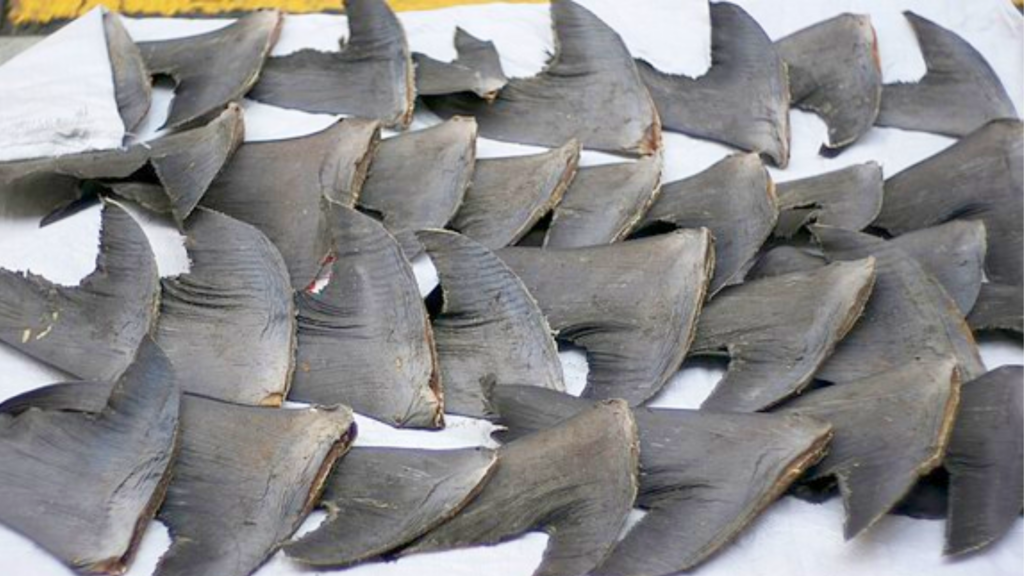
Authorities in the United States have intercepted approximately 50,000 dried shark fins in a major wildlife trafficking bust spanning multiple ports, marking one of the largest seizures of its kind in recent years. The fins, weighing over 1,600 pounds and valued at more than $1 million, were discovered across 20 separate shipments linked to an international smuggling network. Officials say the operation highlights the ongoing global demand for shark fins and the severe pressure it continues to place on vulnerable shark populations. The case is being described as a significant step in combating illegal wildlife trafficking.
A Massive Multi-Port Seizure

The seizure took place across several major U.S. ports, including locations in Alaska, Kentucky, and Ohio, as part of a coordinated enforcement effort. The first suspicious shipment was identified in Anchorage, which triggered a broader investigation that uncovered additional illegal cargo moving through other transit hubs. Authorities worked together across multiple regions to intercept the shipments before they could reach their final destination. This coordinated effort underscores the complexity of international wildlife trafficking operations.
Smugglers Used Deceptive Shipping Methods

Investigators revealed that the shipments were falsely labeled as car parts in an attempt to avoid detection during transit. This method is commonly used by traffickers to disguise illegal wildlife products and move them through global supply chains unnoticed. The deception allowed the shipments to travel across borders before being flagged by inspectors. Officials say uncovering these tactics is key to dismantling trafficking networks.
Linked to a Larger Global Network
Authorities determined that the seized shipments were part of a larger international trafficking network moving wildlife products from Mexico to Hong Kong. The scale and coordination of the operation suggest a well-organized system designed to exploit global demand for shark fins. Information from the case has been shared with international partners to support ongoing investigations abroad. This highlights the cross-border nature of wildlife crime.
Protected Shark Species Targeted

Many of the confiscated fins were identified as coming from silky sharks and bigeye thresher sharks, both of which are protected under international conservation agreements. These species are regulated under the Convention on International Trade in Endangered Species, which restricts their trade due to population declines. Targeting protected species adds another layer of severity to the trafficking case. The loss of these sharks can have serious ecological consequences.
Violations of U.S. Wildlife Laws

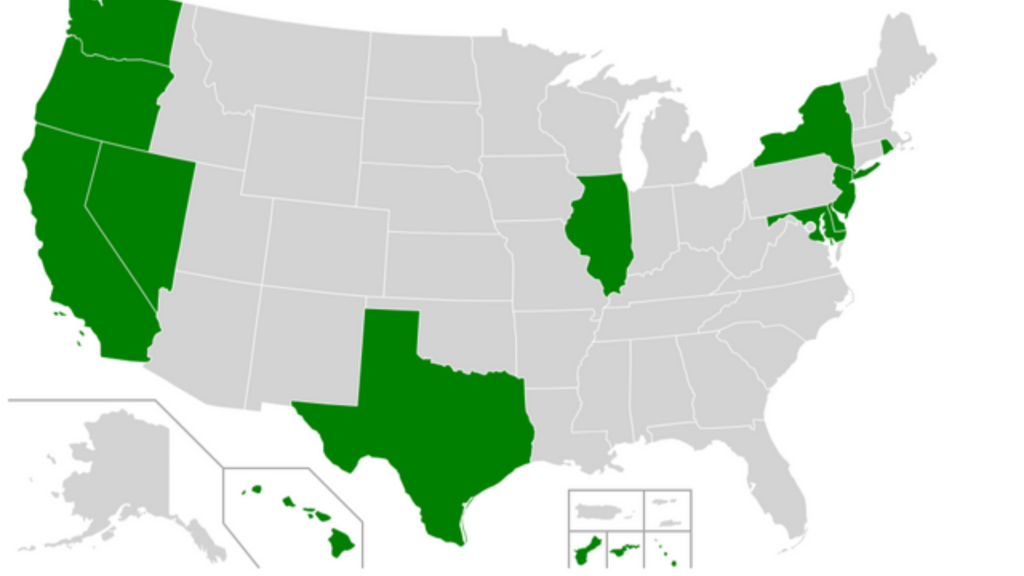
All shipments were seized due to multiple violations of U.S. wildlife protection laws, including restrictions on the import, export, and sale of shark fins. The Shark Fin Sales Elimination Act, which took effect in recent years, makes it illegal to possess or trade shark fins in most circumstances. These laws are designed to reduce demand and protect shark populations from overexploitation. Enforcement actions like this are critical to upholding those protections.
Why Shark Finning Remains a Global Problem

Despite international regulations, the global demand for shark fins continues to drive illegal fishing and trafficking. Shark finning, the practice of removing fins and discarding the rest of the animal, is widely condemned but still persists due to high market value. The trade is often fueled by demand for shark fin soup and other luxury products. This ongoing demand creates strong incentives for illegal activity.
Environmental Impact of Shark Population Loss

Sharks play a crucial role in maintaining healthy marine ecosystems as top predators that help regulate species balance in the ocean. A decline in shark populations can disrupt entire ecosystems, leading to cascading effects on fish populations and coral reefs. Because many shark species reproduce slowly, they are particularly vulnerable to overfishing and trafficking. The loss of sharks can have long-term environmental consequences
International Cooperation Is Key

Authorities have shared details of the case with international enforcement partners to help track down those responsible and prevent future trafficking attempts. Global cooperation is essential in combating wildlife crime, as these networks often operate across multiple countries and jurisdictions. Efforts like Operation Thunder aim to disrupt trafficking routes and strengthen enforcement worldwide. Continued collaboration will be necessary to address the scale of the problem
A Major Victory With Ongoing Challenges

The seizure of 50,000 shark fins represents a major victory for wildlife enforcement agencies, but it also highlights the scale and persistence of illegal trafficking networks. While authorities successfully intercepted these shipments, the global demand for shark fins continues to pose a serious threat to marine life. Ongoing enforcement, stronger regulations, and increased public awareness will be essential to protect vulnerable shark species. This case serves as both a warning and a call to action in the fight against wildlife crime
PetsFanatic Team
Pet Care Expert & Content Creator
Passionate about sharing knowledge and tips for better pet care. Writing about everything from pet health to training techniques.