
These Tiny Ants Could Deliver a Deadly Sting, and They’re Spreading to 22 States
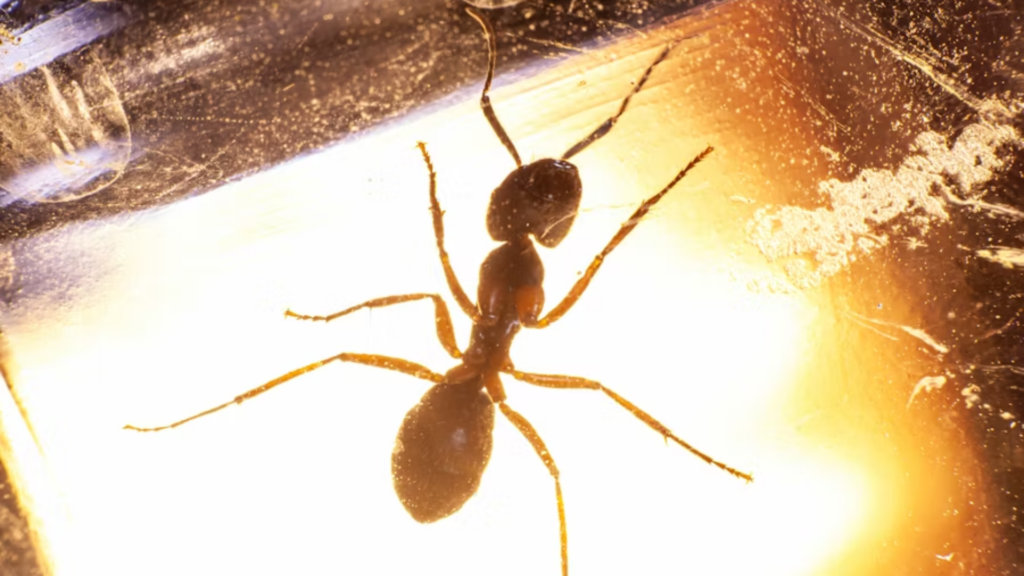
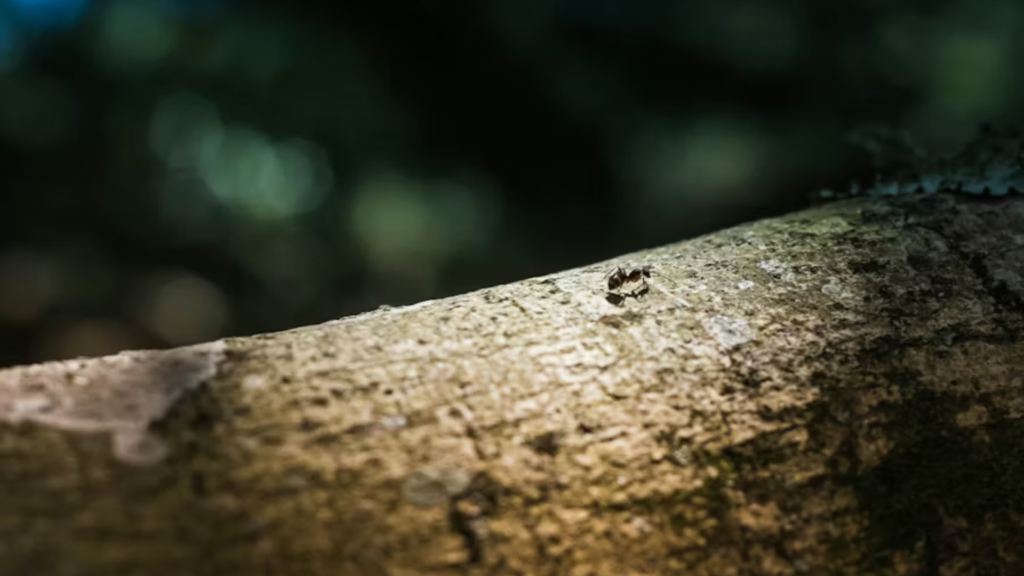
It is two-tenths of an inch long. It does not build visible ant hills. It hides in leaf litter, rotting logs, and the woodpiles in your backyard. And if you happen to be allergic to its sting, you may not find out until you are losing consciousness. The Asian needle ant has now been reported in 22 states, and experts say it is still spreading. Susan Simon of Georgia was stung three times in her garden. The third time, her family caught her as she collapsed. “You won’t know if you’re allergic to it,” she said, “until you’re stung.”
What This Ant Is and Where It Came From
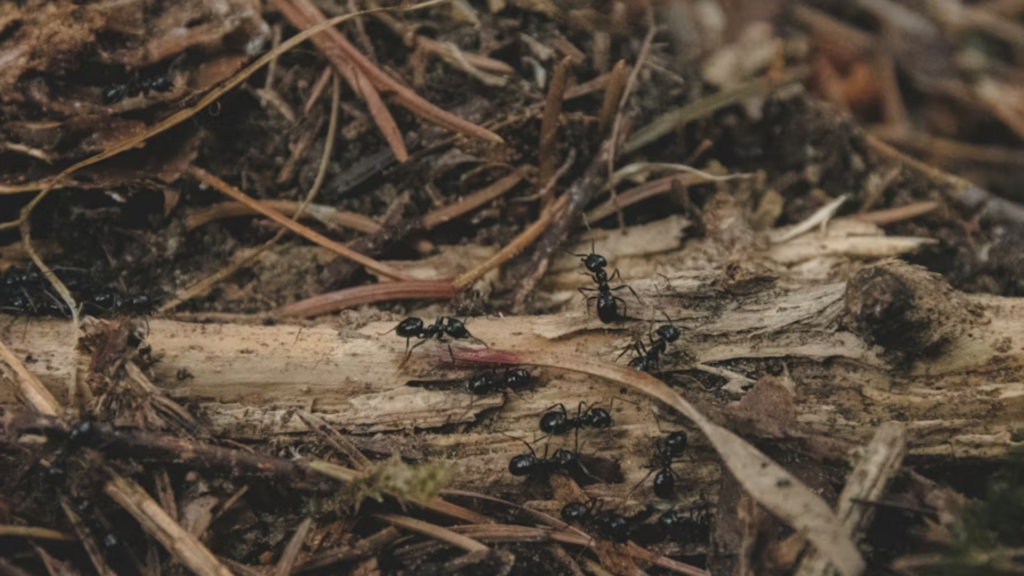
The Asian needle ant is an invasive species with no natural place in North American ecosystems. It originated in Asia and has been quietly expanding its range across the eastern United States for decades. Unlike fire ants, which build recognizable mounds and swarm aggressively, Asian needle ants are far less conspicuous. They nest in decomposing wood and forest debris, which makes them easy to encounter accidentally and difficult to spot in advance. According to James Vogt, an entomologist with the U.S. Forest Service, in infested areas the overwhelming likelihood is that any piece of wood you pick up will have Asian needle ants underneath it.
Twenty-Two States and Still Spreading
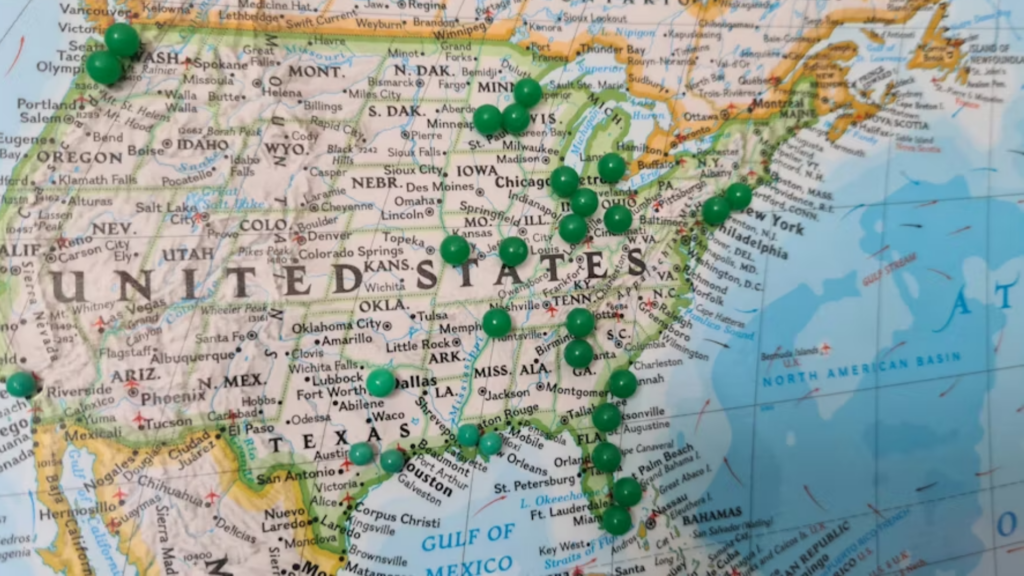
Sightings of the Asian needle ant have now been confirmed across 22 states, with the species showing a clear pattern of continued expansion into new territory. The ant has established nonnative populations across much of the eastern United States and is moving into states where it had not previously been documented. Scott Baker, a Virginia Cooperative Extension agent, noted that his region falls within the species’ acceptable habitat range, meaning local sightings could occur at any time. The ant’s ability to thrive in common backyard environments gives it a broad foothold in residential areas across a wide geographic range.
The Sting Feels Like Liquid Fire

Those who have been stung by Asian needle ants consistently describe the experience as significantly more painful than a typical ant sting. The venom is potent enough to cause immediate and intense localized pain, along with swelling and nausea in many cases. For people with sensitivities, the reaction can escalate rapidly to anaphylactic shock; a severe, whole-body allergic response that restricts breathing and can be fatal without immediate treatment. According to Scientific American, symptoms that warrant an emergency room visit include swelling of the lips or tongue, hives, and difficulty breathing. The terrifying part, as Simon noted, is that there is no way to know you are allergic until the first sting has already happened.
The Underground Ecosystem Nobody Talks About
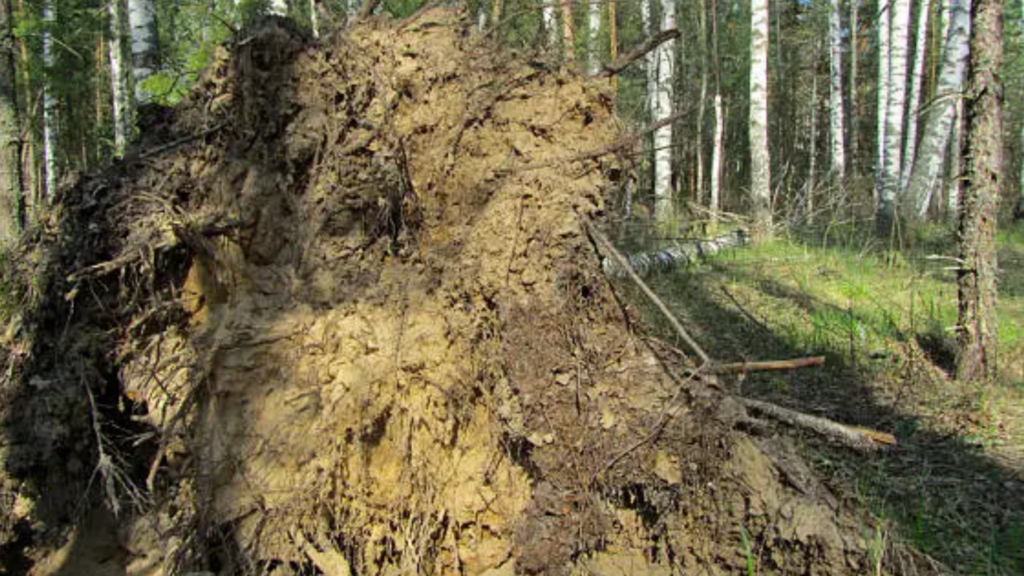
Beyond the immediate health risk, the Asian needle ant is waging a quieter war beneath the surface of American forests and gardens. Native ant species are not simply pests to be tolerated, they are foundational to the health of soil ecosystems. They aerate the ground, break down organic matter, distribute seeds of native plants, and regulate populations of other insects. When they disappear, the effects ripple through the entire ecosystem. A 10-year study conducted in Athens, Georgia, found that in areas overrun by Asian needle ants, 60 percent of native ant species were locally driven to extinction. That figure represents an ecological collapse that most people walking through those same forests would never see.
A War Being Fought Right Under Your Feet
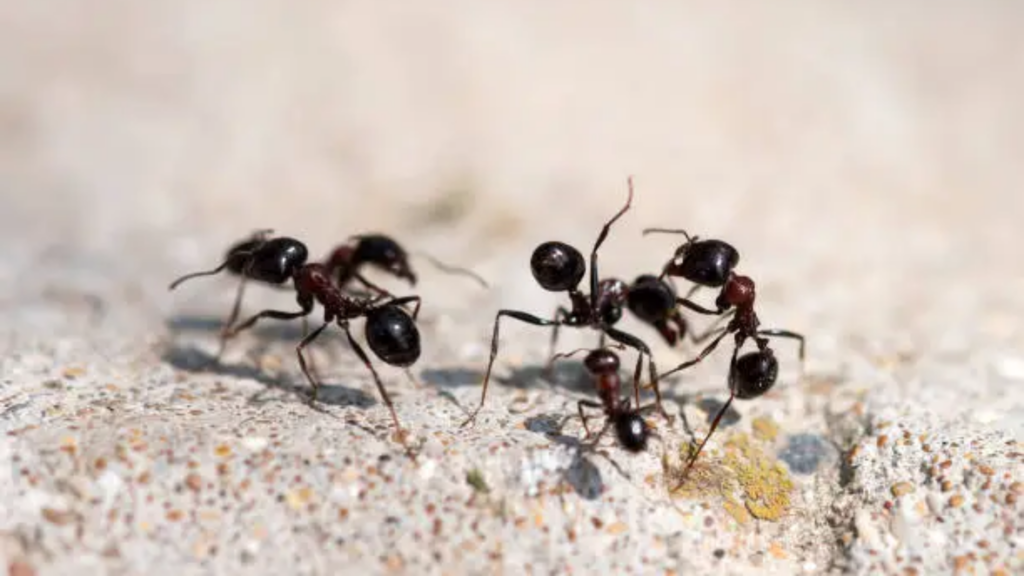
Vogt describes the dynamic between Asian needle ants and native species as a literal war happening beneath the ground. When Asian needle ants establish dominance in an area, domestic ant populations do not simply decline, they disappear. The invasive species outcompetes native ants for food, nesting sites, and territory with a consistency and completeness that researchers find alarming. The soil left behind is less healthy, less aerated, and less capable of supporting the plant life that depends on native ant activity. The visible forest above ground may look unchanged even as the biological infrastructure beneath it is being systematically dismantled.
What To Do If You Encounter Them
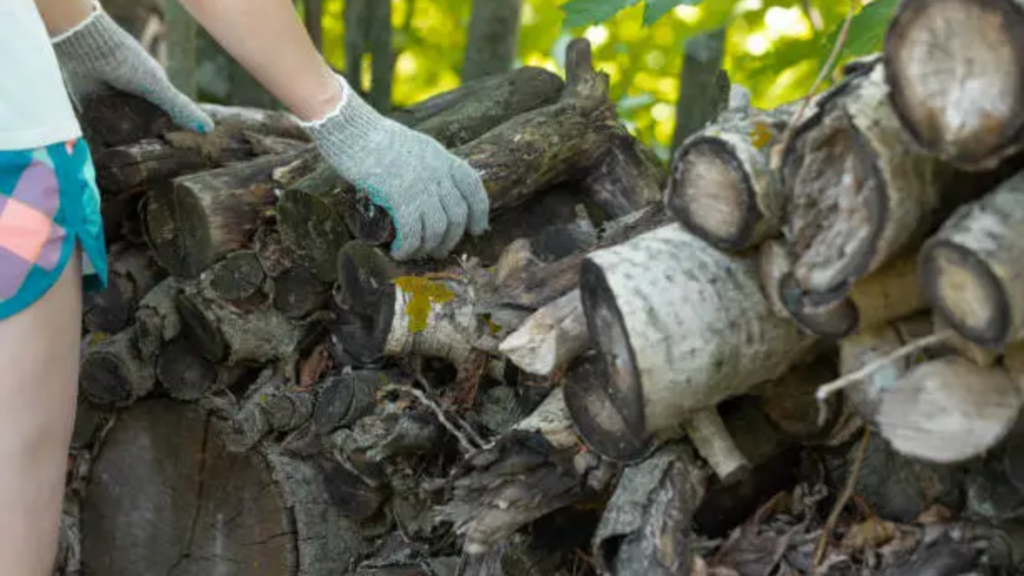
The consensus among experts is straightforward: leave them alone. Vogt said that when he encounters Asian needle ants outside, he simply walks away. Baker recommends that anyone working in wooded areas or clearing rotting wood wear gloves, pay close attention to their surroundings, and back away slowly if ants are spotted. The ants are not aggressive by nature and are unlikely to sting unless directly disturbed. The danger comes from accidental contact reaching into a woodpile, moving a log, or gardening near a hidden nest. Awareness and protective gear represent the most practical defenses available to the average homeowner.
The EpiPen Conversation You Should Have Before You Need It
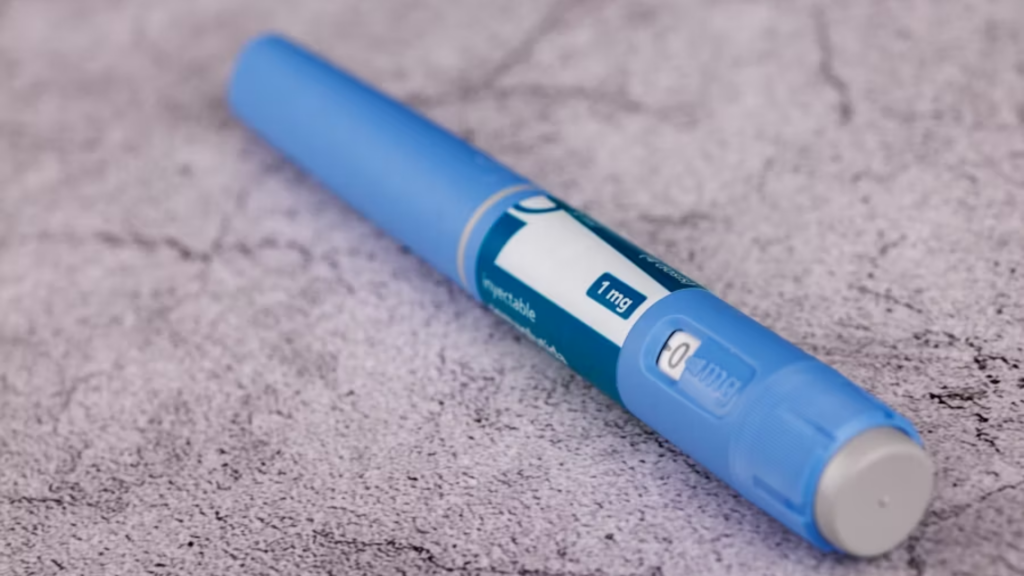
For anyone who already has known sensitivities to insect stings, the spread of the Asian needle ant makes one conversation with a doctor more urgent than it may have seemed previously. Vogt specifically recommends that sting-sensitive individuals consult their physicians about obtaining a prescription EpiPen, an epinephrine auto-injector that can counteract anaphylactic shock long enough to reach emergency care. Given that Asian needle ant stings are largely unpredictable in their severity and that encounters can happen in ordinary backyard settings, having an EpiPen accessible during outdoor activities is a precaution that could make a life-or-death difference.
What Homeowners Can Do Right Now
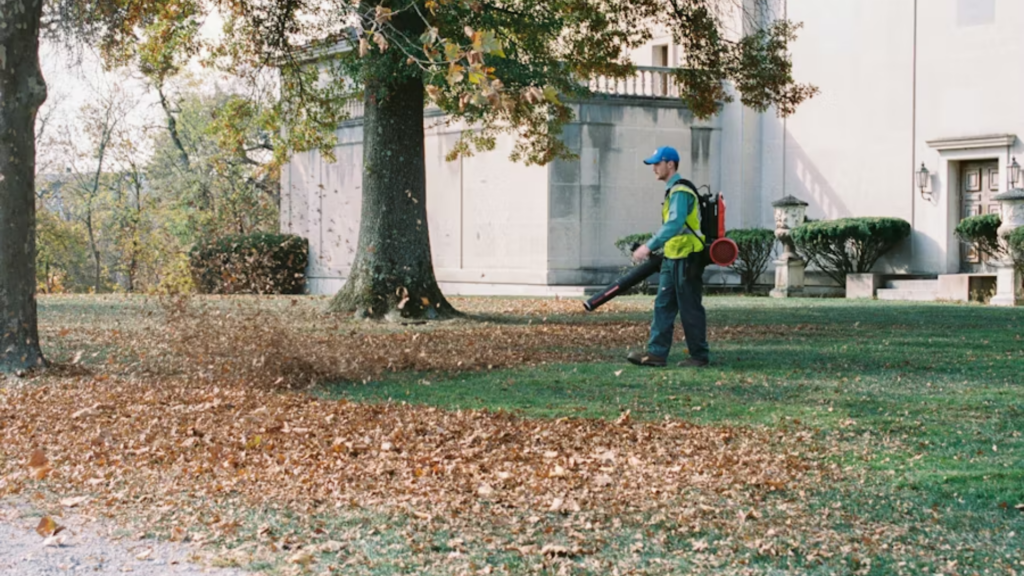
Pest control company Orkin has outlined practical steps homeowners can take to reduce the likelihood of Asian needle ants establishing nests near or inside their homes. Sealing entry points and fixing leaks removes access routes. Storing food in airtight containers eliminates interior attractions. Clearing leaf litter, mulch, and wood debris from around the home’s perimeter removes the nesting environments the species relies on most. Vogt also encourages anyone who believes they have spotted Asian needle ants to contact their local agricultural extension office rather than attempting to handle the situation independently. Documentation helps researchers track the spread more accurately.
A Tiny Ant With Consequences Much Larger Than Its Size
The Asian needle ant is not the most dramatic invasive species story in recent American environmental history. It does not swarm in massive visible colonies or destroy crops overnight. Its impact is quieter and in some ways more insidious, a near-invisible creature reshaping underground ecosystems across 22 states while occasionally delivering a sting that sends people to emergency rooms. The combination of ecological damage and personal health risk makes it worth paying attention to, especially for anyone who spends time outdoors in wooded areas. The experts’ advice is consistent and simple: if you see them, do not touch them, and walk the other way.
PetsFanatic Team
Pet Care Expert & Content Creator
Passionate about sharing knowledge and tips for better pet care. Writing about everything from pet health to training techniques.