
As Winters Shrink and Warm, Northern Lakes Face the Greatest Ecological Shifts
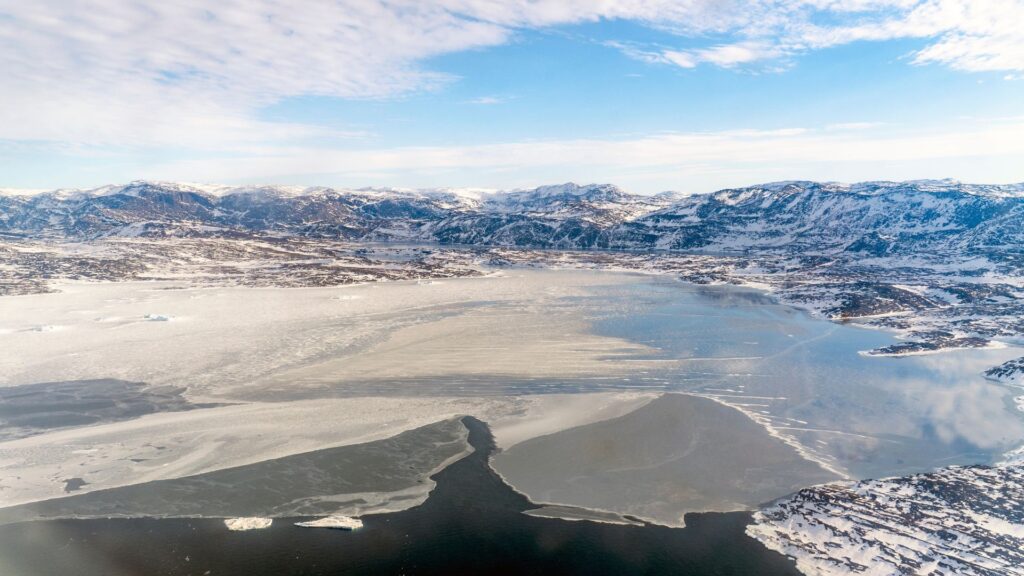
Climate change is rewriting winter across the coldest parts of our planet, and nowhere are the consequences more striking than in high-latitude freshwater lakes. These northern waters now freeze later, thaw sooner, and develop thinner ice each season. An international study published in Ecology Letters showed that Arctic lakes will experience the most dramatic ecological impacts as winter conditions continue to shift, followed by boreal and temperate lakes.
For decades, lake scientists treated winter as an ecological dead zone. Ted Ozersky, a University of Minnesota Duluth biologist who led the study, said the ecology of ice-covered lakes has been “a bit of a black box for lake scientists.” He noted that for a long time, researchers assumed nothing interesting happened under the ice, so few studies examined what goes on in frozen lakes. As ice cover declines, the winter ecology of lakes is gaining attention and urgency.
The collaborative effort brought together researchers from three nations, the United States, Norway, and Canada, each working on lakes across dramatically different latitudes. By combining their regional expertise, the team identified a latitude-dependent pattern. Their findings established a framework for predicting which lake ecosystems will change most dramatically as winters continue warming.
Sunlight Timing Creates an Arctic Vulnerability That Temperate Lakes Don’t Share

The study revealed a connection between when sunlight arrives and when lakes are frozen that scientists hadn’t recognized before. At 75 degrees north latitude, more than half of the year’s total solar energy arrives at Earth’s surface while lakes remain frozen. By comparison, at 45 degrees north, that figure is closer to 25 percent. This fundamental difference means even minor changes in ice duration or transparency can dramatically alter how much light penetrates northern water columns.
Amanda Poste, a co-author from the Norwegian Institute for Nature Research, worked in regions where lakes stay frozen deep into the midnight sun period. These Arctic waters experience 24 hours of continuous daylight while still covered in ice and snow. Poste noted that in these Arctic lakes, under-ice production can contribute substantially to lake food webs.
The researchers combined models tracking incoming sunlight across latitudes with realistic scenarios depicting snow depth and ice transparency. They examined how light interacts with lake temperature at different latitudes, recognizing that both illumination and warmth drive biological productivity. According to the researchers, understanding how these factors change is key to predicting shifts in lake food webs and ecosystem functioning.
Snow Cover and Ice Loss Push Arctic Lakes in Opposite Ecological Directions

Light availability in high-latitude lakes was far more sensitive to ice and snow changes than in temperate waters. The study found that climate change is increasing the seasonal overlap of light and warmth, particularly at high latitudes, enhancing the potential for plant growth and animal activity. However, the direction of change depends on whether lakes gain snow cover or lose ice during critical periods.
Predicted increases in snow accumulation across some Arctic regions could threaten under-ice biological production, Poste noted. Heavier snow blocks light from penetrating the ice, suppressing photosynthesis during the endless-daylight period when algae and other organisms would otherwise thrive. Conversely, ice loss during around-the-clock sunlight could dramatically boost open-water productivity by exposing the water column to uninterrupted illumination.
These opposing scenarios create uncertainty about specific outcomes, but both point toward significant changes at high latitudes. The study found that high-latitude lakes may undergo dramatic ecological shifts, including changes in productivity, food web dynamics, and the timing of biological events. Because light and temperature interact differently across latitudes, the exact trajectory will vary from region to region.
Winter Changes Under Ice Have Lasting Effects on Lake Ecosystems
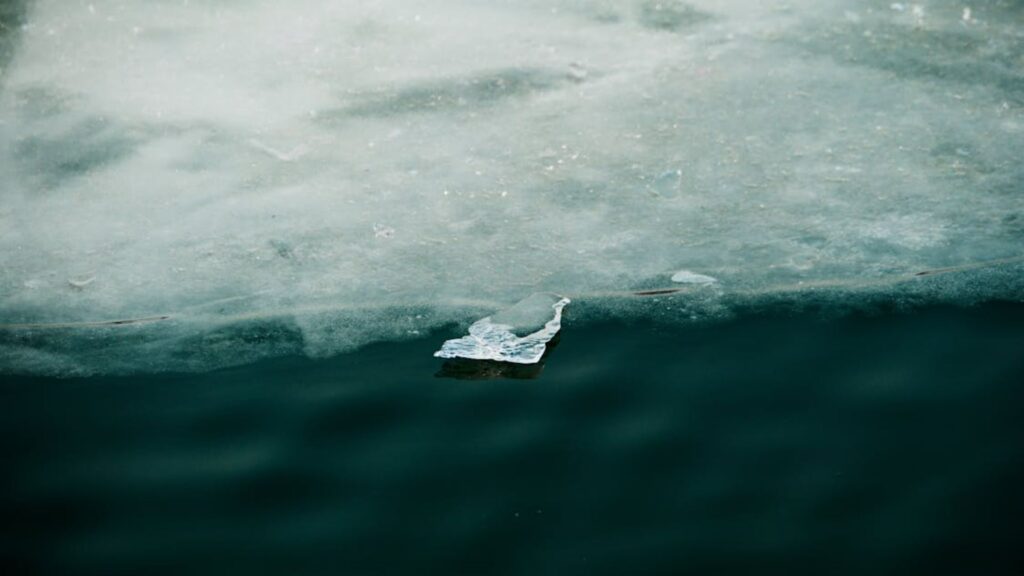
The study’s scope sets it apart from previous lake research focused on single landscapes. Ozersky noted that most winter lake projects zoom in on a single region. His collaboration included researchers working on waters from Minnesota to Boreal Québec to the high Arctic. By combining perspectives across such varied locations, the team revealed a consistent large-scale pattern linking latitude to ecological sensitivity.
The paper established testable predictions for future research and offered a framework for understanding how climate change affects lake ecosystems. The authors were collaborating with dozens of research groups worldwide to gather standardized observations from diverse ice-covered lakes. These measurements, including light profiles, snow and ice thickness, temperatures, and biological activity, will help test and refine the model’s predictions.
Winter plays a critical role in shaping lake ecosystems, and changes occurring during the ice-covered period can have powerful and lasting effects, especially in northern lakes. The study underscored that northern lakes face disproportionate impacts because so much annual sunlight arrives while ice still covers the water. The research team co-authored the Ecology Letters paper, with contributors including Ozersky, Poste, Milla Rautio from Université du Québec à Chicoutimi, and Eva Leu from Akvaplan-NIVA.
PetsFanatic Team
Pet Care Expert & Content Creator
Passionate about sharing knowledge and tips for better pet care. Writing about everything from pet health to training techniques.