
Arizona Officials Fear 250 Endangered Turtles Could Soon Lose Their Only US Habitat

Arizona wildlife officials are racing to protect one of the rarest turtle populations in North America after warnings that roughly 250 endangered Sonoyta mud turtles could lose their only remaining habitat in the United States. The turtles live exclusively in Quitobaquito Springs, a small desert oasis located within Organ Pipe Cactus National Monument near the U.S.-Mexico border. Officials fear declining water levels, prolonged drought, and environmental pressures could threaten the spring that has sustained the species for generations. The situation has prompted discussions about emergency rescue measures to prevent a potential conservation disaster.
Quitobaquito Springs Is the Turtle’s Last US Refuge

The Sonoyta mud turtle once occupied a broader range across parts of Arizona and northern Mexico, but its U.S. population is now confined entirely to Quitobaquito Springs. The spring is one of the few permanent water sources in the Sonoran Desert and supports a unique ecosystem found nowhere else in the country. Because the turtles have no alternative habitat in the United States, any major disruption to the spring could place the entire population at risk. Conservationists consider the site one of Arizona’s most ecologically significant locations.
Only About 250 Turtles Remain in the United States
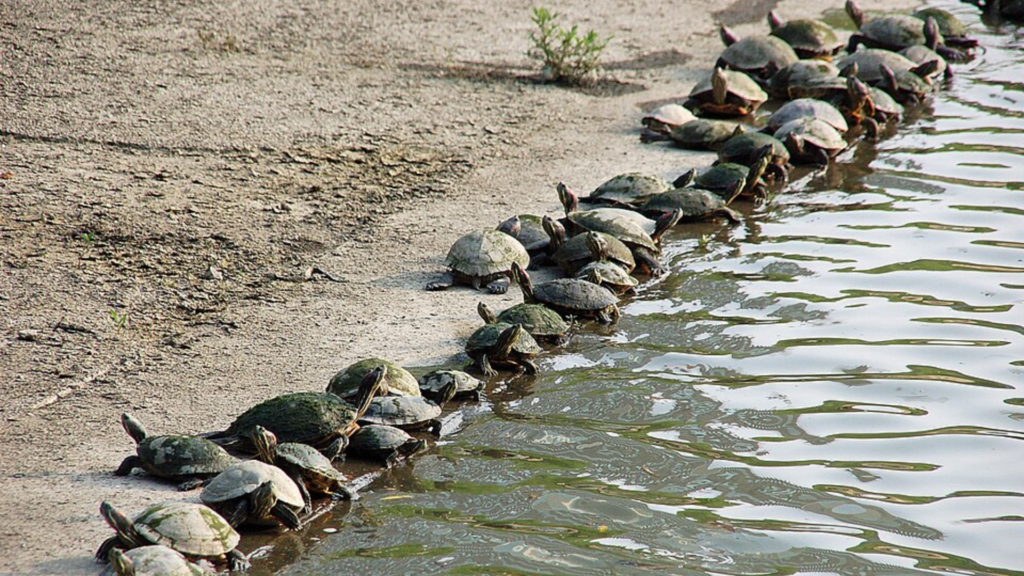
Wildlife experts estimate that approximately 250 Sonoyta mud turtles currently inhabit Quitobaquito Springs. Such a small population leaves the species vulnerable to environmental changes, disease outbreaks, and habitat degradation. Conservationists warn that even a modest decline in numbers could have serious consequences for the turtle’s long-term survival. The limited population also reduces genetic diversity, making recovery efforts more challenging.
Drought Conditions Are Increasing Pressure

Years of drought across the American Southwest have intensified concerns about water availability in the region. Higher temperatures and reduced rainfall have placed additional stress on fragile desert ecosystems, including Quitobaquito Springs. Scientists say climate change is contributing to more frequent and severe drought conditions, creating uncertainty about the spring’s future. Reduced water levels could directly affect breeding, feeding, and shelter opportunities for the turtles.
Officials Are Considering Emergency Rescue Plans

Arizona and federal wildlife managers are evaluating emergency measures to protect the turtles if conditions worsen. Potential options include temporarily relocating some animals, expanding captive breeding programs, or creating backup populations in protected environments. Any intervention would require careful planning to avoid additional stress on the species. Officials emphasize that rescue efforts would be considered only if habitat conditions deteriorate significantly.
The Species Is Already Federally Protected

The Sonoyta mud turtle is protected under federal conservation laws due to its limited range and declining numbers. These protections help regulate activities that could damage the species or its habitat. Wildlife agencies regularly monitor the population and habitat conditions to identify emerging threats. Despite these protections, environmental challenges continue to place pressure on the species’ survival.
Quitobaquito Springs Supports More Than Just Turtles

The spring serves as a critical habitat for numerous plants and animals beyond the Sonoyta mud turtle. Several rare fish, migratory birds, amphibians, and desert plant species depend on the oasis for survival. Scientists describe the area as a biodiversity hotspot within an otherwise arid landscape. Any decline in the spring’s health could have cascading effects throughout the ecosystem.
Border Region Water Concerns Add Complexity

Water management in the border region has become an increasingly complex issue. Conservation groups have previously expressed concerns about groundwater pumping and other activities that may affect water levels in sensitive desert habitats. While researchers continue studying the exact factors influencing Quitobaquito Springs, many agree that protecting the water source is essential for preserving the ecosystem. The debate highlights the broader challenges of balancing environmental protection with regional development needs.
Conservationists Hope Early Action Can Prevent Disaster

Wildlife experts believe proactive conservation efforts offer the best chance of protecting the Sonoyta mud turtle. Ongoing monitoring programs help scientists track water levels, turtle populations, and habitat health. By identifying threats early, managers can implement protective measures before conditions become critical. Conservationists argue that swift action now may prevent the need for more drastic interventions later.
The Future of a Rare Species Depends on One Desert Spring

The fate of approximately 250 Sonoyta mud turtles in the United States is tied entirely to the future of Quitobaquito Springs, a small but vital oasis in southern Arizona. As drought, environmental pressures, and water management concerns continue to challenge the region, officials are exploring ways to safeguard both the habitat and the species that depends on it. The turtle’s situation highlights how vulnerable isolated wildlife populations can become when their survival rests on a single location. For conservationists, protecting Quitobaquito Springs is not only about saving a turtle but also preserving one of the Southwest’s most unique desert ecosystems.
PetsFanatic Team
Pet Care Expert & Content Creator
Passionate about sharing knowledge and tips for better pet care. Writing about everything from pet health to training techniques.