
Arctic Fires Are Reshaping Wildlife Habitats, Researchers Warn
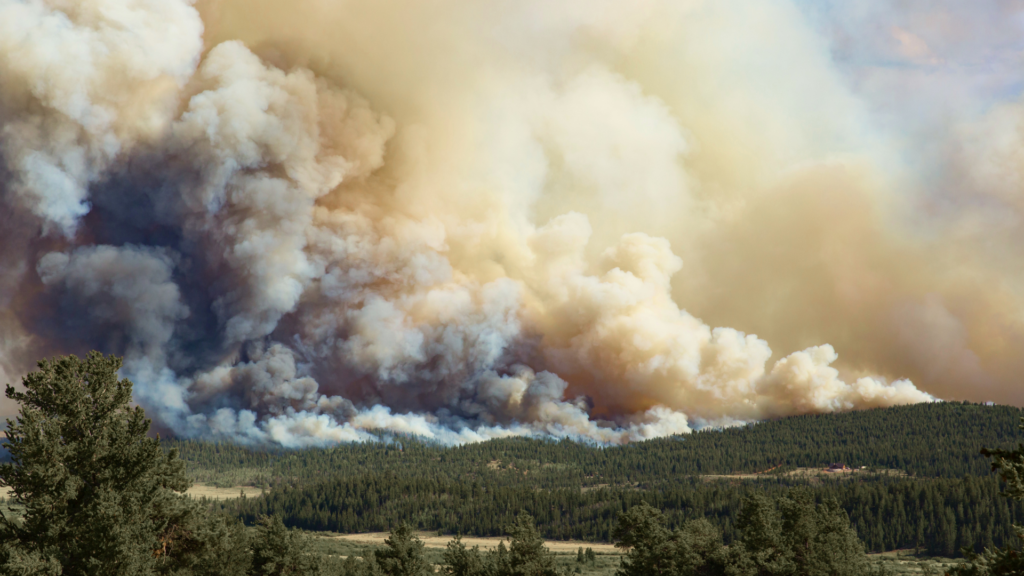
Wildfires are becoming more frequent and intense across the Arctic, and scientists warn that the consequences extend far beyond the flames themselves. New research suggests these fires are fundamentally altering wildlife habitats by changing vegetation, accelerating permafrost thaw, and reshaping the ecosystems that many Arctic species depend on for food and shelter.
Although fire has long been a natural part of some northern ecosystems, climate change is increasing the size, severity, and duration of Arctic fire seasons. Hotter temperatures, drier conditions, and longer snow-free periods are allowing fires to spread into areas that historically burned only rarely, exposing wildlife to rapidly changing environments.
Researchers say these shifts could have long-lasting effects on Arctic biodiversity. As landscapes recover differently after major fires, animals may be forced to relocate, alter migration routes, or compete for shrinking habitat, creating ripple effects throughout the region’s fragile ecosystems.
Fires Are Transforming Arctic Landscapes
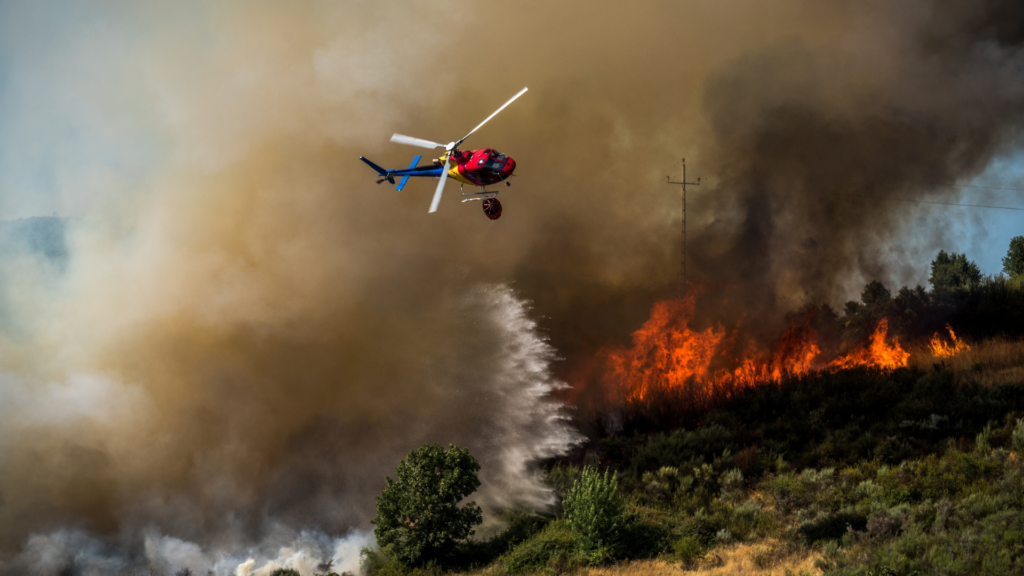
The study found that severe Arctic fires can dramatically change the structure of the landscape for years or even decades. Fires remove insulating vegetation and organic soil layers that normally protect frozen ground, allowing sunlight to penetrate deeper into the soil and accelerating permafrost thaw. As permanently frozen ground melts, the terrain can become unstable, altering wetlands, streams, and plant communities that support local wildlife.
Vegetation changes following fires can also reshape food availability for many Arctic animals. Some plant species recover quickly while others decline, creating winners and losers among herbivores and the predators that depend on them. Species adapted to open tundra may lose habitat as shrubs expand into previously treeless areas, while others may benefit from newly emerging vegetation. Researchers emphasize that these ecological shifts can persist long after the flames are extinguished.
Scientists also note that Arctic ecosystems recover much more slowly than forests in warmer climates. Because cold temperatures limit plant growth, burned habitats may require decades to return to their previous condition, leaving wildlife to adapt to an entirely different landscape in the meantime.
Wildlife Faces New Challenges in a Changing Arctic
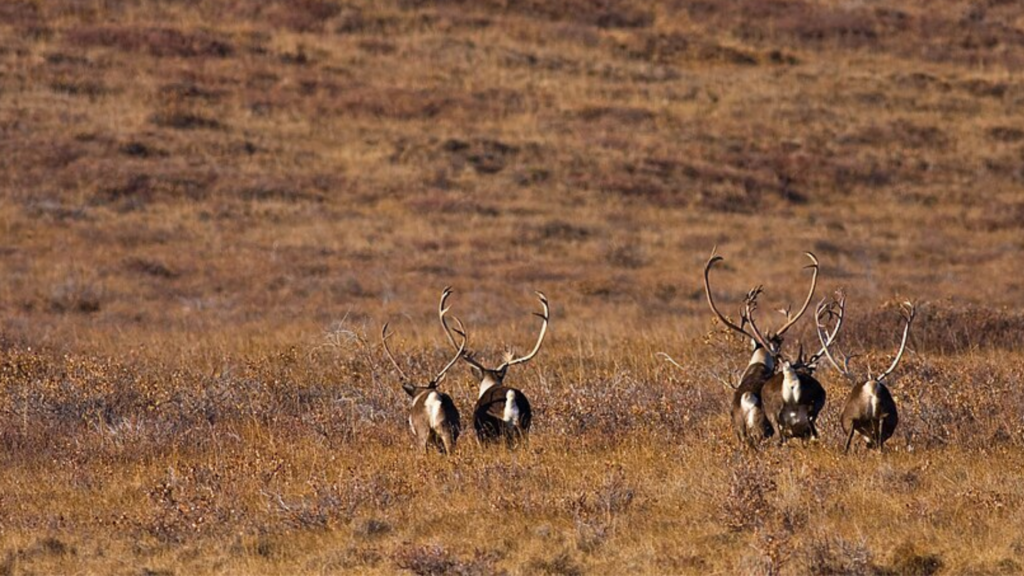
As habitats change, Arctic wildlife must respond to shifting food supplies, altered migration corridors, and new predator-prey relationships. Herbivores such as caribou and musk oxen may find fewer of the lichens and native plants they rely on after intense fires, while birds and small mammals could lose nesting or shelter areas until vegetation recovers. These changes can affect entire food webs, influencing predators as well as prey.
Researchers warn that increasing wildfire activity adds another layer of stress to Arctic species already coping with warming temperatures, shrinking sea ice, and changing seasonal patterns. Rather than acting as isolated events, fires interact with other climate-driven changes, making it more difficult for ecosystems to recover and maintain their natural balance.
The findings underscore the importance of continued monitoring across the Arctic. By tracking post-fire recovery, vegetation changes, and wildlife movements, scientists hope to better understand how northern ecosystems are adapting and identify conservation strategies that can help protect vulnerable species as the region continues to warm.
Protecting Arctic Wildlife Means Understanding the Lasting Effects of Fire
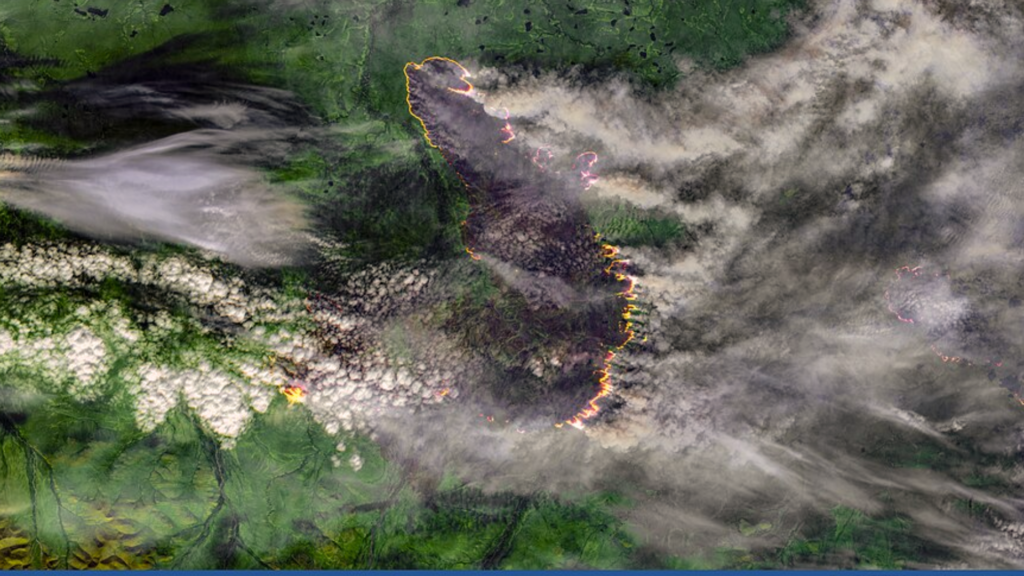
The new research highlights that Arctic wildfires are not simply temporary disturbances but powerful forces capable of reshaping habitats for years to come. As fires become larger and more frequent, their effects on vegetation, permafrost, and water systems are likely to influence where wildlife can live and how Arctic ecosystems function.
Scientists say understanding these long-term changes will be essential for protecting biodiversity in one of the world’s fastest-warming regions. Continued research can help identify which species are most vulnerable, how habitats are evolving, and what conservation measures may be needed as fire becomes an increasingly common feature of the Arctic landscape.
While wildfire is a natural ecological process, climate change is altering its frequency and intensity in ways that Arctic ecosystems have not historically experienced. Researchers warn that addressing the broader drivers of warming, alongside careful monitoring of post-fire recovery, will be critical to preserving Arctic wildlife and the unique habitats on which it depends.
PetsFanatic Team
Pet Care Expert & Content Creator
Passionate about sharing knowledge and tips for better pet care. Writing about everything from pet health to training techniques.