
Archeologists Discover Viking Treasure Hidden Under the Floorboards of a Small House
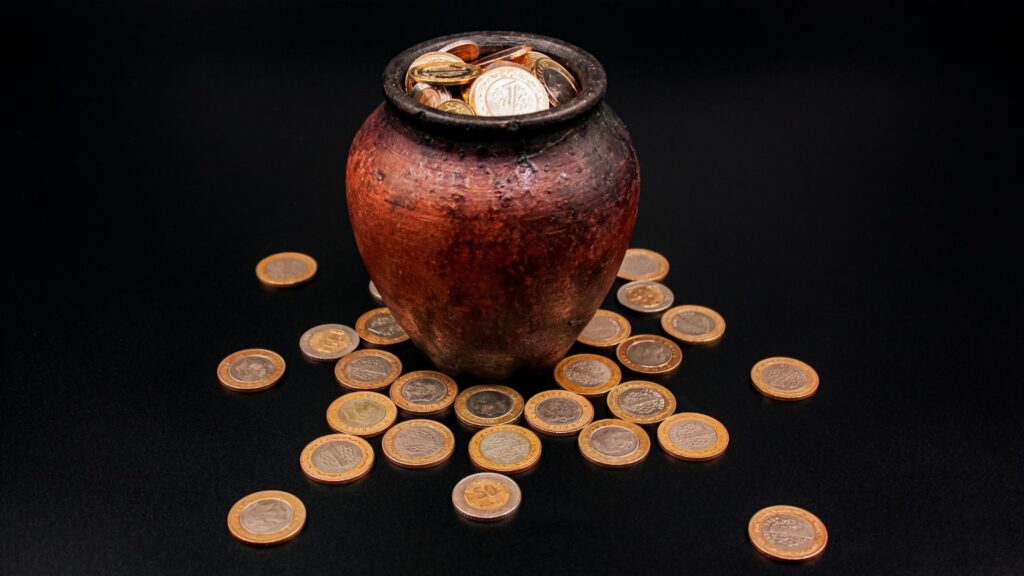
On a quiet farm tucked into Norway’s mountains, everyday work paused for a careful check beneath the ground. The land had carried generations of farming, so a planned tractor road brought archaeologists onto the property. Their job started as a precaution, and it felt routine at first. Then the soil under a small house began to suggest a much older story waiting just below the surface.
As the team lifted floorboards inside the structure, their focus stayed narrow and methodical. At first glance, the objects beneath looked ordinary, almost like discarded metal from past farm use. Then their weight and shape told a different story. Four silver bracelets sat together, heavy and decorated, resting exactly where someone placed them more than a thousand years ago. That moment shifted the dig from routine to something far more revealing.
From there, the setting around the find began to matter more with every step. The house appeared tied to a larger Viking farm that once controlled access to a nearby fjord. Tools, household items, and signs of daily life surfaced around the site, pointing to people who lived, worked, and prepared for uncertain times. And so the silver under those floorboards opened a narrow window into a moment of fear, movement, and careful decision-making during the Viking Age.
A Viking Farm That Once Controlled the Fjord
The silver bracelets didn’t sit in isolation, so the land around them started to speak just as clearly. Archaeologists traced the house to a much larger Viking farm that once stood above the fjord near Årdal. From that position, the farm overlooked the narrow entry into the waterway. That placement suggests the owners watched movement along the fjord as part of daily life.
From there, the excavation widened to nearby structures and open ground. Researchers identified signs of multiple buildings along with space used for animals. Everyday objects surfaced as the soil came away, including soapstone pots, rivets, knife blades, and whetstones. Each item pointed toward routine work that supported a busy household tied to trade and travel.
As attention stayed on the ground layers, evidence hinted at sudden disruption. Burn marks and damaged remains suggest the farm may have suffered arson during a period of unrest in Viking Norway. That history helps explain why valuables ended up hidden inside a modest building rather than a central hall. And so the farm shifts from a simple rural site into a place shaped by movement, control, and sudden decisions made under pressure.
Why Viking Silver Came From Far Beyond Norway

Silver held everyday value for Viking communities, so its presence always hints at wider movement. Norway had no silver mines during the Viking Age, so any silver on a farm had already traveled a long way. That reality ties even a remote mountain settlement to routes that stretched across Europe and beyond. From there, silver became a common medium for exchange rather than a rare display item.
As travel expanded, silver flowed through trade, gifts, and raids. Viking traders moved through river systems and coastal routes, carrying goods that linked distant regions. Over time, silver replaced gold in many transactions because it fit better with those trading patterns. That habit explains why bracelets, coins, and jewelry appear in everyday settings rather than royal hoards.
From that pattern, the bracelets found under the floorboards gain more context. Each piece reflects contact with other cultures and economies far from Norway’s borders. That connection helps explain why silver sat carefully hidden in a small house instead of a grand structure. The metal already carried value shaped by distance, movement, and exchange long before it reached the fjord farm.
What the Silver Under the Floorboards Leaves Behind

The bracelets now sit in a museum, yet the ground where they rested still carries meaning. That quiet house on a Norwegian farm shows how everyday spaces once held moments of urgency and choice. From there, the story moves past the objects themselves and settles on the people who handled them last. Someone bent down, chose a hiding place, and trusted time to keep the secret.
From that moment, the find connects modern routines to older ones. A farmer planned a road, archaeologists checked the soil, and history surfaced without warning. That chain of events shows how the past often appears during ordinary decisions. Each careful step uncovers how closely daily life and long memory can sit together.
So the silver invites a slower look at familiar ground. Farms, houses, and tools carry layers that rarely announce themselves. Paying attention to what sits beneath our feet can change how we see places we pass every day. That awareness keeps the past close, not as a general idea, but as something still present in the land around us.
PetsFanatic Team
Pet Care Expert & Content Creator
Passionate about sharing knowledge and tips for better pet care. Writing about everything from pet health to training techniques.