
Archaeologists Unearth a 5,000 Year Old Treasure-Filled Tomb

A recently uncovered megalithic structure in Málaga, Spain, has captured international attention. Dating back 5,000 years, the stone-built tomb is not only a remarkable example of prehistoric engineering but also a cultural time capsule. Archaeologists believe it will transform our understanding of life, death, and society in the Iberian Peninsula during the third millennium B.C.E.
A Monument Hidden in the Landscape

The newly discovered dolmen stretches an astonishing 42 feet in length. Its size immediately sets it apart as one of the most monumental tombs in southern Spain, suggesting the people who built it intended to leave a visible and lasting mark on their environment.
Remarkable Preservation

What makes this tomb especially significant is its pristine state of conservation. Unlike many prehistoric monuments damaged over centuries, this dolmen has survived with most of its structure intact. Archaeologists now have a rare opportunity to study a megalithic site in near-original condition.
Intricate Design and Structure

The architecture of the dolmen demonstrates both ambition and planning. Upright orthostat slabs, some rising more than six feet, divide the tomb into distinct chambers. These compartments were carefully arranged, pointing to a deliberate design that served spiritual as well as practical purposes.
The Treasures Within

Inside the chambers, archaeologists found an impressive array of grave goods. The artifacts range from exotic materials like ivory and amber to symbolic items such as seashells and finely crafted flint tools. Among the most striking discoveries was a halberd, an axe-like weapon that reveals the sophistication of local craftsmanship.
A Collective Resting Place

Evidence suggests the dolmen functioned as a collective burial site rather than a tomb for a single leader. Multiple ossuaries, or bone chambers, indicate that members of the same community were buried together over time. This reinforces the theory that such structures were both sacred and communal.
Protection Through Engineering

The builders went to great lengths to safeguard the site. Large horizontal slabs once covered the chambers, and above them, a tumulus made of sand and stones was constructed. This mound protected the tomb from erosion while ensuring it stood out as a significant landmark in the surrounding landscape.
Echoes of Trade and Exchange
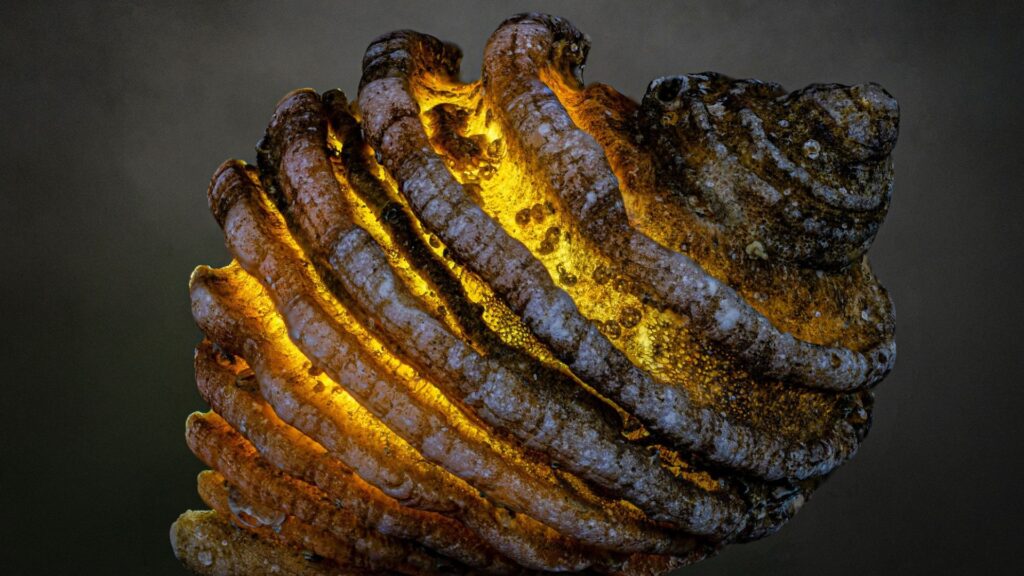
The discovery of seashells within the tomb, despite its inland location, provides strong evidence of long-distance exchange networks. These items would have carried symbolic value, reflecting the sea’s prestige in prehistoric societies and the connections that linked inland communities to coastal areas.
Understanding Ancient Beliefs

The care put into the design, the choice of materials, and the deliberate placement of artifacts suggest strong ritual and symbolic motivations. The dolmen not only honored the dead but also reflected how these communities viewed life, death, and their place within the natural world.
A Global Tradition of Megaliths

Dolmens are not exclusive to Spain. Similar monuments exist across Europe and Asia, each serving unique purposes: as tombs, ritual spaces, or territorial markers. Spain’s Dolmen of Guadalperal and England’s Arthur’s Stone are among the most famous examples, connecting this Málaga site to a wider prehistoric tradition.
A Window Into Prehistory

Every new excavation reveals more about the people who lived five millennia ago. This dolmen, with its extraordinary preservation and wealth of artifacts, offers a detailed look into their customs, technology, and worldview. Researchers are confident that continued study will deepen our understanding of how early societies organized themselves and honored their ancestors.
The Legacy of Stone

In the end, the Málaga tomb is more than an archaeological site, it is a message carved in stone, carrying the voices of a community that lived 5,000 years ago. Its survival reminds us that human creativity and reverence for the past can transcend millennia, leaving behind monuments that continue to inspire awe and curiosity today.
PetsFanatic Team
Pet Care Expert & Content Creator
Passionate about sharing knowledge and tips for better pet care. Writing about everything from pet health to training techniques.