
Archaeologists Stunned After Garden Dig Uncovers 2,200-Year-Old Roman Camp
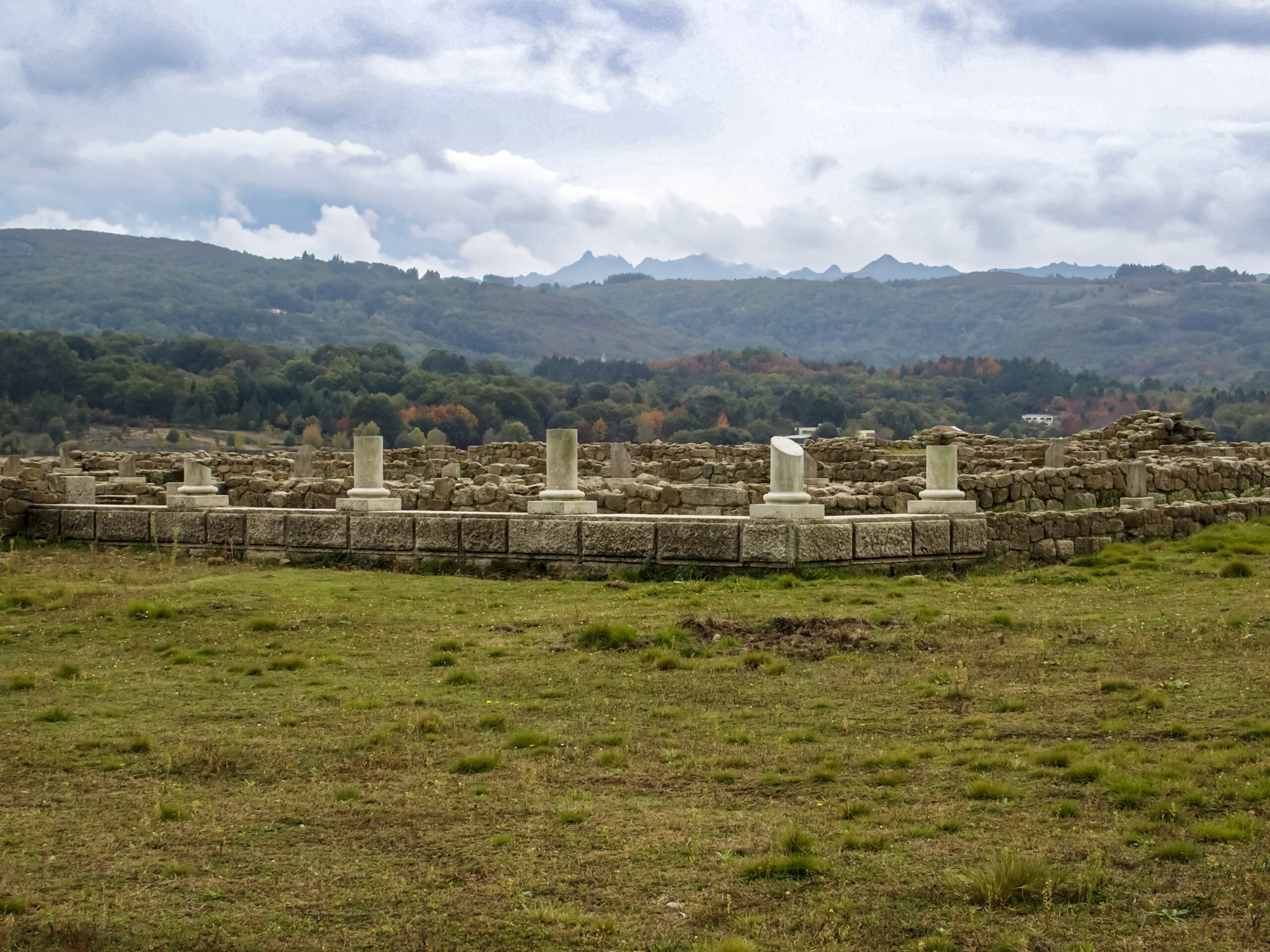
Imagine digging in a quiet garden and uncovering an entire chapter of ancient history. That’s exactly what happened in Frankfurt, where routine renovation work beneath a palace garden revealed something, no one expected—a 2,200-year-old Roman military camp hidden just below the surface. This wasn’t a small find. It was a turning point.
Archaeologists working near the Bolongaro Palace uncovered the remains of what experts now believe to be the first Roman presence in the region. The discovery immediately stood out because of where it was found. This wasn’t a remote ruin or a known site. It sat beneath a developed urban area, hidden in plain sight for centuries.
Finds like this rarely happen in densely built cities. That’s what makes this discovery so striking—it shows how much history still lies buried beneath modern life, waiting for the right moment to resurface.
What the Camp Revealed About Early Romans
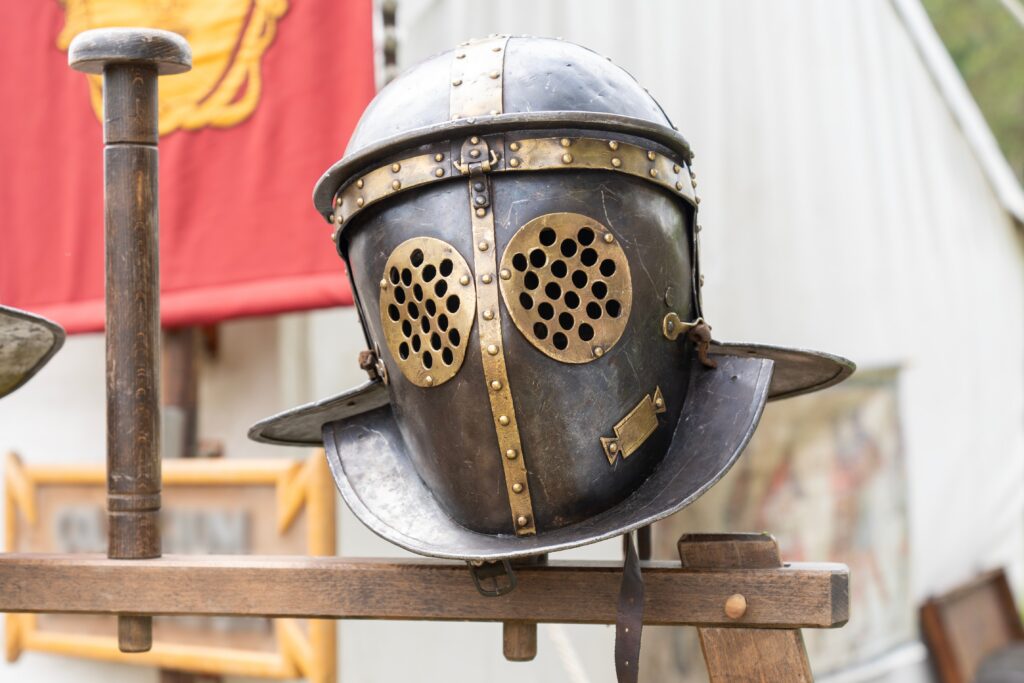
The camp itself tells a story far more complex than expected. Artifacts recovered from the site include coins from across Europe and finely made ceramics, suggesting that this wasn’t a temporary outpost. It was a functioning settlement with structure and purpose. That alone changes how historians view the area.
Experts believe the camp dates back to around the time of Emperor Augustus, when Rome expanded deeper into Europe. Unlike many short-lived camps from that era, this one appears to have been occupied for several years. That makes it unusually well-preserved—and far more informative.
Even more surprising is what wasn’t found. There are no clear signs of violent conflict or destruction at the site. Instead, evidence points toward interaction between Roman soldiers and local populations—possibly even cooperation. That challenges long-standing assumptions about how Rome expanded into this region.
A Discovery That Challenges What We Thought We Knew
For decades, the story of Rome’s expansion into Germany has centered on conflict. Battles, resistance, and military domination shaped how most people understood this period. But this discovery paints a different picture—one that feels less like conquest and more like contact. That shift matters.
Researchers now believe the early Roman presence in Frankfurt may have involved more peaceful coexistence than previously thought. Artifacts, food remains, and local pottery all suggest exchange rather than destruction. It hints at a relationship that included trade, shared resources, and cultural overlap.
Other discoveries in the region reinforce how complex Roman life was. Nearby finds include burial sites and even religious sanctuaries that point to rituals, daily life, and evolving communities over time. Taken together, these discoveries suggest the region wasn’t just a battlefield—it was a place where cultures met and adapted.
Why This Changes More Than Just One City’s History

This discovery doesn’t just reshape Frankfurt’s past—it reshapes how we think about history itself. A single excavation has revealed that early Roman expansion may not have followed one simple pattern. Instead of constant conflict, there were moments of stability, cooperation, and shared development. That’s a much more complicated story.
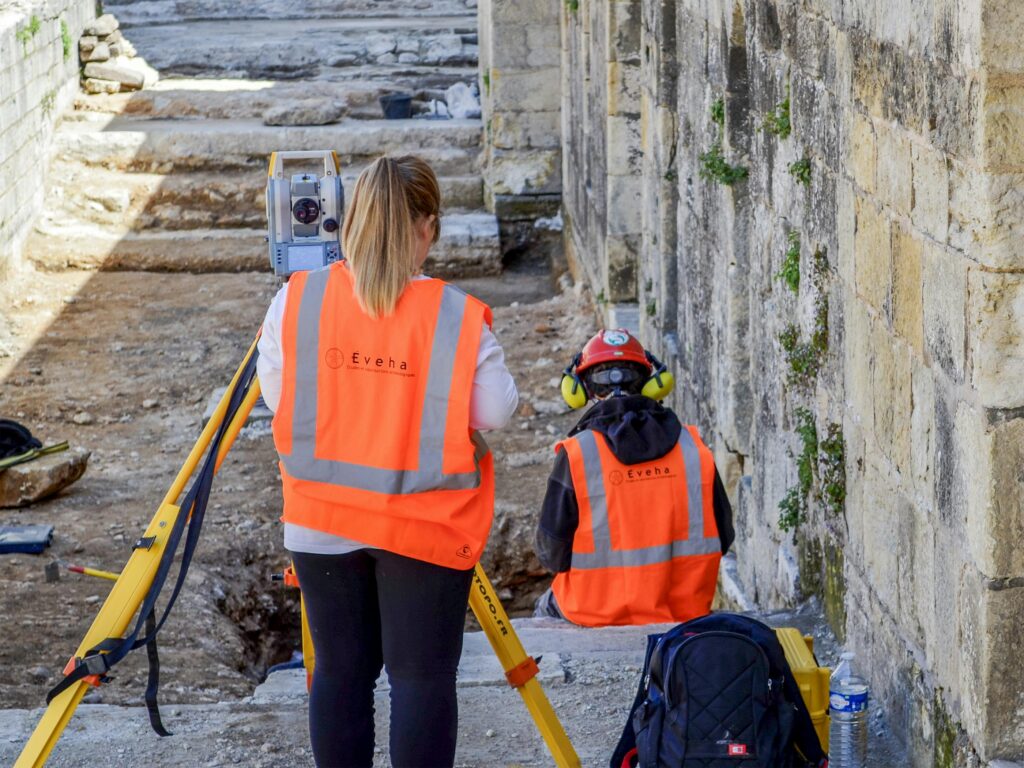
And the work is just beginning. Archaeologists plan to study the site in greater detail, using advanced techniques to understand how the camp functioned, who lived there, and how long it remained active. Each new layer could reshape what we know about ancient Europe.
The biggest takeaway isn’t just what was found—it’s what it represents. History isn’t fixed. It evolves with every discovery, especially the ones hidden beneath places we think we already understand. Because sometimes, the most important pieces of the past aren’t lost in distant lands. They’re sitting quietly beneath our feet, waiting to be uncovered.
PetsFanatic Team
Pet Care Expert & Content Creator
Passionate about sharing knowledge and tips for better pet care. Writing about everything from pet health to training techniques.