
Archaeologists Say This Human Structure Predates the Pyramids by Thousands of Years
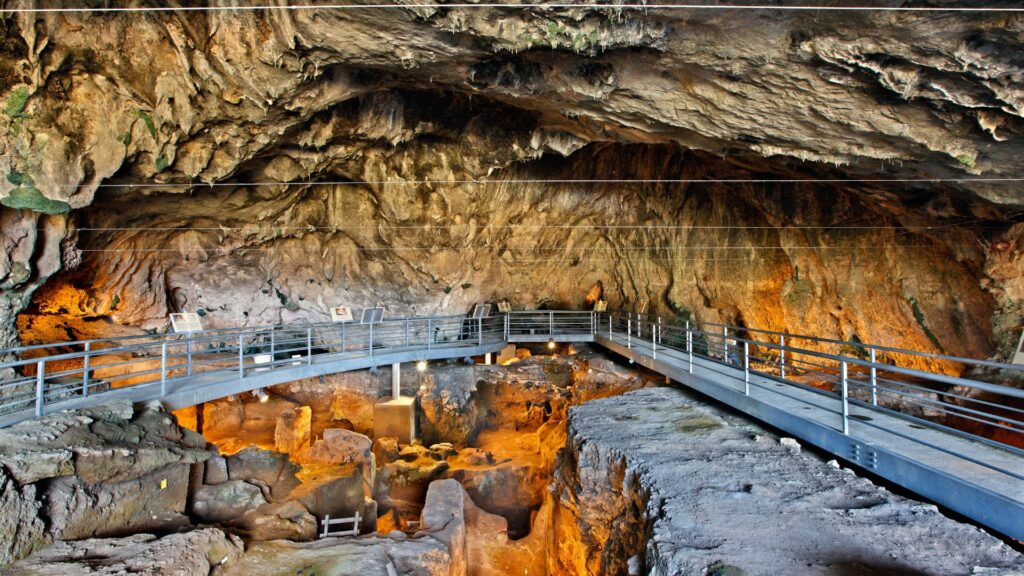
Stone structures usually bring Egypt to mind, so most people picture pyramids rising out of the desert as the starting point of human building. That assumption holds until archaeologists point toward a quiet cave in central Greece, so the timeline suddenly stretches backward. At that point, stonework stops looking like a later invention and starts feeling like a much older habit tied to survival.
Inside Theopetra Cave, researchers uncovered a low stone wall built directly into the entrance, which means it shaped how people lived inside the space. The wall dates back more than 23,000 years, so it formed during a brutal cold phase when ice dominated much of Europe. Because of that climate, sealing off the wind and freezing air made daily life possible inside the cave.
From there, the story widens into how long humans kept returning to the same place. Theopetra holds layers of occupation that stack up across tens of thousands of years, so each layer adds context to the one below it. That continuity shows people adapting step by step, which in turn reframes early building as something practical, familiar, and deeply human rather than rare or ceremonial.
Stone Wall Built to Withstand Ice Age Cold
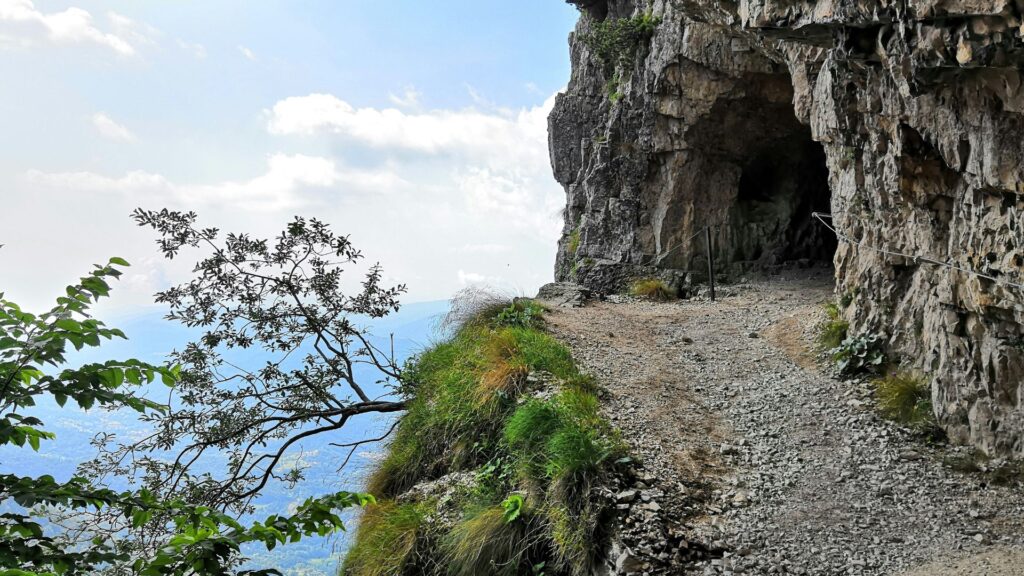
The stone wall sits just inside the entrance of Theopetra Cave, so it immediately shapes how air and light move through the space. Archaeologists date it to more than 23,000 years ago, which means people built it during the coldest stretch of the last Ice Age. At that point, much of Europe stayed locked in freezing conditions, so blocking wind mattered for anyone living inside the cave.
The wall consists of unshaped stones packed together with clay, so the design stayed simple and direct. That construction partially sealed the entrance, which means icy drafts stayed outside while warmth from fires remained inside. Because of that setup, the cave became easier to occupy during long winters, so daily life could continue without constant exposure to freezing air.
Researchers link the wall to careful planning rather than a quick fix, so it reflects deliberate choices about shelter. From there, the structure shows how people adjusted their surroundings instead of moving on. In turn, the wall offers a clear view of how Ice Age communities responded to extreme cold through basic building decisions that fit their environment.
Layers of Human Life Preserved Inside Theopetra Cave
Theopetra Cave holds evidence of human presence that stretches back roughly 130,000 years, so each layer adds another moment in time. Archaeologists uncovered sediment layers stacked several meters deep, which means people kept returning to the same place across massive climate shifts. From there, tools, fire pits, and food remains show how daily life changed as conditions outside the cave shifted.
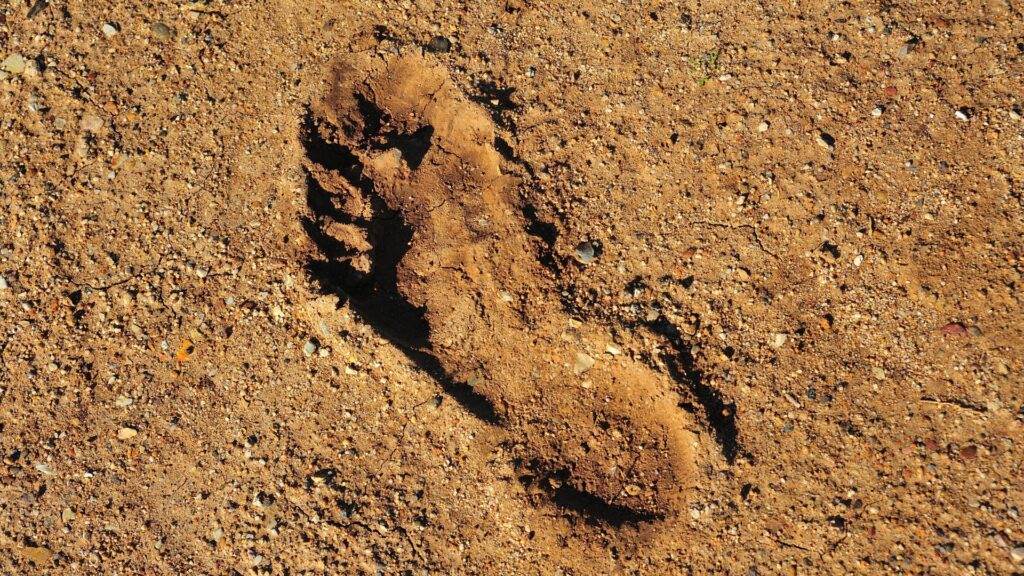
Deeper layers revealed children’s footprints pressed into ancient sediment, so those traces offer a rare glimpse of family life inside the cave. Researchers dated the footprints to around 135,000 years ago, which means even young children lived and moved through the space. Because of that, the cave reads less like a temporary shelter and more like a long-term home used again and again.
Higher layers tell a later story, so plant remains and early ceramics point to changing diets and habits. At that point, barley, wheat, olives, and meat appear in the record, which means people adjusted how they gathered and prepared food. In turn, those shifts show how life inside Theopetra evolved steadily rather than abruptly.
What Theopetra Changes About Early Human Building
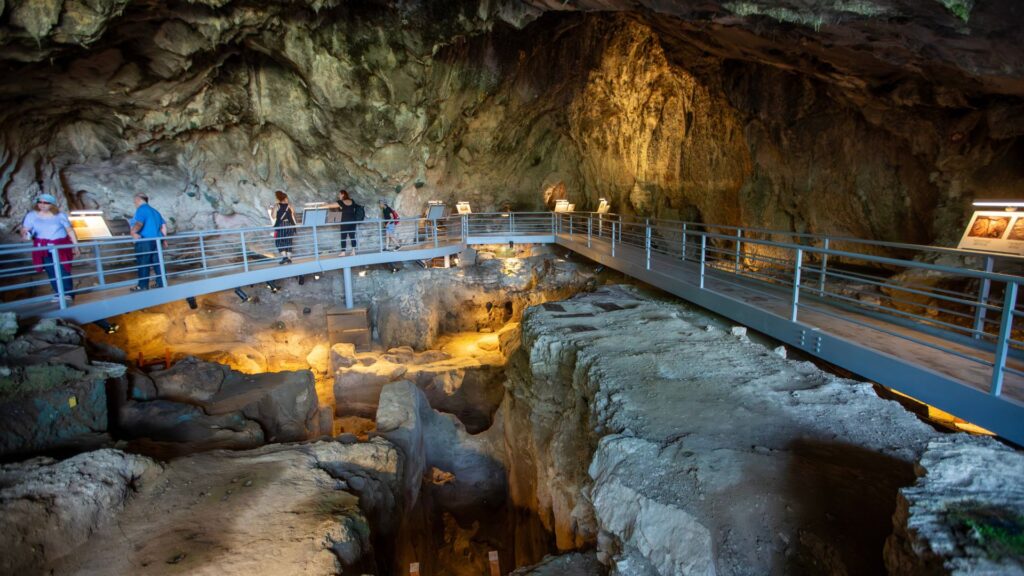
Theopetra Cave shifts how early building feels when you look at it closely, so stone walls stop being symbols and start being everyday solutions. People stacked rocks and packed them with clay to block freezing wind, which means shelter came from observation and adjustment rather than grand plans. From there, the cave reads like a place people understood deeply, so choices about warmth, space, and movement stayed grounded in daily needs.
That pattern continues through the layers left behind, so footprints, hearths, and tools connect one generation to the next. Because of that continuity, the cave feels lived in rather than briefly occupied, which means planning happened over long stretches of time. In turn, that slow rhythm shows how human building grew from repetition and memory instead of sudden leaps.
Looking at Theopetra invites a quieter way of thinking about early history, so attention shifts toward how people solved problems right in front of them. From there, architecture feels less like a starting line and more like a habit built step by step. Which means the story of human construction begins with small walls, shared spaces, and a steady effort to stay warm together.
PetsFanatic Team
Pet Care Expert & Content Creator
Passionate about sharing knowledge and tips for better pet care. Writing about everything from pet health to training techniques.