
Archaeologists Finally Identify the Owner of a 3,000-Year-Old Egyptian Tomb After Extraordinary Discovery
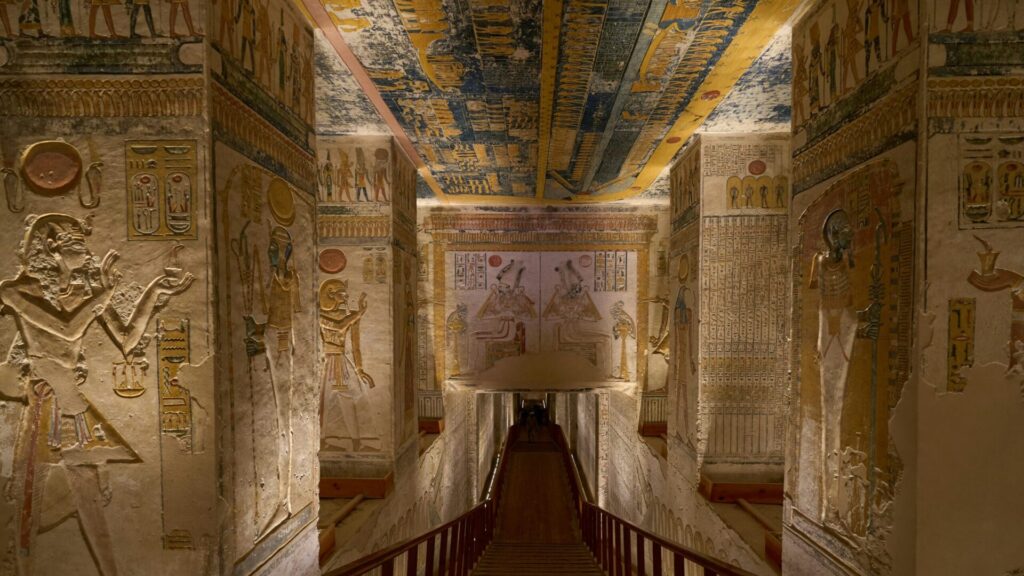
A sealed tomb uncovered in Egypt’s Nile Delta has resolved a mystery that baffled archaeologists for decades. Inside the ancient site of Tanis, researchers found hundreds of rare funerary figurines surrounding an unidentified sarcophagus. Careful analysis of inscriptions and royal symbols confirmed the burial belonged to Pharaoh Shoshenq III, a ruler of Egypt’s 22nd Dynasty. The discovery marks the first intact funerary assemblage found at Tanis in nearly 80 years. It also offers rare insight into burial practices during one of Egypt’s most politically unstable eras.
Identifying the Tomb’s Owner: Shoshenq III

Royal inscriptions and emblems stamped onto the figurines allowed scholars to identify the tomb’s occupant as Pharaoh Shoshenq III. He ruled during the 9th century BC, yet his burial site had remained unknown until now. While monuments bearing his name were previously found at Tanis, no confirmed remains had ever been linked to him. This discovery finally connects the ruler to a physical burial location. It resolves a long-standing gap in Egyptological records.
Why This Is One of Tanis’ Rarest Discoveries

No intact royal tomb with complete burial goods has been discovered at Tanis since the 1940s. Over centuries, looters stripped most chambers of valuables, leaving fragmented remains behind. The sealed condition of this tomb makes it exceptionally valuable to researchers. Its untouched state allows scholars to study burial practices exactly as they were performed. Such clarity is rare in Egyptian archaeology.
The Mystery of the Female Ushabti Figurines

More than half of the ushabti figurines discovered were female—a highly unusual finding. Traditionally, male figurines dominated royal burial collections. This unexpected gender balance raises new questions about symbolic labor roles in the afterlife. Researchers are now exploring whether this reflects Shoshenq III’s personal beliefs or broader cultural shifts. The discovery challenges long-held assumptions about ancient Egyptian funerary norms.
Political Instability May Explain the Tomb’s Location

Shoshenq III ruled during a period marked by political fragmentation and competing power centers. This instability may explain why his burial was placed in an unexpected location. Earlier monuments attributed to him lacked remains, suggesting his burial plans changed. Concealing or relocating royal tombs was sometimes necessary during unstable periods. The find offers insight into how politics shaped burial decisions.
How the Discovery Unfolded

The excavation began when archaeologists uncovered a narrow entrance leading to a sealed chamber. Realizing the importance of the find, the team worked through the night to secure the site. Over ten days, each artifact was carefully lifted, cataloged, and preserved. This methodical approach reflects modern archaeological standards. Preservation took priority over speed.
Why Most Egyptian Tombs Were Looted

Throughout history, Egyptian tombs were frequent targets of grave robbers seeking precious metals and valuables. Environmental damage also destroyed many burial chambers. What sets this tomb apart is its sealed condition, likely hidden by debris or overlooked entirely. Its survival allows scholars to examine a nearly complete funerary assemblage. Such finds are exceptionally rare today.
Implications for Museums and Cultural Heritage
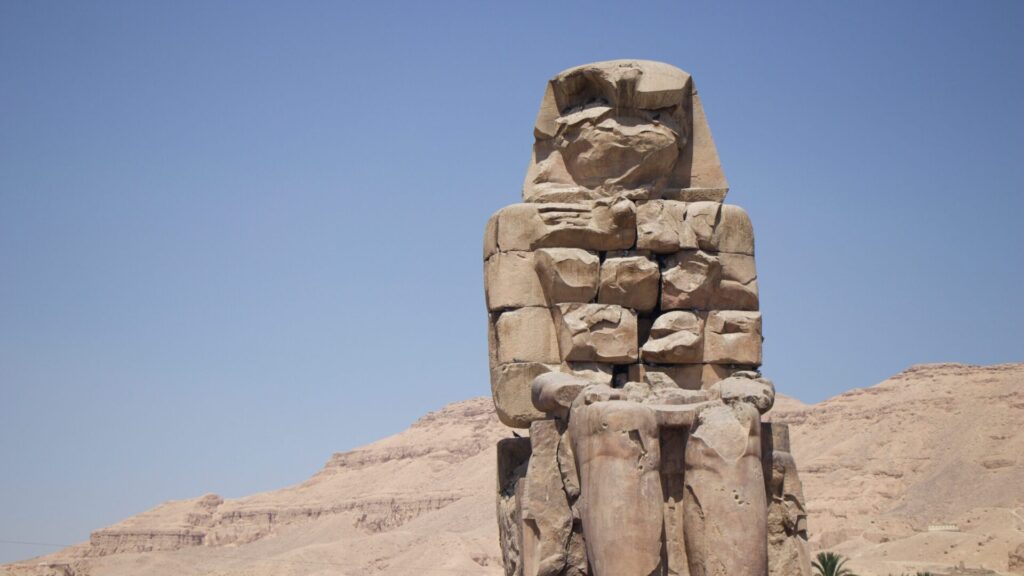
Egyptian authorities plan to conserve and eventually display the ushabti figurines in museums. Their pristine condition and craftsmanship make them ideal for public education. The discovery also elevates Tanis’ importance as an archaeological site. Long overshadowed by Luxor, Tanis may now attract renewed scholarly and tourist interest. The find strengthens efforts to preserve Egypt’s northern heritage sites.
Many Questions Still Remain

Although the tomb’s owner has been identified, several mysteries persist. It is still unclear whether the sarcophagus contains Shoshenq III’s remains. Researchers plan further analysis, including possible DNA testing. The tomb’s layout and surrounding structures may reveal additional secrets. Major discoveries often raise as many questions as they answer.
How This Discovery Reshapes Tanis’ Historical Role

Tanis has often been viewed as a secondary royal burial site used during unstable periods. This discovery challenges that assumption. The presence of a well-preserved royal tomb suggests greater political and ceremonial importance. If more intact tombs are found, historians may need to rethink Tanis’ role in Egypt’s dynastic history. The site’s story is far from complete.
PetsFanatic Team
Pet Care Expert & Content Creator
Passionate about sharing knowledge and tips for better pet care. Writing about everything from pet health to training techniques.