
Archaeologists Discover One of America’s Oldest Prehistoric Megastructures in Montana
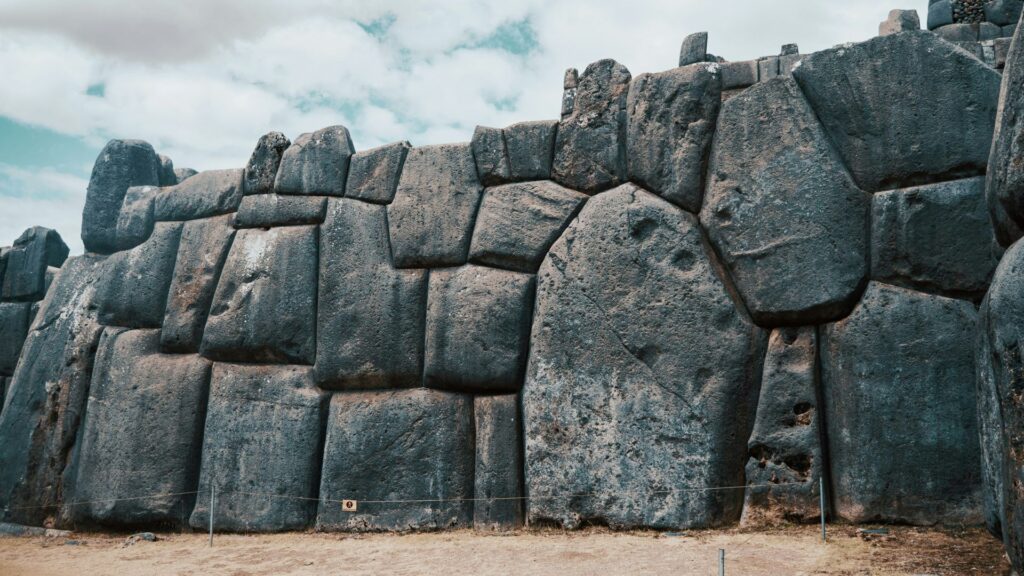
Archaeologists are studying a massive stone formation in Montana that might change how people view early North American history. Known as the Sage Wall, it’s made of large granite blocks arranged in a straight line near Whitehall. Some experts think it’s one of the oldest prehistoric structures in the country. Others believe natural forces shaped it. The discovery has sparked new research into how ancient people lived across the region.
The Mysterious Sage Wall of Montana

The Sage Wall sits hidden in Montana’s rugged hills near Whitehall, where enormous granite blocks form a straight line across the landscape. The structure looks too precise to be a coincidence, so it has drawn attention from archaeologists and geologists alike. Some say it’s a prehistoric build from an unknown culture, while others see natural geology at work. Either way, the site has become one of the most talked-about finds in recent years.
Debates Over Natural or Human Origins

Experts can’t seem to agree on what shaped the Sage Wall. Geologists say it formed naturally through erosion and shifting rock layers over millions of years. Archaeologists think the precision looks too deliberate, pointing to the possibility of early human engineering. The clean cuts and stacked granite blocks just look intentional, so people are questioning how such a structure appeared in Montana. The debate has only made the mystery grow louder across research circles.
Clovis and Anzick Sites in Historical Context

The Clovis and Anzick sites help set the timeline for early life in North America. The Clovis people lived around 13,000 years ago and left behind distinct stone tools. The Anzick site in Montana also revealed human remains and artifacts covered in red ochre, showing early cultural traditions. Both sites show that ancient communities were already established long before the Sage Wall was found, so researchers use them to compare timelines and study how people once lived.
Challenges in Excavation and Dating

Archaeologists are still figuring out how to study the Sage Wall without disturbing it. The land around it has mixed soil layers, so dating the stones accurately is harder than usual. Parts of the site are buried or covered in vegetation, which limits access for excavation. Researchers now use non-invasive tools like ground-penetrating radar and drones to map the area. The goal is to collect data carefully and keep the site’s natural state intact for future study.
Possible Cultural and Spiritual Meaning

Some researchers think the Sage Wall may have held cultural or spiritual meaning for ancient people. The formation could’ve been used for ceremonies or gatherings, as other Indigenous sites feature stone circles and cairns. Local tribes also speak of sacred landscapes that carry ancestral stories. So the wall might connect to those traditions, linking people, nature, and history in ways that science is only beginning to understand through new research and collaboration.
Comparing Montana to Global Megaliths
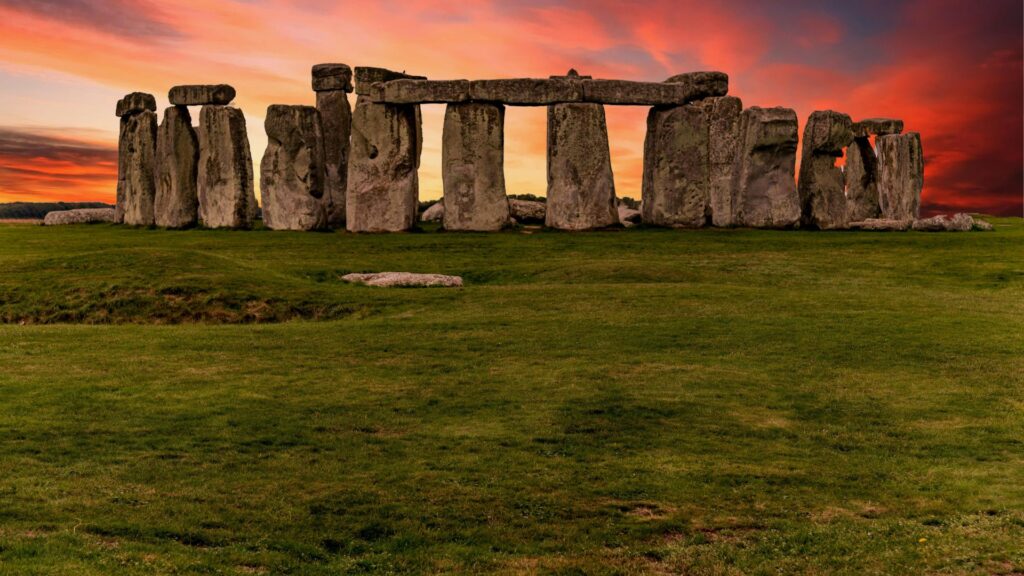
The Sage Wall has drawn comparisons to well-known ancient sites like Stonehenge in England and Göbekli Tepe in Turkey. The size and alignment of its granite blocks remind researchers of those early monuments, which also showed precise construction. The Montana structure stands out because megaliths aren’t common in North America. So experts are curious if it reflects a separate cultural development or a shared human pattern of building large stone formations for ritual or community purposes.
Indigenous Knowledge and Collaboration
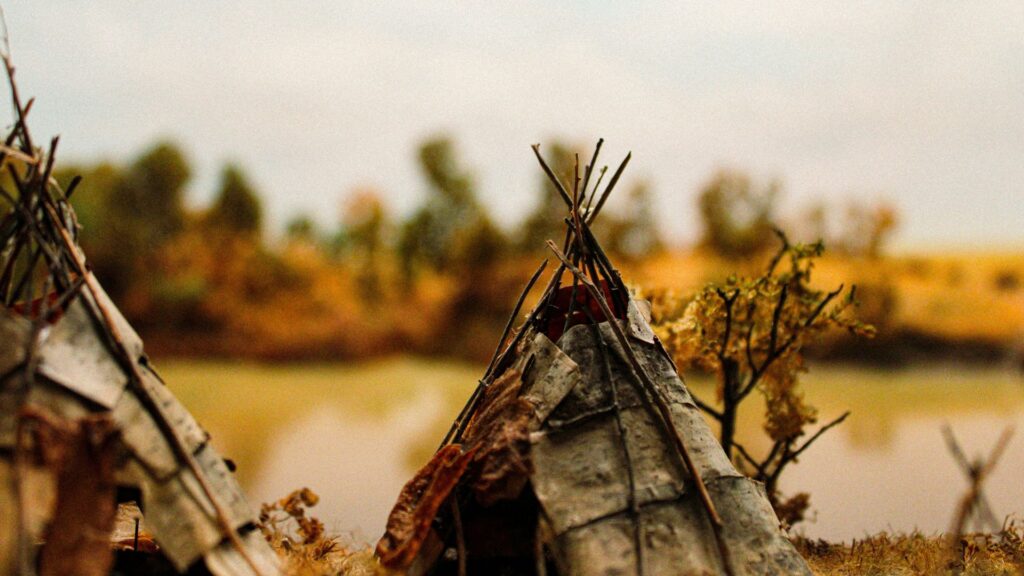
Researchers are working with local Indigenous tribes to better understand the Sage Wall’s meaning and history. Tribes like the Blackfeet and Salish-Kootenai share oral stories that connect sacred sites to the land. Their knowledge adds depth to the research, so scientists are listening closely and involving communities in every step. Collaboration ensures the work respects cultural heritage and helps preserve ancestral sites that still hold deep value for the people who live there today.
Modern Technology Advancing Research

Archaeologists are using new tools to study the Sage Wall without digging it up. Drones, LIDAR scans, and ground-penetrating radar help map the formation and reveal hidden details beneath the surface. High-resolution imaging also lets researchers study how the blocks align and weather over time. So technology makes it easier to collect accurate data while keeping the site untouched, giving scientists a clearer view of how the structure might have formed thousands of years ago.
What the Discovery Could Mean for the Future

The Sage Wall has sparked new curiosity about America’s ancient past. Researchers, local tribes, and technology experts are teaming up to uncover its story. Each new study brings fresh clues about how early people might’ve lived and built across North America. So even if the mystery isn’t solved yet, it’s getting people excited to look closer, ask better questions, and keep Montana’s prehistoric secrets alive for future generations.
PetsFanatic Team
Pet Care Expert & Content Creator
Passionate about sharing knowledge and tips for better pet care. Writing about everything from pet health to training techniques.