
Archaeologists Discover 7,000-Year-Old Underwater Wall That May Explain Legend of Sunken City

French geologist Yves Fouquet was reviewing seabed charts when a nearly 400-foot-long linear formation off the coast of France grabbed his attention. The structure looked deliberate, not natural, and years of investigation followed. Archaeologists have now confirmed it’s a stone wall built by hunter-gatherers between 5800 and 5300 B.C.E., according to a new paper published in the International Journal of Nautical Archaeology. The wall rests roughly 30 feet beneath the Atlantic Ocean off the Île de Sein, a rugged island on the tip of Brittany in northwestern France. The discovery may also shed light on ancient Breton legends of cities lost to the sea.
The Wall Stands 7 Feet Tall and Stretches 66 Feet Wide
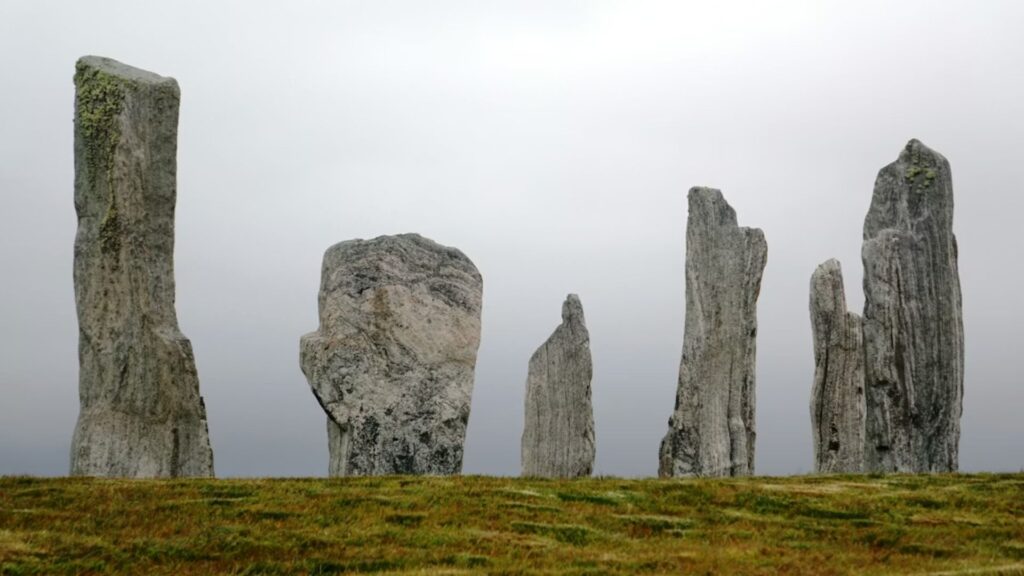
The structure measures roughly 66 feet wide at the base and stands roughly 7 feet tall on average. Dozens of upright slabs and stones, or monoliths, dot the wall, forming parallel lines and extending nearly six feet above the wall’s flattened top. The structures discovered at the site are sturdy and well-built, and they would have required great skill and organization to put together. The researchers suspect a large group of people was involved in their construction, suggesting the region had enough fish and other resources to support a hungry, hard-working crowd.
The Structure Was Built on Dry Land When Sea Levels Were 23 Feet Lower

When the wall was constructed between 5800 and 5300 B.C.E., archaeologists think the structure would have been on dry land, situated somewhere between the low tide and high tide water marks on the island’s shore. At that time, the sea level was 23 feet lower than it is today, and the island was 14 times larger, according to Le Monde’s Nicolas Guillas.
It May Have Been Used to Trap Fish or Block Flooding

Archaeologists don’t know exactly what it was used for, but they suspect maritime hunter-gatherers may have constructed the wall to trap fish at low tide or protect against flooding from rising sea levels. “This is a very interesting discovery that opens up new prospects for underwater archaeology, helping us better understand how coastal societies were organized,” study co-author Yvan Pailler, an archaeologist at the University of Western Brittany, told Agence France-Presse.
The Wall May Predate the Famous Carnac Alignments

Archaeologists suspect the underwater wall is even older than the Carnac Alignments, a dense group of standing stones near the south coast of Brittany. This prehistoric site in northwestern France features thousands of stones standing in long lines. The newly discovered wall’s age, dating between 5800 and 5300 B.C.E., places it firmly in the period when ancient communities were developing sophisticated stone-working techniques and constructing elaborate monuments across the region.
Researchers Found Several Other Man-Made Granite Structures Nearby
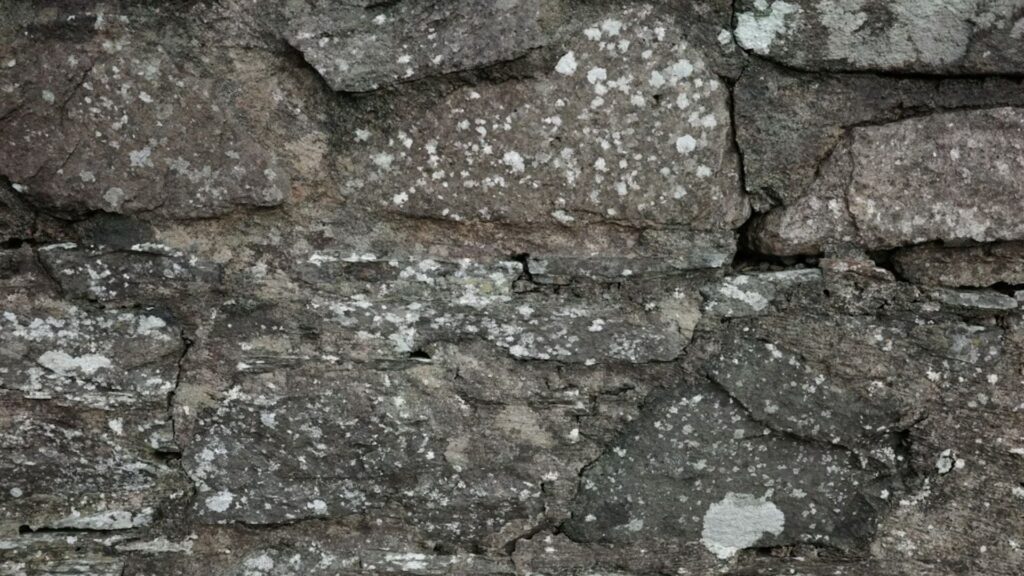
In addition to the wall, archaeologists also identified several other man-made granite structures. All of the structures are sturdy and well-built, and they would have required great skill and organization to put together. The researchers suspect a large group of people was involved in their construction, suggesting the region had enough fish and other resources to support a hungry, hard-working crowd. They think the structures may have been built during the transition from the Mesolithic period to the Neolithic period.
The Discovery May Be Linked to Breton Legends of Sunken Cities

The structures may be the source of local Breton legends about sunken cities. One of the most famous is called the City of Ys, which is thought to have been located just a few miles from the Île de Sein in the Bay of Douarnenez, reports Le Parisien’s Nora Moreau. Perhaps the sea level rose quickly, forcing inhabitants to abandon their homes and nearby fishing structures. If so, this event must have made a “lasting impression,” the researchers write in the paper, and stories might have been passed down through subsequent generations.
Legends May Preserve Memory of Abandoned Territory

Oral traditions may have preserved significant events in memory that could well be worthy of scientific examination, according to the researchers. “It is likely that the abandonment of a territory developed by a highly structured society has become deeply rooted in people’s memories,” they write in the paper. The connection between archaeological evidence and local folklore offers insight into how ancient communities remembered and transmitted stories of dramatic environmental changes.
Similar Discoveries Are Revealing Europe’s Ancient Submerged Landscapes

In 2024, researchers found a 10,000-year-old stone wall submerged 70 feet deep off Germany’s Baltic coast. It could be the oldest known man-made megastructure in all of Europe. The wall stands roughly 1.5 feet tall on average and stretches for more than half a mile. Researchers think it was built by Stone Age hunters to guide and capture reindeer. These discoveries are transforming our understanding of how ancient Europeans adapted to changing coastlines and built sophisticated structures to support their communities.
The Wall Shows How Organized Ancient Hunter-Gatherers Really Were

The discovery of the 7,000-year-old wall off the Île de Sein reveals the organizational capabilities and resource management of ancient maritime communities. The structure’s scale and craftsmanship indicate these hunter-gatherers possessed advanced engineering skills and could mobilize large groups for complex construction projects. As underwater archaeology continues to uncover submerged sites along Europe’s coasts, researchers are piecing together a more complete picture of how prehistoric societies thrived along ancient shorelines that now lie beneath the waves, preserving both physical evidence and, possibly, the seeds of enduring legends.
PetsFanatic Team
Pet Care Expert & Content Creator
Passionate about sharing knowledge and tips for better pet care. Writing about everything from pet health to training techniques.