
Archaeologists Discover 4,300-Year-Old Limestone Sculpture

A stunning archaeological discovery is reshaping what we know about ancient Egyptian art. Beneath the sands of Saqqara, researchers uncovered a 4,300-year-old limestone statue with an unusual mix of sculptural styles. Known as the “family statue,” the find challenges long-held ideas about how Egyptian artists expressed symbolism and form. Renowned archaeologists Zahi Hawass and Sarah Abdoh studied the piece, revealing details that could redefine the history of Egyptian craftsmanship.
Unearthing a Forgotten Masterpiece
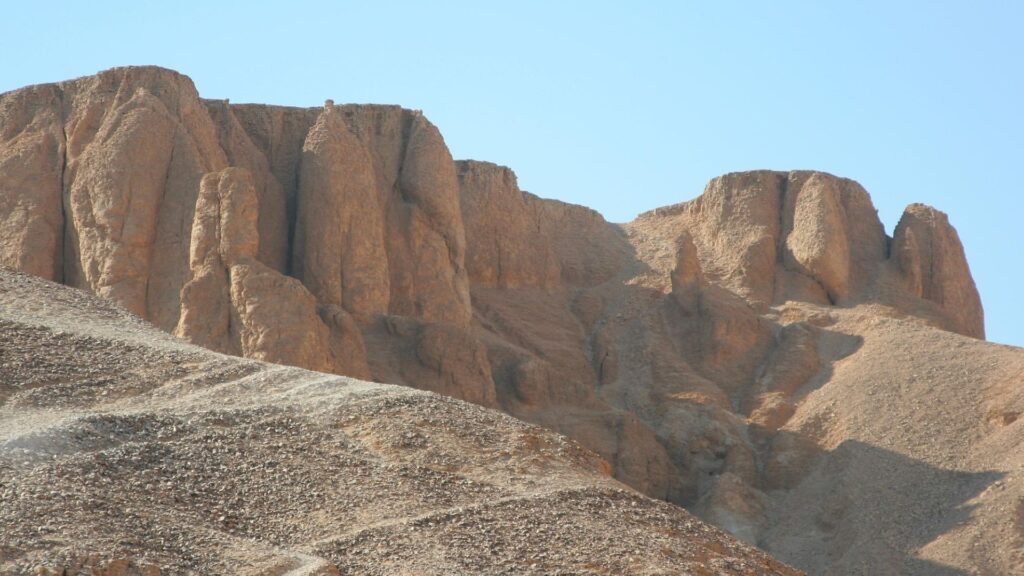
Rediscovered in 2021 during excavations at Gisr El-Mudir, one of Egypt’s oldest stone monuments, the statue had been buried for centuries. Experts believe it was once looted, abandoned, and later swallowed by the desert. Its recovery offers a rare glimpse into an early chapter of Egyptian artistry, where creativity flourished alongside monumental architecture.
A Family Frozen in Stone

The sculpture shows a man standing firmly with his left foot forward, a pose symbolizing strength and vitality. Beside him, a smaller woman, likely his wife, kneels and embraces his leg in a gesture of devotion. To the side, a young girl holds a goose and touches her father’s leg, blending affection with symbolic meaning in a single, delicate composition.
Craftsmanship Beyond Convention

Hawass calls the statue an “unprecedented example” from the Fifth Dynasty. Unlike typical works of the period, the man and woman are carved fully in the round, while the daughter appears in high relief, a style rarely seen in Old Kingdom art. This daring combination reveals the sculptors’ skill and curiosity, hinting at a culture more artistically versatile than once thought.
Bridging Artistic Eras

The use of high relief, common in much later Ptolemaic art, suggests that Egyptian artisans mastered the technique far earlier than historians believed. The piece breaks the expected timeline of artistic development, showing that experimentation and innovation existed long before Egypt’s classical period.
Mystery of Its Resting Place

Unusually, the statue was not found inside a tomb or chapel but near a symbolic “false door” marked with the name “Messi.” In Egyptian funerary belief, such doors connected the worlds of the living and the dead. Its placement implies that the statue may have honored family bonds meant to endure beyond life itself.
The Language of Imagery

With no inscriptions, the statue communicates entirely through form. Posture, proportion, and touch express hierarchy and affection more powerfully than words. This reliance on visual storytelling highlights the Egyptians’ ability to convey complex ideas through art alone.
Symbolism in Details

The goose in the girl’s hands adds a personal touch. Often associated with nourishment and renewal, it may represent hopes for abundance in the afterlife. Its inclusion ties the statue to familiar scenes painted on tomb walls, where family and daily life were celebrated as eternal values.
The Ancient Egyptian Art

Once discarded and forgotten, the “family statue” now offers a rare perspective on artistic experimentation in ancient Egypt. Its discovery challenges assumptions about when and how certain techniques emerged, reminding us that history still hides masterpieces capable of rewriting our understanding of the past.
Artistic Freedom in the Old Kingdom
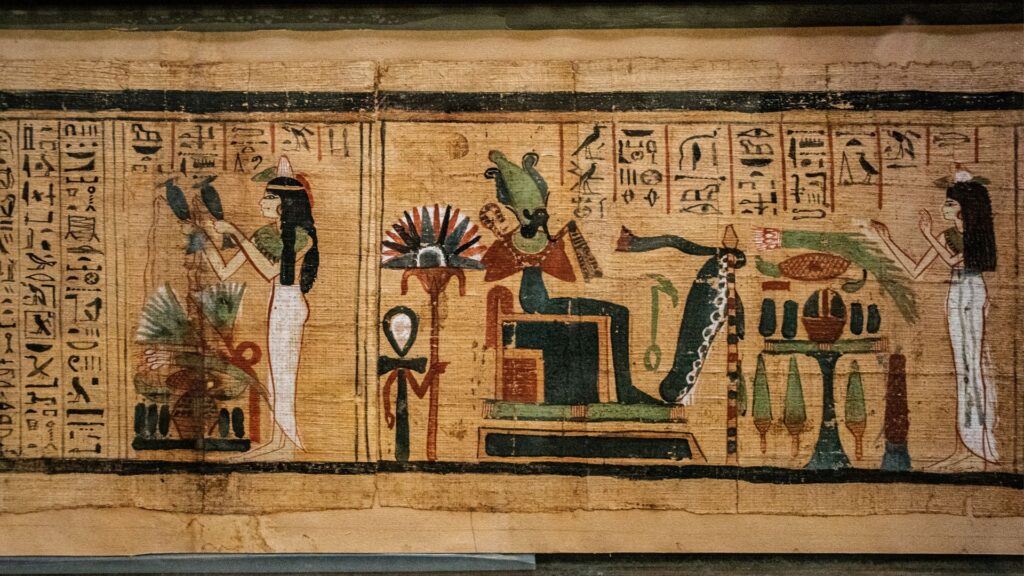
This discovery reshapes how we view ancient Egyptian art. The statue’s blend of styles suggests that Old Kingdom sculptors may have enjoyed more creative freedom than once believed, experimenting with new ways to express identity and family.
Redefining Egypt’s Artistic Legacy

Beyond its beauty, the “family statue” redefines Egyptian craftsmanship and history itself. Each new find in Saqqara reminds us that ancient art was far more dynamic, and innovative, than tradition alone suggests.
PetsFanatic Team
Pet Care Expert & Content Creator
Passionate about sharing knowledge and tips for better pet care. Writing about everything from pet health to training techniques.