
The Aral Sea Dried Up. Now Scientists Say It Released 748 Million Tons of CO₂
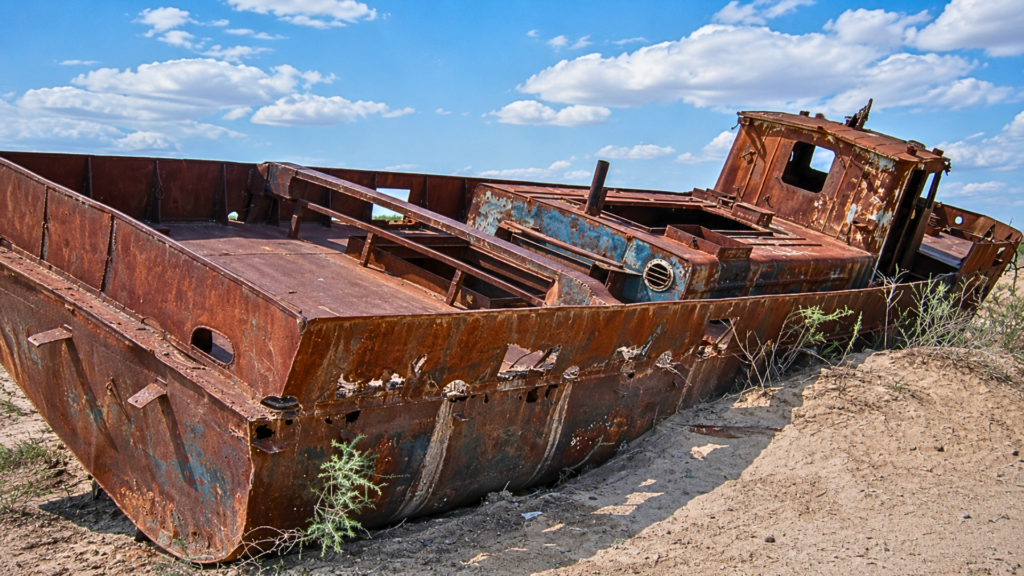
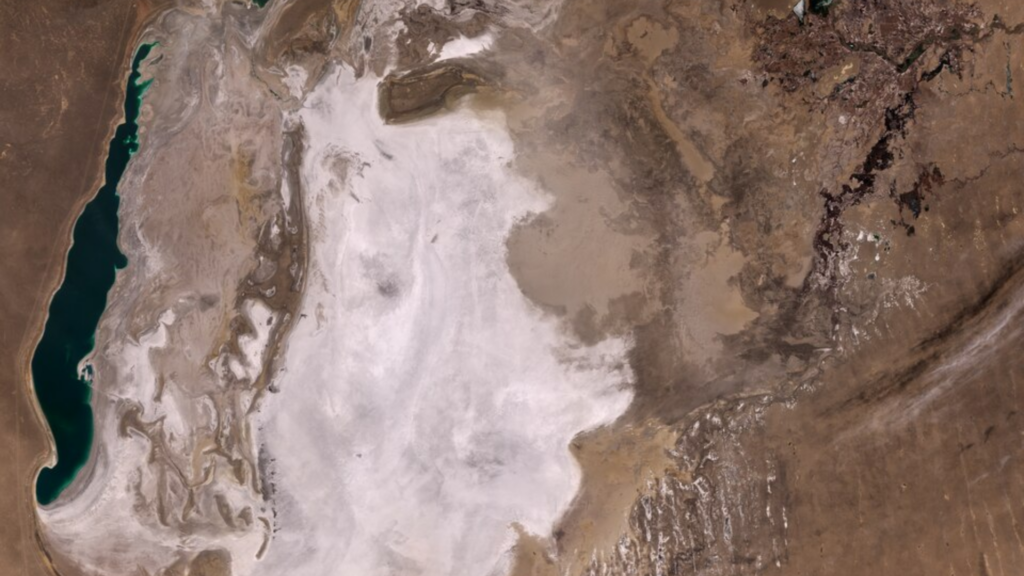
A dried-up lake sounds like a finished disaster, something that already happened and stopped happening. The Aral Sea proves that assumption wrong. Once the fourth-largest inland body of water on Earth, it has been reduced to a salt flat the size of Ireland since the 1960s. New research shows the drying process itself never really stopped working. Scientists just calculated that this “finished” disaster has pumped 748 million metric tons of carbon dioxide into the atmosphere since 1960.
A Healthy Lake Locks Carbon Away for Centuries, Not Releases It
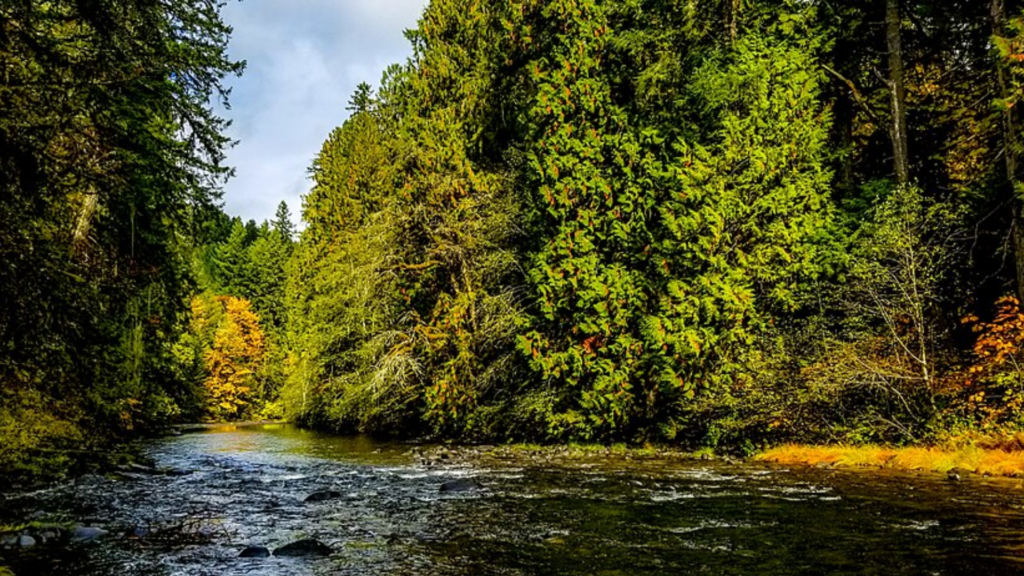
Lakes are not supposed to be climate problems, they are usually part of the solution. When a body of water stays full, organic matter settles to the bottom and gets trapped there, often for centuries. “They accumulate carbon in the sediment,” said Rafael Marcé, a research scientist at Spain’s Centre for Advanced Studies in Blanes and the study’s lead author. Under normal conditions, that buried material makes lakes reliable long-term carbon sinks rather than sources.
Drying Flips a Lake From Carbon Sink to Carbon Source
Once water disappears, that stored carbon does not just stay put. Exposed sediment breaks down and releases the carbon it had been holding, turning a former sink into an active source of emissions. Researchers had already observed this pattern in smaller lakes before studying the Aral Sea. Even Marcé, who expected some emissions, said his team had no real sense of how large the effect would be until they actually measured it directly on-site.
Scientists Read the Lakebed Like a Timeline Written in Sediment
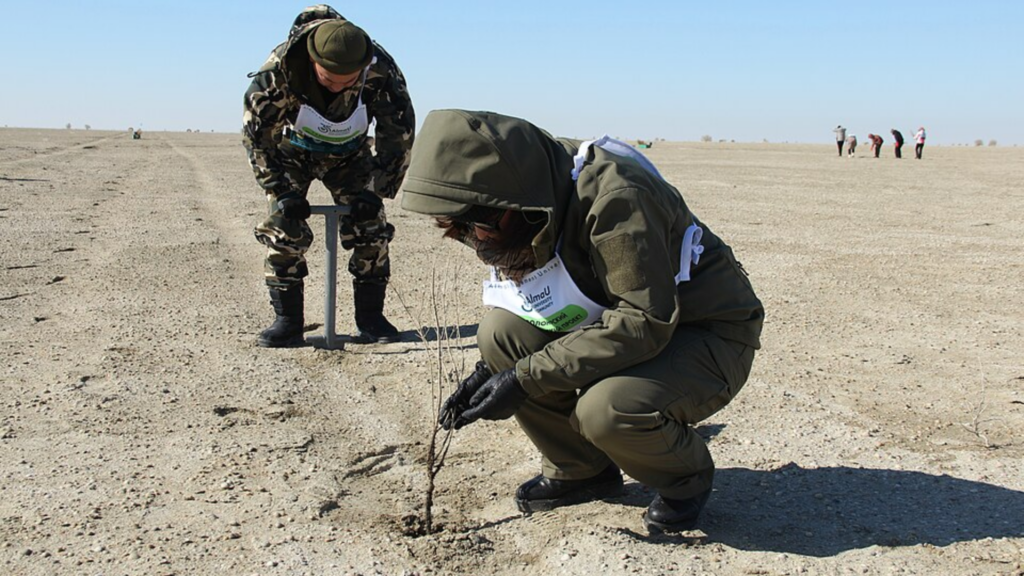
The Aral Sea’s uneven drying accidentally created a research tool. Some edges had been exposed since the 1960s, while other areas only dried out within the last few years, creating a natural gradient across the lakebed. During a 2022 expedition, researchers collected sediment samples along that entire gradient. Comparing older and newer exposed sections let them reconstruct how emissions had changed over time as different parts of the lake dried out.
The Emissions Total Equals Three Years of an Entire Country’s Output
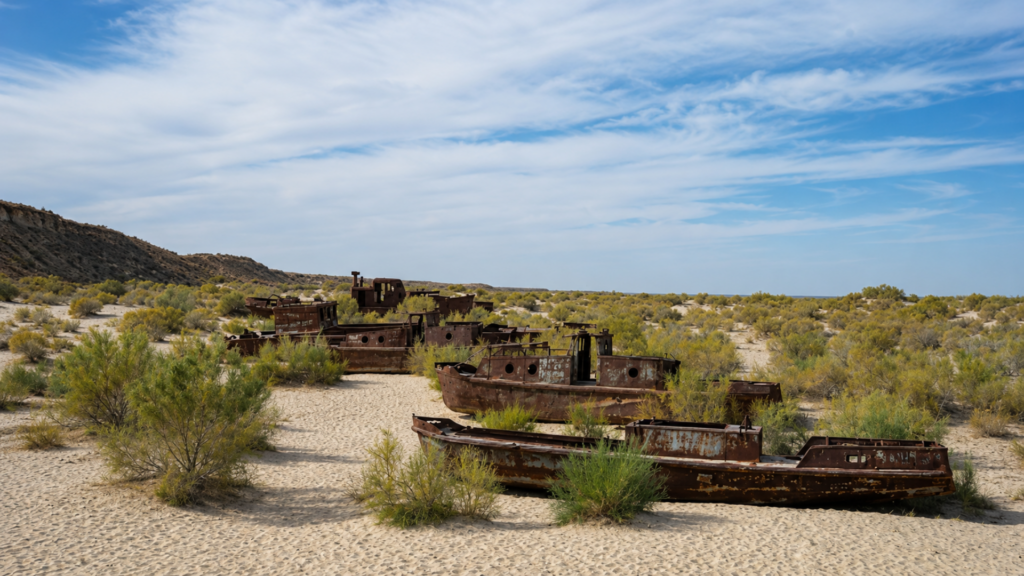
Numbers this large only make sense with something to compare them to. Between 1960 and 2022, the Aral Sea’s exposed sediment released 748 million metric tons of carbon dioxide, roughly three times Spain’s total annual emissions. Most of that release happens fast: about half occurs within the first 15 years after a section of lakebed gets exposed to air. Nearly a fifth of the total came specifically from wind scattering dried sediment, a factor researchers had rarely studied before.
An Outside Expert Calls the Dust Factor a Serious Blind Spot
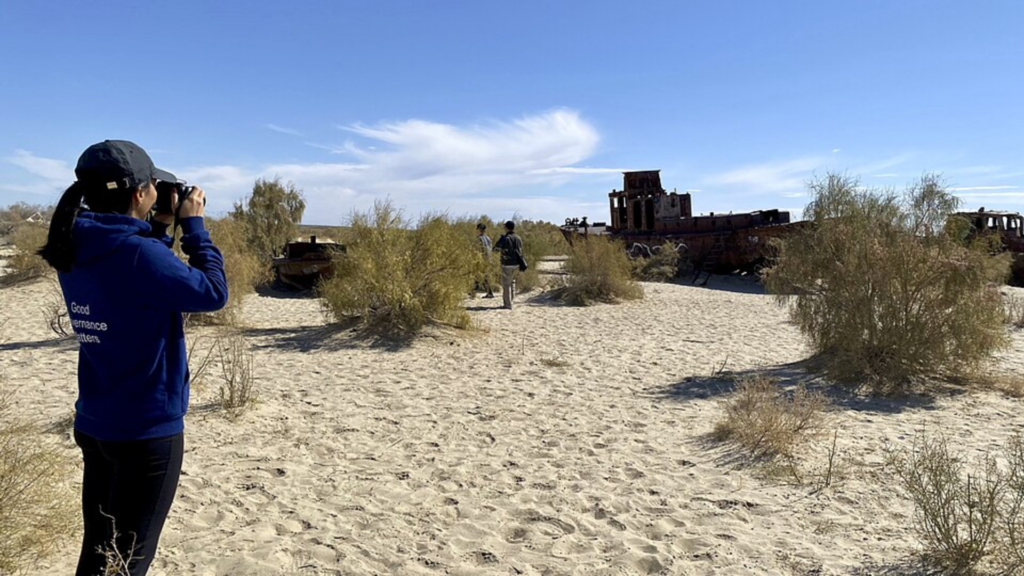
Independent scientists reviewing the study found the wind-driven emissions especially striking. “This dust is a really big issue,” said Sarian Kosten, an aquatic ecologist at Radboud University who was not involved in the research. She called the overall methodology sound and the findings genuinely disheartening. “I always find it very sad to see these pictures of the declining water surface there,” Kosten said, describing years of watching the lake’s retreat documented in satellite imagery.
The Real Total Could Be Even Larger, Researchers Admit
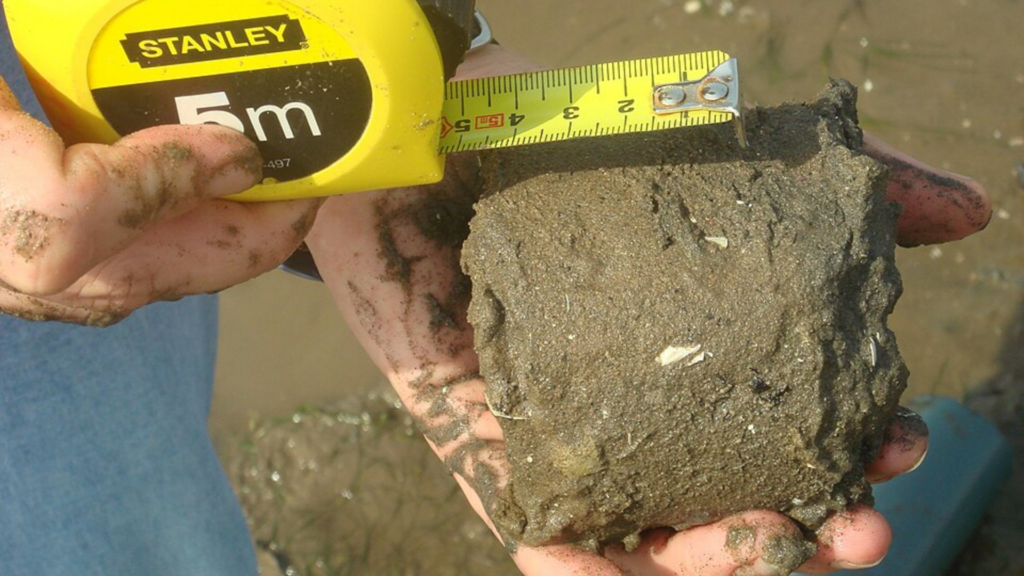
This massive figure might still be an undercount. Marcé said the team’s equipment limited their sediment cores to just 50 centimeters deep, even though the actual lakebed runs many feet thick. “It could be that all these degradation effects are contained in the first layers,” he said, “or all these carbon calculations we did could be a gross underestimate.” Researchers plan to return with larger drilling equipment next year to dig deeper into the remaining sediment.
A Similar Warning Sign Already Showed Up at Utah’s Great Salt Lake
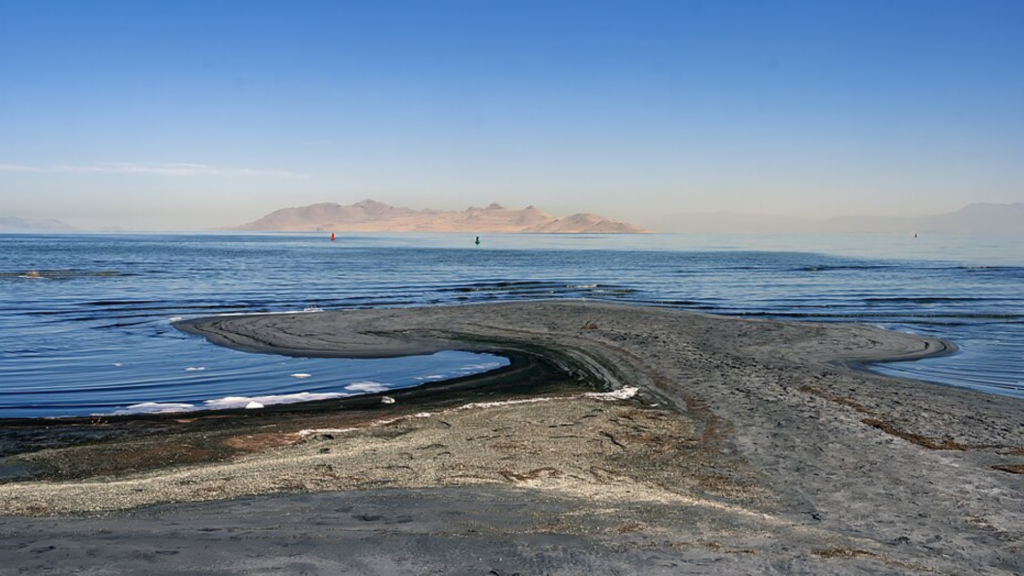
The Aral Sea is not an isolated case, and other researchers are starting to notice the pattern. Soren Brothers, a limnologist at the University of Toronto who authored a separate Great Salt Lake study, found that lake alone releases over 4 million tons of carbon dioxide yearly. “There is a whole bunch of CO2 coming out of the ground that no one was counting,” Brothers said, describing what he called a significant blind spot in how scientists track emissions.
Roughly 605 Million More Tons of Carbon Are Still Sitting There
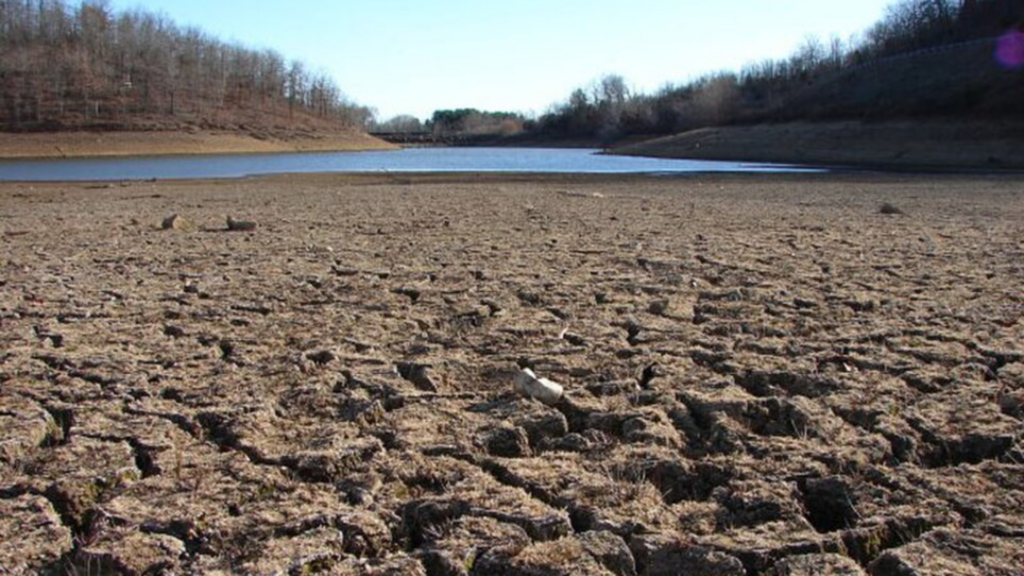
Not all of the Aral Sea’s stored carbon has escaped yet. The study estimates about 605 million metric tons of carbon dioxide remain trapped in sediment that has not yet fully released. Researchers calculated that keeping that carbon in the ground could be worth up to $18 billion in carbon credits under current market pricing. That framing turns a purely environmental loss into something with a measurable financial incentive attached to fixing it.
Fixing the Aral Sea Would Require More Than Just Adding Water Back
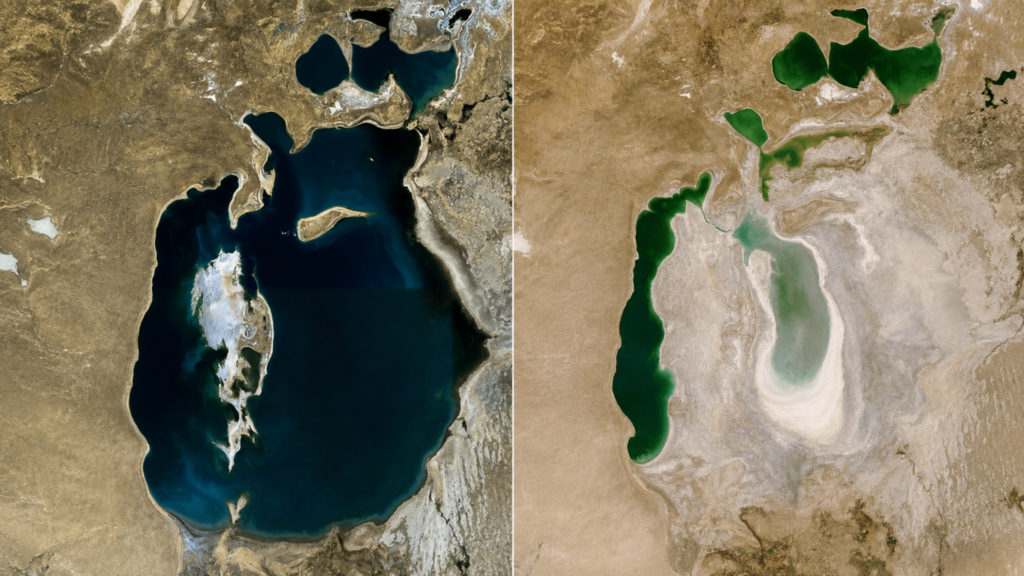
Reversing six decades of damage was never going to be simple, and researchers are honest about that. The drying began in the 1960s when Soviet planners diverted rivers to irrigate cotton fields, and many of those same irrigation systems remain outdated today. Restoring the sea would require multiple countries agreeing not to reuse that water elsewhere first. Still, Marcé sees a narrow opening. “If we have this kind of program, there could be a hope for the Aral Sea,” he said.
PetsFanatic Team
Pet Care Expert & Content Creator
Passionate about sharing knowledge and tips for better pet care. Writing about everything from pet health to training techniques.