
“Apex Predator” Missing for Decades Set to Return to US Rivers, Officials Plan Release

Drivers and anglers across parts of the U.S. could soon notice a familiar presence returning to rivers that have gone decades without it. Wildlife officials are preparing to reintroduce a massive freshwater predator, so attention is turning to what its return could mean for ecosystems that have changed in its absence.
Planned Turtle Release in Neosho River
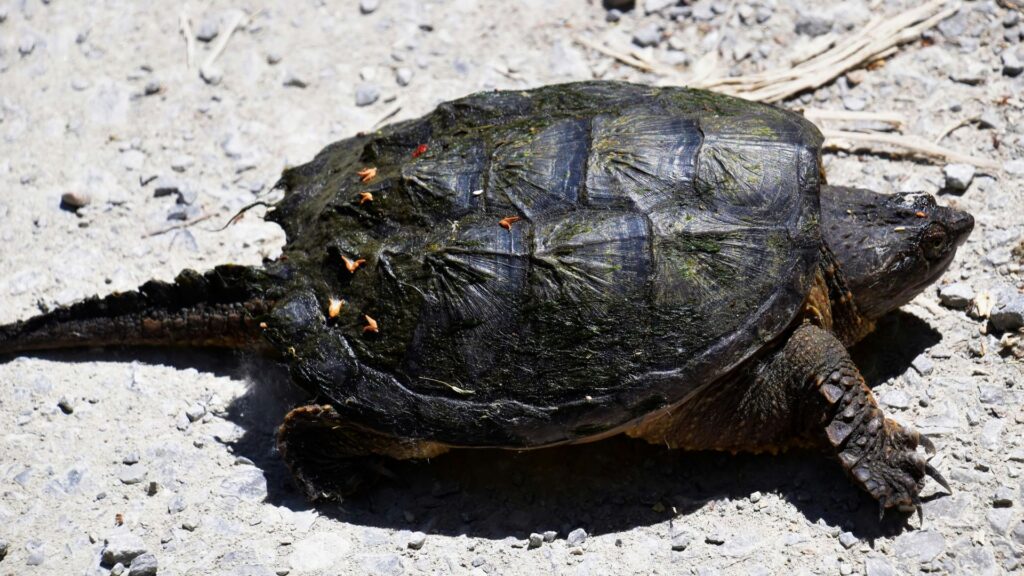
Wildlife officials in Kansas are preparing a controlled release of 40 alligator snapping turtles into the Neosho River. Planning has stretched over years. The effort now enters its final stage as crews coordinate timing, transport, and placement ahead of the fall 2024 release window.
Partnership With Local Landowners

Wildlife officials are working directly with private landowners along the Neosho River to support the release. Access to riverbanks and surrounding areas allows crews to manage placement more carefully. That coordination also helps protect habitats where the turtles will settle after entering the water.
Historic Range Across the Midwest and the South

Alligator snapping turtles once occupied rivers across the South and parts of the lower Midwest, extending as far as Kansas at the edge of their native range. Over time, that footprint narrowed, which led to gaps in regions where the species had previously been part of the ecosystem.
Decline and Rarity in Kansas Waters
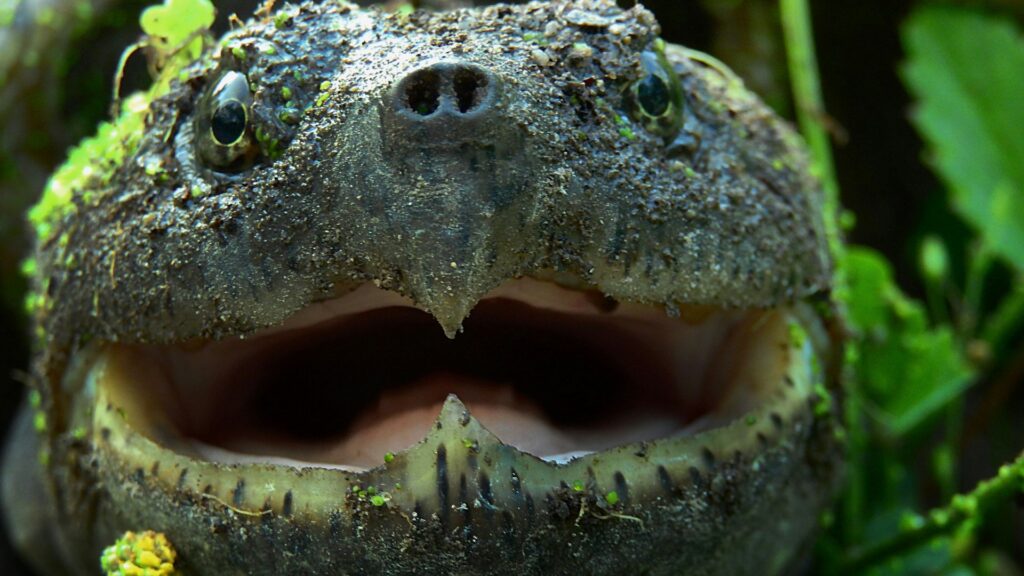
Records once placed alligator snapping turtles in Kansas waterways, then observations grew scarce over the years. Populations continued to thin out. Sightings now rank as rare, leaving many rivers without a species that had long been part of those systems.
Apex Predator Role in River Ecosystems

Alligator snapping turtles sit at the top of the food chain in freshwater systems, where they feed on fish and other aquatic life. That feeding pattern shapes population levels over time. Their presence also keeps river conditions more balanced as those interactions continue across the ecosystem.
Environmental Cleanup Through Scavenging

Alligator snapping turtles feed on dead animals that settle in riverbeds. Their scavenging clears out decaying matter over time. Water conditions improve as buildup decreases, and surrounding habitats stay more stable as that cleanup continues across the system.
Threats From Harvesting and Fishing Gear

Illegal harvesting continues to reduce turtle populations, with demand for meat and the pet trade driving capture. Encounters with fishing gear add another layer of risk. Hooks and lines cause injuries when turtles ingest them, which leads to long-term harm in affected waterways.
Broader Wildlife Reintroduction Efforts

Wildlife agencies across different regions are restoring species to areas where they once lived. Giant tortoises have returned to parts of Madagascar after centuries, and Eastern indigo snakes now reenter forests in Alabama. Each effort adds momentum to long-term recovery programs already underway.
Return of a Long-Absent River Predator

Kansas is preparing to bring back a species that has been missing for over 30 years. That effort reconnects rivers with a predator that once lived in those waters. In turn, ecosystems may begin adjusting as the turtles reestablish their presence over time.
PetsFanatic Team
Pet Care Expert & Content Creator
Passionate about sharing knowledge and tips for better pet care. Writing about everything from pet health to training techniques.