
Ancient Remains Pulled From Ice Leaves Researchers Searching for Answers
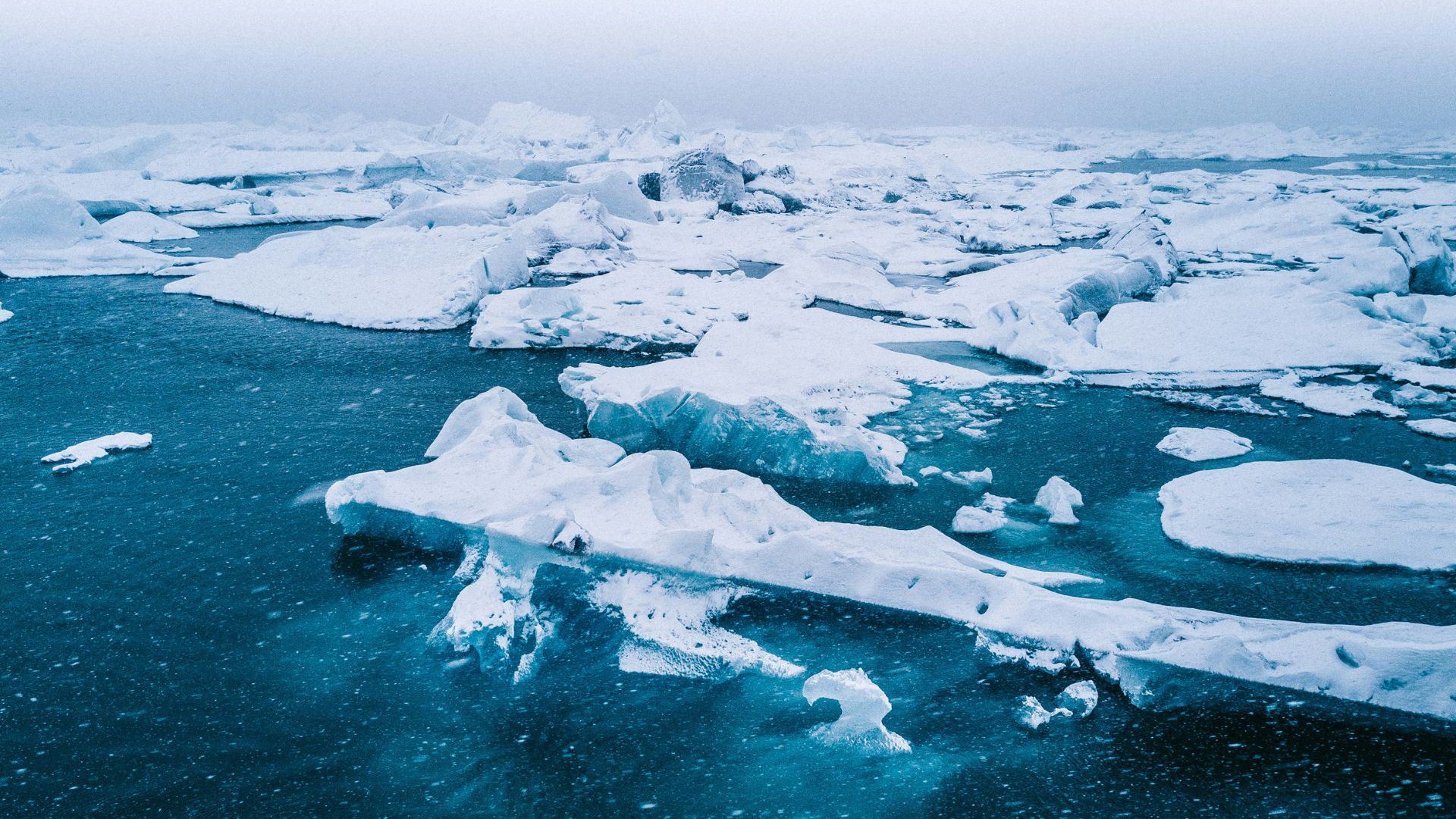
When researchers arrived at Cape Irizar along Antarctica’s Ross Sea coast in 2016, they expected to find a barren, windswept landscape. Instead, they encountered what looked like the remains of a recently active penguin colony: scattered chick bones, intact carcasses with feathers still attached, and guano staining the rocky ground. The discovery was puzzling. No records indicated that Adélie penguins had bred there in more than a century.
Steven D. Emslie, a marine biologist at the University of North Carolina Wilmington, described the scene as unlike anything he had seen in decades of Antarctic fieldwork. Some of the carcasses appeared fresh, as if they had died only years earlier. Yet penguins cannot access the cape today due to fast ice and steep cliffs. The contradiction prompted closer investigation.
Radiocarbon dating soon revealed a surprising truth: the “fresh” remains were not recent at all. They were ancient, preserved under snow and ice for centuries before being exposed by recent snowmelt. The findings, published in Geology, documented a complex history of penguin occupation stretching back roughly 5,000 years.
A Colony Frozen in Time

Excavations at Cape Irizar uncovered pebble mounds that Adélie penguins once used to build nests. Researchers dug carefully into these sites, recovering bones, feathers, eggshell fragments and guano for analysis. The dry, dusty soil resembled that of other ancient colonies Emslie had studied, yet the mix of decaying surface remains suggested multiple time periods layered together.
Radiocarbon results identified at least three separate occupation periods. The first began about 5,000 calibrated years before present and lasted more than two millennia. After a gap, a second occupation occurred roughly 2,300 to 1,375 years ago. A third and final period ended around 800 years ago.
The most recent occupation overlapped with the Medieval Warm Period and ended as the Little Ice Age began around A.D. 1300. During that colder phase, average summer surface temperatures in parts of the Ross Sea dropped significantly. Expanding snow cover likely buried the colony’s remains, sealing them in ice until modern warming trends began to reverse that process.
Climate Clues Hidden in Bones

The reemergence of the colony connects directly to rising temperatures in the Ross Sea region. Satellite imagery dating back to the 1980s shows Cape Irizar consistently snow-covered until about 2013, when exposed ground began to appear. Since the 1980s, regional summer temperatures have risen by roughly 0.5°C per decade, accelerating snowmelt.
Emslie concluded that the jumble of old and newly exposed remains reflects this recent thaw. “This recent snowmelt revealing long-preserved remains that were frozen and buried until now is the best explanation for the jumble of penguin remains of different ages that we found there,” he said.
Stable carbon isotope analysis of penguin bones provided further insight. Higher δ13C values during a warm interval known as the penguin “optimum” between 4,000 and 2,000 years ago suggest enhanced marine productivity at that time. Changes in sea-ice conditions and the size of nearby polynyas likely influenced when penguins could access and successfully breed at the cape.
Why This Discovery Matters

Cape Irizar is the only known site on the Scott Coast with this episodic pattern of occupation and abandonment. Shifts in sea ice and calving events from the Drygalski Ice Tongue appear to have shaped local ocean conditions, periodically allowing penguins to breed before access was cut off again.
The broader significance extends beyond penguins. Across polar and alpine regions, retreating glaciers and snowfields are exposing biological and archaeological remains that have been frozen for centuries. Researchers note that similar discoveries elsewhere have included plant remains, animal carcasses and even human artifacts emerging from melting ice.
At Cape Irizar, the exposed colony offers a rare, time-layered record of ecological change. The remains show how marine productivity, sea-ice patterns and temperature shifts shaped life along Antarctica’s coast over millennia. As warming trends continue, additional sites may emerge from beneath the snow, adding new chapters to the story of how life responds to long-term climate change.
PetsFanatic Team
Pet Care Expert & Content Creator
Passionate about sharing knowledge and tips for better pet care. Writing about everything from pet health to training techniques.