
Ancient Creatures Return to Their Old Home After 10,000 Years

Animals depicted in 30,000-year-old cave art have returned to central Spain’s Guadalajara province after vanishing approximately 10,000 years ago, likely hunted for food or brought into domestication during the Pleistocene epoch. Rewilding Spain brought the first animals to the highlands in 2023, one of the least populated parts of the country, with population density similar to Siberia. The project aims to restore ecological roles lost for tens of thousands of years, help control devastating wildfires, and bring economic opportunity to struggling “empty Spain.”
The World’s Last Truly Wild Horse Arrives From France

In 2023, Rewilding Spain brought in 16 Przewalski’s horses from France, the only remaining truly wild horse species with genetics separate from all domestic breeds. The species had disappeared from the wild and originally lived in Mongolia before being reintroduced to several European countries. The project now has 35 of these horses. Pablo Schapira, team leader with Rewilding Spain, spent a dozen years working with African Parks on species reintroductions before returning to his home country for this project.
Stone Age Cave Art Features the Same Wild Horses

Around 30,000 years ago, Stone Age inhabitants adorned Cueva de los Casares in central Spain with images of mating humans, geometric patterns, and various animals. The most popular carved animal is the wild horse, with at least two dozen images throughout the cave. These Pleistocene horses eventually vanished from the region. Diego Rodriguez, monitoring manager of the project, says livestock farming appeared and replaced their ecological role before people largely gave up farming in the last century.
The 2005 Fire That Killed 11 People Changed Everything

In July 2005, a catastrophic fire tore through part of Guadalajara province, consuming 13,000 hectares, more than 32,000 acres, and claiming the lives of 11 residents who were fighting the flames. Rodriguez says climate change will bring more and more fires to the region. The summers have become hotter, and the winters, which are the coldest in Spain, are also warming, while rain is decreasing. Hotter and drier summers make explosive fires more likely.
Each Herbivore Plays a Unique Role in Fire Prevention

Rewilding Spain says the animals could help regulate fire severity by restoring ecological functions absent for tens of millennia. The horses almost solely eat grass, including tall grasses that other animals cannot consume, according to Schapira. Deer, already part of the landscape, crop short grass but cannot eat the long grass. By chewing up tall grasses, the horses create natural fire breaks in grasslands. Schapira says you need the horses to shorten the grass; otherwise, it spreads and gives fire easy passage.
Taurus Cattle Act Like Bulldozers to Clear Dangerous Vegetation

Rewilding Spain also brought in Taurus cattle, bred through the Taurus Project to closely resemble the extinct aurochs that once roamed much of Europe, Asia, and North Africa. The Taurus, larger, more robust, and wilder than their domestic counterparts, eat branches and scrub and are capable of pulling down small trees and digging earth with their horns. Schapira says they’re like a bulldozer. They can turn standing young forest into a savanna, reducing accumulated plant matter by breaking down and clearing trees.
The Animals Create a Landscape That Stops Fire in Its Tracks

Working together, these plant-eaters shape a complex landscape containing meadows, tree-dotted savannas, and mountain forests. This creates new niches for biodiversity, including insects, birds, and reptiles, and a more difficult landscape for fire to tear through. Rodriguez says a healthy landscape is not homogeneous but diverse, one that can stop a fire because you have a pasture here, a cultivated field there, not continuous, closed woody vegetation. Fire is less likely to burn intensely or spread far.
Twenty Local Jobs Bring People Back to ‘Empty Spain’

Beyond biodiversity and fire mitigation, the project brings economic opportunity to ’empty Spain’. Rewilding Spain has 20 employees, nearly all from the local area. Manuel Villa, the herd manager, was born there but worked in Madrid for 20 years due to economic opportunities. Now the project has brought him home. Villa says the horses are special, and every workday brings the same excitement as his first. Rodriguez says these depopulated areas align with what rewilding can bring, boosting the economy through initiatives that restore lost ecological processes.
Ecotourism Agreements Pour Over 200,000 Euros Into Local Economy
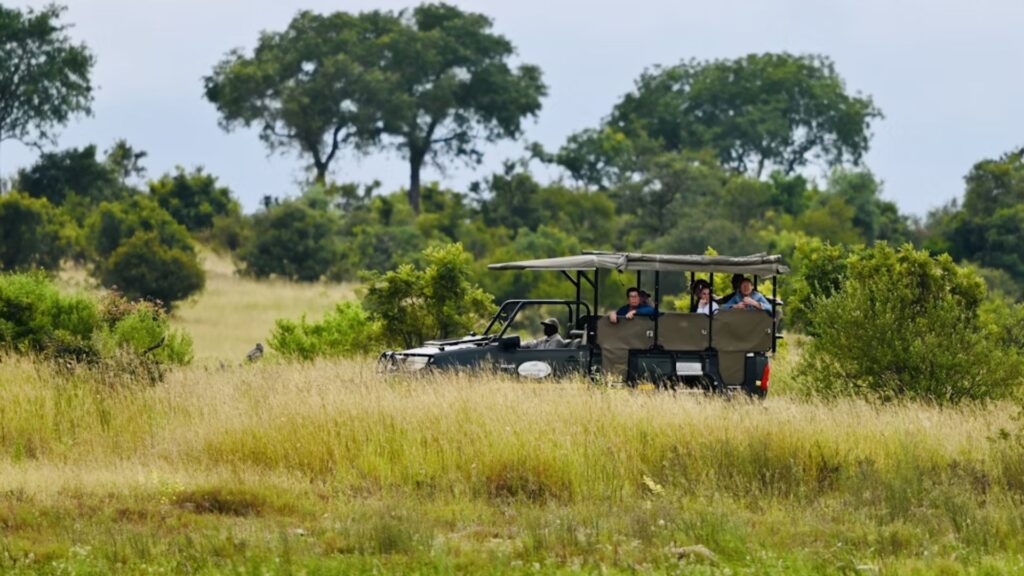
Schapira says that to have local support, people need to see rewilding as an alternative land use. The group now has 13 agreements with local entrepreneurs for ecotourism, including access to the horses, the only population in Spain, and other wildlife. Rewilding Spain has given more than 200,000 euros, about 232,000 dollars, in small loans. One loan bought a safari car so an operator can do safari trips to see the horses and taurus. The region is only a two-hour drive from Madrid, Spain’s most populous city.
Lynx and Vultures Could Return Next to Complete the Ecosystem
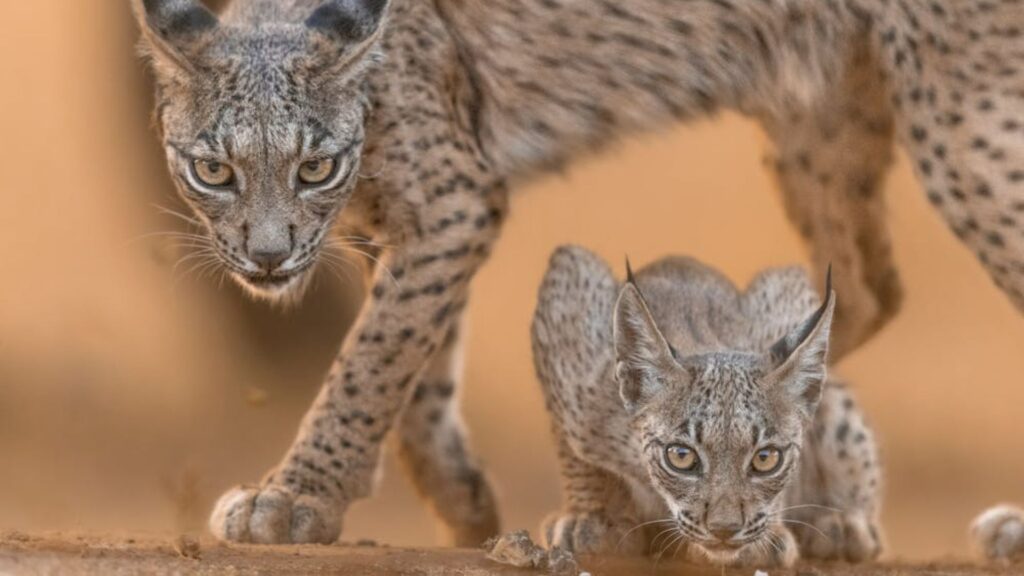
Rewilding Spain is currently working on building up the rabbit population so it can soon bring back the Iberian lynx, categorized as vulnerable on the IUCN Red List. The group is also working on bringing back cinereous vultures and bearded vultures, both listed as near threatened, to help restore scavengers to the ecosystem. Currently, Rewilding Spain has grazing rights over 23,000 hectares, nearly 57,000 acres, and hopes to have 30,000 hectares by 2030, with ambitions to impact 850,000 hectares, about 2.1 million acres.
PetsFanatic Team
Pet Care Expert & Content Creator
Passionate about sharing knowledge and tips for better pet care. Writing about everything from pet health to training techniques.