
Ancient ‘Bone Box’ Said to Belong to Jesus’ Brother Found, Deemed as a ‘Direct Archaeological Link’ to Jesus

A limestone bone box bearing an ancient inscription has captured worldwide attention. The 2,000-year-old ossuary features text reading “James, son of Joseph, brother of Jesus” in Aramaic script. Currently on display in Atlanta, Georgia, this remarkable artifact has sparked intense debate over its authenticity and its connection to biblical history. If genuine, it represents the earliest physical evidence of Jesus.
What is an Ossuary?

Ossuaries were limestone boxes used by wealthy Jewish families during the first century for storing bones of deceased relatives. After a body decomposed for about a year in a tomb cave, family members would collect the bones and place them in these containers for permanent storage. Over 10,000 such boxes have been discovered throughout ancient Israel, but only about 100 contain inscriptions identifying the deceased.
The Controversial Discovery

The James Ossuary first entered public consciousness in 2002 when its full inscription was revealed. Biblical archaeology expert Hershel Shanks presented it as the first direct archaeological link to the historical Jesus. The announcement generated immediate excitement among scholars and believers alike, but controversy would soon follow.
A Student’s Purchase

Israeli antiquities collector Oded Golan bought the ossuary as an engineering student, completely unaware of its potential historical significance. He acquired it from an antiquities dealer located in the Silwan area near Jerusalem’s Kidron Valley. The artifact sat in his personal collection for years, gathering dust before experts eventually examined the inscription’s full meaning and recognized its possible connection to Jesus’ family.
The Aramaic Inscription

French epigrapher André Lemaire carefully analyzed the cursive Aramaic script and determined it consistent with authentic first-century lettering styles. The inscription contains no chemical elements unavailable in the ancient world, supporting its age. Interestingly, the first part reading “James son of Joseph” appears more deeply incised than “brother of Jesus,” possibly indicating the two portions were carved at different times or due to variations in the limestone’s hardness.
Forgery Accusations Surface

In 2003, the Israeli Antiquities Authority formally accused Golan of forgery, claiming he deliberately added “brother of Jesus” to an authentic ancient inscription. The authority published a detailed report concluding the inscription was created in modern times and artificially aged using a chalk solution to mimic authentic patina. Criminal charges followed swiftly, launching what became internationally known as the “forgery trial of the century” in archaeological circles.
The Ten-Year Legal Battle

The forgery trial lasted a decade, featuring 116 hearings, 138 witnesses, and over 12,000 pages of transcripts. Multiple paleographic experts, bio-geologists, and epigraphers testified. In 2012, Golan was acquitted of forgery charges, though convicted of minor antiquities trading violations. The judge’s verdict left the authenticity question officially unresolved.
Chemical Tests Support Authenticity

Golan maintains unwavering confidence in the ossuary’s authenticity, supported by extensive chemical testing conducted by multiple laboratories. Chemical analysis particularly focused on examining the inscription itself, which he considers the artifact’s most critical element for verification. According to Golan’s statements, comprehensive tests proved conclusively that the entire inscription was engraved several thousand years ago during the first century, not added in modern times as prosecutors had alleged during the trial.
Statistical Analysis

Professor Camil Fuchs from Tel Aviv University conducted comprehensive statistical research examining first-century Jerusalem name patterns and population data. His detailed analysis projected that only approximately 1.71 people named James with a father named Joseph and brother named Jesus would have lived in Jerusalem during the ossuary’s time period. This remarkable statistical rarity significantly strengthens arguments supporting the bone box’s connection to the biblical James mentioned in the New Testament.
Display at Pullman Yards

The ossuary now appears prominently at Pullman Yards in Atlanta as the centerpiece of an exhibition featuring 350 historical artifacts from Jesus’ era. The comprehensive exhibit describes the bone box as potentially the most significant item discovered from the time of Christ. Thousands of visitors from around the world have traveled to view this controversial relic, which remains completely empty today, its ancient contents lost to history.
Biblical References to James

The New Testament mentions Jesus’ brothers multiple times throughout the gospels: James, Jude, Simon, and Joses are specifically named. James always appears first in these biblical lists, strongly suggesting he was the eldest sibling among Jesus’ brothers. According to the Gospel of Mark 3:21, Jesus’ family initially thought he was mentally unstable and went out to seize him, believing he was “out of his mind” during his early ministry activities.
James the Just

Despite early skepticism about his brother’s divine mission and ministry, James eventually became the first recognized leader of Christians in Jerusalem following the crucifixion. Known as James the Just for his righteousness, he led the Jerusalem church and moderated the important Jerusalem Council described in Acts 15. His leadership proved absolutely crucial for early Christianity’s development, organization, and theological direction during the movement’s formative years when persecution threatened believers.
The Martyrdom Question
Historical accounts differ significantly regarding James’ death circumstances and the specific details surrounding his martyrdom. Some ancient sources claim he was brutally stoned to death in 62 AD on direct orders from a Jewish high priest seeking to stop Christianity’s spread. Other historical accounts describe him being thrown from the Temple’s pinnacle by scribes and Pharisees, then clubbed to death below. Either way, his violent martyrdom reflected the early persecution that Christian leaders faced.
Connection to Talpiot Tomb
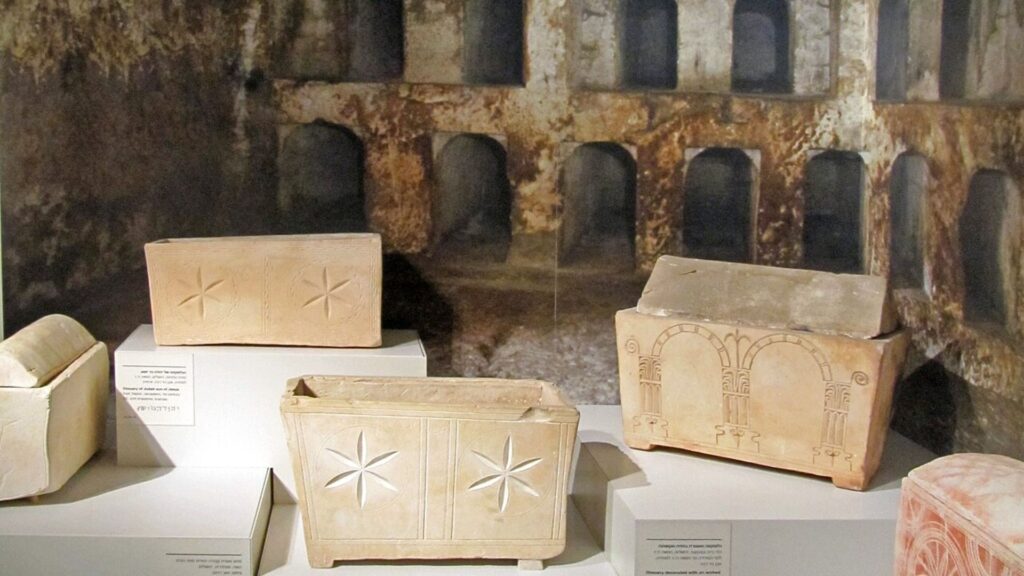
A comprehensive 2015 study investigated whether the James Ossuary originated from the Talpiot tomb, discovered in 1980 south of Jerusalem’s Old City in East Jerusalem. That controversial tomb contained six burial boxes with names matching Jesus’ family members: James, Joseph, and Mary among them. Chemical analysis conducted by researchers found matching chemical signatures between the James Ossuary’s patina and the boxes found in the Talpiot tomb, suggesting a possible common origin location.
Theological Complications

Some theologians question the ossuary’s authenticity based on Catholic doctrinal beliefs about Mary’s perpetual virginity throughout her entire life. This theological doctrine suggests Jesus had no biological siblings, making any bone box labeled as his brother’s remains highly problematic from a doctrinal perspective. However, numerous biblical scholars note that the New Testament clearly references Jesus’ brothers multiple times across different gospels, suggesting the historical reality of siblings in Jesus’ family.
The Missing Bones

The James Ossuary stands completely empty today, its original bone contents lost to history centuries ago. First-century Jewish burial practices involved initial decomposition in cave tombs, followed by careful bone collection and placement in ossuaries. Without the actual skeletal remains for scientific testing, DNA analysis that might definitively connect the ossuary to Jesus’ family and resolve authenticity questions remains impossible. The bones’ disappearance leaves crucial evidence forever missing from this archaeological mystery.
Ancient Document Discovery

In 2017, researchers discovered a 1,600-year-old text called the “First Apocalypse of James” among ancient manuscripts. This heretical document describes Jesus passing divine knowledge to James, referred to as his brother “though not materially” in the text. The manuscript forms part of the Nag Hammadi library, containing 52 religious manuscripts written between the second and sixth centuries AD. These texts represent Gnostic Christianity’s mysterious tradition, which mainstream churches deemed forbidden.
Expert Opinions Remain Divided

Paleographers continue fiercely debating the inscription’s authenticity across academic journals and conferences. Some world-class experts authenticate the Aramaic script as genuinely ancient based on letter forms and patina. Others maintain strong skepticism, particularly regarding the “brother of Jesus” portion’s legitimacy. The cleaning of the ossuary before its formal examination may have inadvertently complicated chemical analysis results, further muddying scientific conclusions about its true origin and making definitive authentication extremely challenging for researchers.
Most Common Names

Critics correctly point out that Joseph, James, and Jesus ranked among first-century Palestine’s most popular male names based on historical records. Could the inscription reference another James entirely, unconnected to biblical figures? The inclusion of “brother of Jesus” provides the crucial identifying detail that elevates this artifact’s significance. Ossuaries rarely mention siblings in their inscriptions unless that person was exceptionally prominent, well-known, or held significant social standing in the community.
The Mystery Endures

Whether authentic or forged, the James Ossuary represents a tangible connection to Christianity’s earliest days and continues fascinating believers and scholars. The artifact continues drawing large crowds and sparking passionate conversations about faith, history, and archaeological evidence worldwide. Though Golan’s acquittal cleared him legally of forgery charges, the verdict acknowledged it doesn’t prove the inscription’s ancient origin. The complete truth about this bone box may remain forever elusive to researchers and believers alike.
PetsFanatic Team
Pet Care Expert & Content Creator
Passionate about sharing knowledge and tips for better pet care. Writing about everything from pet health to training techniques.