
An Invasive Species Wiped Out in the 1980s Is Back in California, and Officials Think It Was No Accident
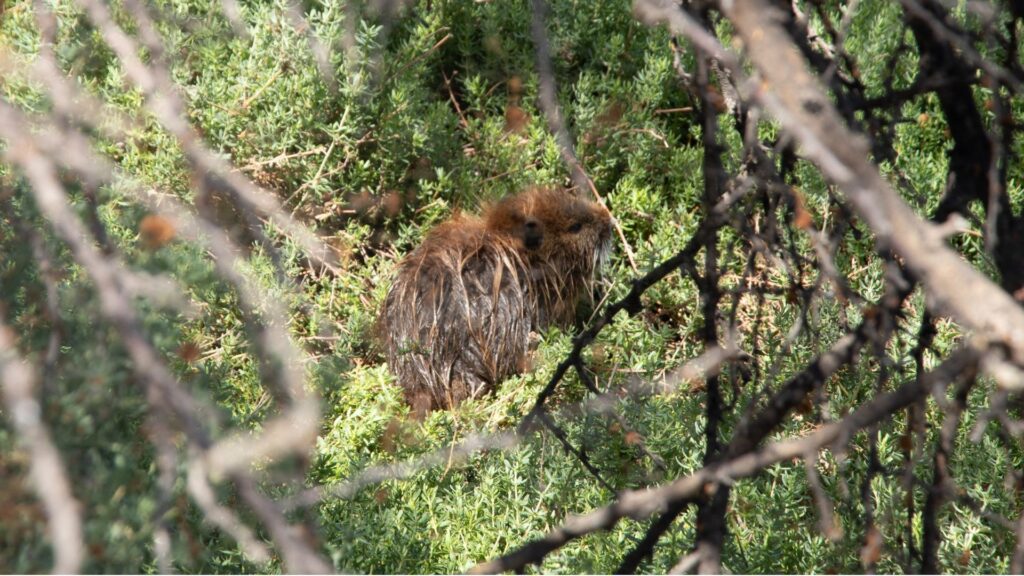
A large, destructive rodent that California spent years eliminating has returned, and new research suggests it didn’t wander back on its own. The California Department of Fish and Wildlife released a study pointing to a likely human role in the comeback of nutria, a semi-aquatic animal that poses serious risks to the state’s wetlands, crops, and water infrastructure. Officials say the data suggests someone brought them there on purpose.
The Rodent Vanished for Decades, Then Reappeared Without Warning

Nutria were considered eradicated from California by the early 1980s and remained absent for nearly four decades. That changed in 2017, when a pregnant female turned up in Merced County. The unexpected discovery left wildlife officials without a clear explanation for how the roughly 20-pound animal had returned after such a prolonged absence.
Genetic Testing Pointed Straight to Oregon

To understand where California’s nutria came from, the Department of Fish and Wildlife conducted genetic sequencing on the state’s current population. The results showed a close genetic match to nutria living in Oregon, not to any remnant California population. Michael Buchalski, the department’s wildlife genetics research lead, noted there are no nutria in the areas between Oregon and where the animals were rediscovered, making human transportation the most plausible explanation.
Nutria Arrived in North America Through the Fur Trade and Never Really Left

Nutria are native to South America and were first brought to the United States in the early 1900s for the fur trade, which never took off as expected. Oregon saw its first imported nutria in 1937, and feral populations eventually spread from there. Eradication campaigns followed across multiple states, including California, where the species was declared gone by the early 1980s before a rediscovery decades later upended that conclusion.
Someone May Have Brought Them Over on Purpose

Researchers offered several possible motivations for why someone might have transported nutria into California. Some people have historically used the animals to manage aquatic vegetation on private land, much like sheep or goats are used on dry land. Others simply keep them as animals they’re fond of. Officials also acknowledged the possibility of deliberate environmental sabotage, and said pinpointing the actual motive may never be possible.
Nutria Are Especially Destructive in California’s Climate

Nutria thrive in mild winters and reproduce quickly, conditions that California’s Central Valley provides in abundance. The animals are concentrated around the Sacramento-San Joaquin Delta, where they feed heavily on marsh vegetation and dig extensive burrow systems into riverbanks. The animals can consume a quarter of their body weight in vegetation daily, and their rapid reproduction makes population control a persistent challenge for the region.
Eradication Efforts Have Removed Thousands but Cost Millions Each Year

Since 2017, California wildlife officials have removed 7,841 nutria through a combination of trapping and releasing sterilized animals fitted with tracking devices. The ongoing eradication effort now costs the state roughly $5 million annually. The California Department of Food and Agriculture operates more than a dozen vehicle inspection stations at state entry points as part of a broader effort to prevent additional nutria or other invasive species from being brought in.
Bringing Nutria Into California Is Already Illegal

Nutria are classified as an A-rated pest by the California Department of Food and Agriculture, a designation reserved for pests that pose the greatest risk to agriculture and the environment. Transporting them into the state is prohibited. Despite that, the new research suggests the law may have been broken. Nutria Eradication Program Manager Valerie Cook said the findings reinforce what officials had long suspected: that the current invasion stems from reintroduction, not from a hidden surviving population.
The Threat Goes Beyond Wildlife

Beyond wetland damage, nutria pose a direct threat to California’s agriculture and water infrastructure. The animals can eat up to a quarter of their body weight in vegetation daily, wiping out crops and destabilizing riverbanks. Their burrowing is extensive enough that agriculture officials have warned it can weaken levees to the point of failure, a serious concern in a state that depends heavily on a complex network of water delivery systems.
Why Biosecurity Enforcement Matters

For officials, the nutria situation illustrates what can happen when protections for invasive species are ignored or circumvented. Whether the reintroduction was accidental, intentional, or even malicious, the result is a costly, ongoing problem with no easy resolution and consequences that could take years to fully reverse. Cook and other officials pointed to the findings as a reason to strengthen biosecurity measures, not just for nutria, but for invasive species broadly.
PetsFanatic Team
Pet Care Expert & Content Creator
Passionate about sharing knowledge and tips for better pet care. Writing about everything from pet health to training techniques.