
An Ancient Disease Is Making a Comeback in One US State, and Scientists Aren’t Sure Why
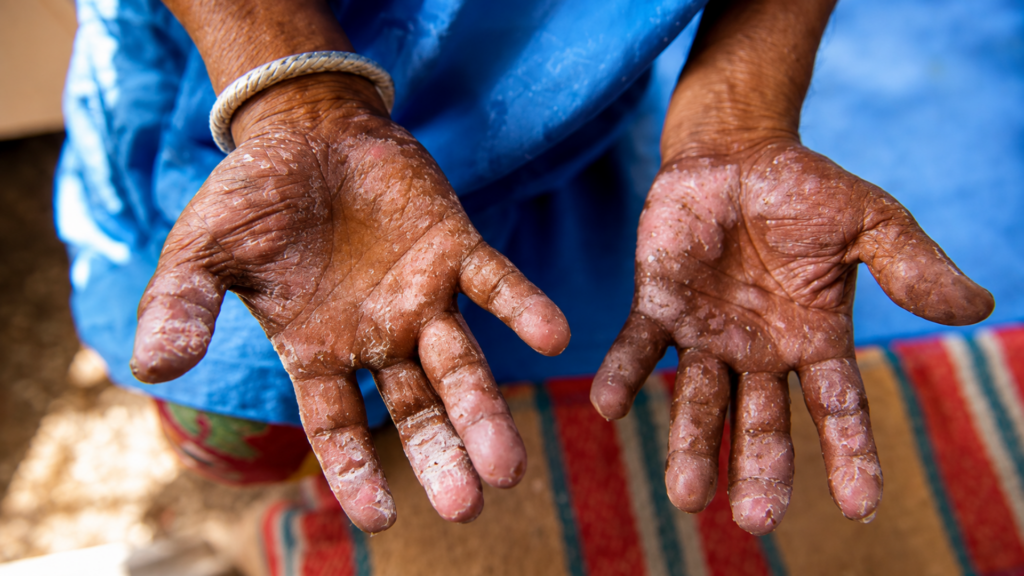
Florida just recorded 17 new leprosy cases in a matter of months, and doctors still cannot fully explain the pattern. The disease dates back thousands of years and carries associations with biblical plagues and medieval isolation wards. It never should have made a comeback in modern America. Yet state health data shows a steady climb in cases, most of them clustered in one region, with a surprising animal at the center of the investigation.
17 Cases Reported in Florida Since January

State health data shows Florida recorded 17 cases of Hansen’s disease, commonly known as leprosy, through mid-July of this year. That follows a record year in 2025, when the state confirmed 36 cases. Of those, 27 were determined to have been contracted locally, inside Florida’s borders, rather than during travel abroad. For a disease many assume was wiped out generations ago, those local numbers stand out to researchers tracking the state’s health data.
US Leprosy Cases Actually Fell Nationally in 2025

Nationally, the picture is more complicated. The National Hansen’s Disease Program reported 174 cases across the United States in 2025, a drop from 205 in 2024 and 225 in 2023. The Centers for Disease Control and Prevention says leprosy affects up to 225 Americans and roughly 250,000 people worldwide each year. Florida’s rising local caseload stands apart from that national decline, and researchers are trying to understand why.
Brevard County Emerges as the State’s Hotspot

Central Florida has become the epicenter. A 2023 report in the CDC’s journal Emerging Infectious Diseases found the region accounts for 81% of the state’s cases and nearly one-fifth of all cases reported nationwide. Roughly 223 cases were logged in Florida over the past decade, with the majority centered in Brevard County. Researchers at the University of Florida have been tracking the cluster closely, hoping to isolate what makes this region different.
Researchers Say the Disease May Now Be Endemic

Scientists still cannot fully explain the trend. That same 2023 report found rising infections among Florida residents who lacked any of the traditional risk factors, like travel abroad or known contact with an infected person. One case involved a landscaper with no clear exposure route, raising questions about environmental transmission. The findings led researchers to a striking conclusion: leprosy is probably now endemic in parts of the southeastern United States.
A Disease Once Linked to Sin, Explained by Science

Leprosy is caused by the bacteria M. leprae and can be traced back at least 4,000 years. Roughly 95% of people carry natural immunity to it, according to the National Hansen’s Disease Program, which helps explain why historical writers assumed only the “unpious” fell ill. Modern medicine tells a different story. The disease is treatable with standard antibiotics, and patients stop being contagious after just a few doses.
Symptoms Can Take Two Decades to Appear

Leprosy attacks the skin and nervous system, and symptoms can take up to 20 years to surface after exposure. The CDC and Cleveland Clinic list discolored or numb skin patches, swollen nodules, painless sores on the feet, and loss of eyebrows or eyelashes as early signs. Left untreated, the disease can progress further, damaging nerves, eyes, and the respiratory tract, and in advanced cases causing paralysis or permanent structural damage to the hands and nose.
Person-to-Person Spread Is Rarer Than History Suggests

Old depictions of leper colonies painted the disease as highly contagious, but that reputation was largely unearned. Hansen’s disease is believed to spread through airborne droplets, yet catching it typically requires prolonged, close contact with an untreated, infected person, according to the CDC, Cleveland Clinic, and National Hansen’s Disease Program. The risk to the general public remains very low. That fact pushed scientists to look elsewhere for an explanation, starting with a local animal.
Armadillos Carry the Same Bacteria as Human Patients

Nine-banded armadillos are known to carry M. leprae naturally, and a 2011 genome study found they likely passed the bacteria to humans in some cases. A follow-up study in 2015 confirmed the zoonotic range was expanding. Case numbers track closely with the animal’s habitat, and contact with armadillos is listed among the traditional risk factors in the 2023 report. Scientists now suspect that climate-driven habitat growth for armadillos could be feeding Florida’s rising local case count.
Gloves, Not Panic, Is the Advice From Health Officials

Researchers are also examining whether armadillo-contaminated soil, not just direct contact with the animals, can transmit the bacteria to humans. That theory has already changed public guidance. Health officials now recommend wearing gloves while gardening or digging in areas where armadillos are active, and they advise against handling, skinning, or eating the animals altogether. Leprosy remains rare and curable, but in Florida, avoiding one armored neighbor has become part of everyday precaution.
PetsFanatic Team
Pet Care Expert & Content Creator
Passionate about sharing knowledge and tips for better pet care. Writing about everything from pet health to training techniques.