
Almost Entire US State Hit With Troubling Weather Pattern, Meteorologist Urges Caution

A vast swath of the United States has been gripped by a troubling weather pattern that has brought heavy snow, freezing rain, and bitter cold to regions stretching from the southern Plains all the way into the Northeast, prompting meteorologists to urge residents to take extraordinary precautions as hazardous conditions continue to unfold. The National Weather Service and forecasters have described the event as unprecedented in its reach this winter season, with warnings and advisories covering most of an entire state and impacting travel, infrastructure, and public safety as temperatures plunge below freezing and ice accumulates on roads and power lines across multiple regions.
Meteorologists have highlighted that this storm system is not only vast but powerful, with combinations of moisture from the Pacific and Gulf of Mexico colliding with Arctic air, producing snow, sleet, and dangerously heavy ice across plains, southeastern areas, and the mid-Atlantic. These conditions have forced widespread flight cancellations, severe travel disruptions, and significant power outages across several states, illustrating just how debilitating the weather pattern has become as communities struggle to cope with the impacts and prepare for days of recovery.
Authorities are echoing expert warnings that residents should avoid unnecessary travel and be prepared for extended cold and icy conditions that could persist even after the snow and ice stop falling, because sub-freezing temperatures will slow melting and keep roads slick, complicating efforts by emergency and transportation crews to restore power and clear major thoroughfares.
What This Weather Means for Daily Life and Safety
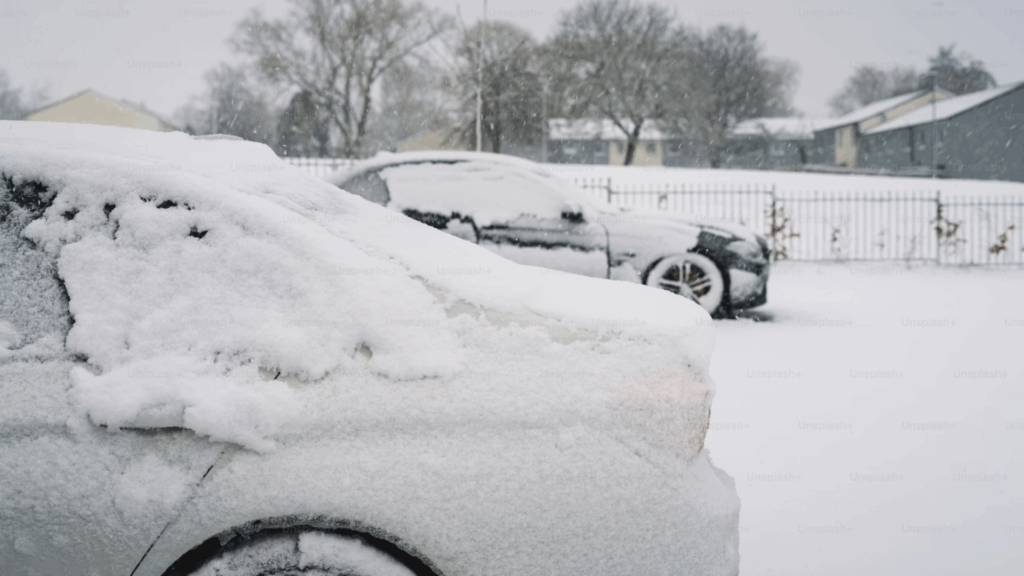
The troubling weather pattern has caused authorities to issue emergency declarations in multiple states, and citizens are being urged to stay indoors whenever possible as hazardous conditions threaten daily routines, school schedules, and local economies; roads coated with ice are making travel perilous, while heavy snow has forced closures and delays across metropolitan areas from Texas to the Northeast.
Power outages have become widespread in some regions, with hundreds of thousands of homes and businesses experiencing electrical disruptions that not only make it harder to stay warm but also affect communication and access to critical services. In states where infrastructure is not built to handle prolonged freezing conditions, the combination of ice, fallen trees, and frozen equipment has added strain to utility crews trying to restore normalcy while continuing to face dangerous weather as they work.
Meteorologists have warned that even after the heaviest snow and ice move out, bitter cold temperatures remain a serious concern, slowing cleanup and increasing the risk of hypothermia, frostbite, and traffic accidents, especially for vulnerable populations such as the elderly and people without reliable heating, underlining the importance of heeding alerts and preparing properly for a prolonged period of severe weather.
Why This Pattern Is So Widespread and What Comes Next

Weather experts explain that the enormous scale of this system stems from a powerful combination of moisture sources and Arctic air streaming south, which together have created conditions favorable for snow, freezing rain, and ice storms across a swath of the country that covers vast geographic distances, affecting areas that might not typically expect such extreme winter events, and increasing the potential for widespread disruption.
Forecasters are continuing to monitor the system closely, indicating that while some areas may see a temporary reprieve, another surge of cold air may lock in sub-freezing conditions for days, making cleanup slower and increasing the risk that additional snow or ice could compound challenges for transportation, emergency response, and power restoration.
Experts also note that this pattern adds to a season marked by intense and wide-reaching weather events, emphasizing that residents and officials alike should remain vigilant, update emergency plans, and maintain access to supplies, because the volatility of winter weather systems can lead to rapidly changing conditions that require quick adaptation and preparedness at local and state levels.
Critical Safety Tips as Weather Impacts Continue

Weather officials strongly advise staying off roads unless travel is absolutely necessary, as ice and snow buildup can cause vehicles to lose traction, lead to crashes, and leave motorists stranded in dangerously cold conditions, especially when emergency services are already stretched thin responding to multiple incidents across affected regions.
Residents should ensure they have adequate food, water, medications, and heat sources in case of prolonged outages, and families with infants, elderly members, or pets should take extra care to maintain warm indoor environments and limit exposure to frigid outdoor temperatures.
Staying informed through trusted sources such as the National Weather Service and local emergency management agencies can help people anticipate changing conditions and respond appropriately, because planning ahead and taking warnings seriously can make a substantial difference in staying safe and minimizing the disruption that such a large-scale weather event can cause.
PetsFanatic Team
Pet Care Expert & Content Creator
Passionate about sharing knowledge and tips for better pet care. Writing about everything from pet health to training techniques.