
Alaska Cleared to Resume Helicopter Bear Culling Ahead of Caribou Calving Season
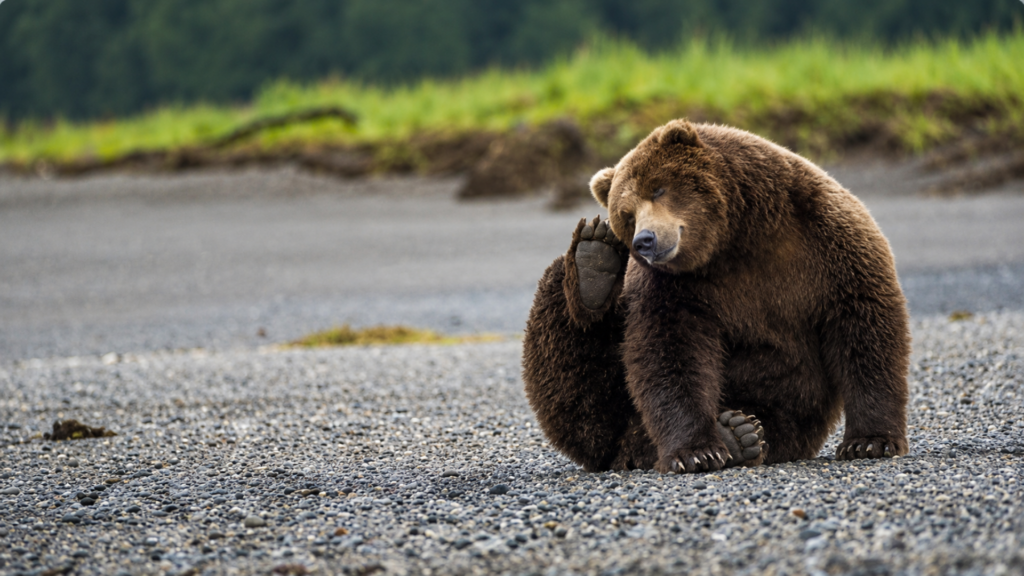
Alaska wildlife agents can officially resume shooting black and brown bears from helicopters following a decisive courtroom battle over the state’s intensive predator control policies. On May 6, 2026, Superior Court Judge Adolf Zeman denied a request from two major conservation coalitions to pause the state-sponsored cull, clearing the path for state marksmen to take to the skies. The highly contested decision allows the aerial operations to move forward just as vulnerable wildlife populations enter their most critical reproductive cycle.
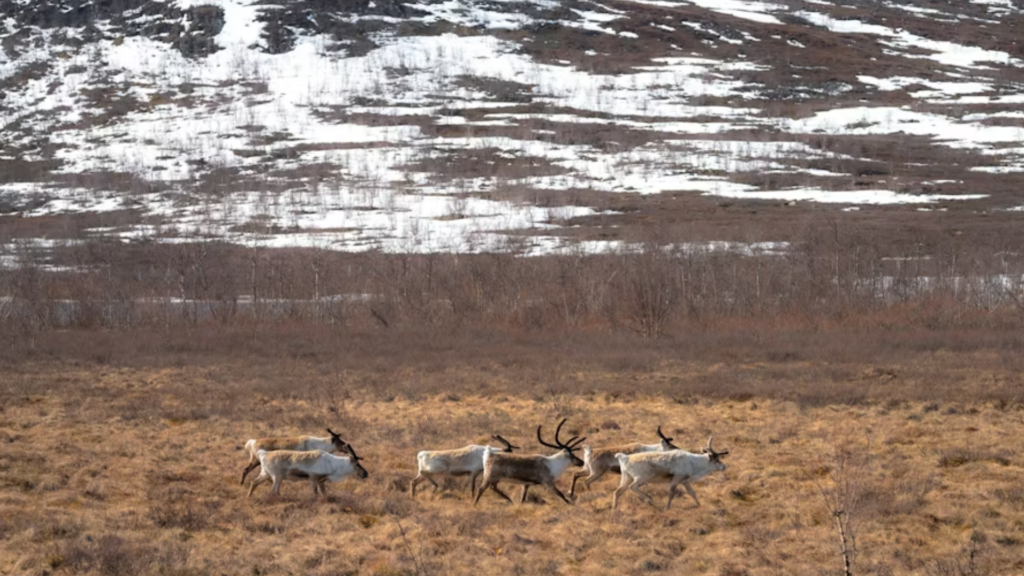
The timing of the legal green light is highly strategic for the Alaska Department of Fish and Game. Wildlife managers planned the resumption of the helicopter operations to align directly with the peak calving season of the struggling Mulchatna caribou herd in southwest Alaska. During these brief spring weeks, newborn caribou calves are exceptionally fragile and face high rates of predation from local carnivores, making the immediate landscape a high-stakes survival zone.
State officials maintain that aggressive predator control is an essential emergency measure to save the remaining ungulate population, which historically served as a critical nutritional resource for dozens of Alaska Native subsistence communities. According to state biological logs, the Mulchatna herd once thrived at a peak population of roughly 190,000 animals in the 1990s. However, the herd suffered a catastrophic long-term decline, plummeting to a mere 13,000 individuals by 2019 before stabilizing around 16,280 animals under recent protection protocols.
Scientific Foundations Disputed in the Courtroom
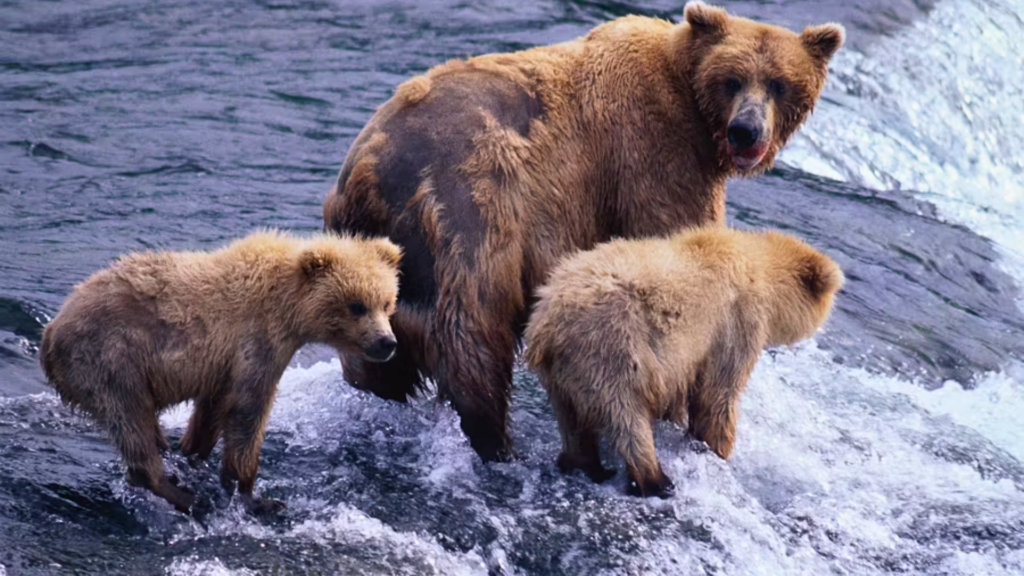
The legal challenge, mounted jointly by the Alaska Wildlife Alliance and the Center for Biological Diversity, sought a preliminary injunction to stop state agents from executing the aerial operations. The primary argument advanced by environmental attorneys is that the Alaska Board of Game is operating blindly, lacking verifiable, up-to-date scientific census data regarding the actual baseline populations of black and brown bears within the targeted 40,000-square-mile management zone. Opponents argue that without accurate population counts, the state cannot mathematically guarantee that the heavy culling is ecologically sustainable.
The legal battle represents the latest chapter in a multi-year procedural standoff between conservationists and state administrators. In early 2025, the Anchorage Superior Court originally found fault with the process, ruling that the state lacked adequate data on bear sustainability. When the Board of Game immediately countered by implementing emergency regulations to keep marksmen in the air, the court intervened again, striking down the secondary rule as a bad-faith attempt to circumvent judicial boundaries.
Despite the historical procedural infractions, Judge Zeman’s latest ruling determined that the conservation groups failed to meet the legal threshold required to secure an immediate preliminary injunction, noting they had not clearly demonstrated that the state lacked a reasonable basis for the plan. State attorneys successfully argued that administrative units took a hard look at available environmental factors before re-authorizing the current iteration of the program. Representatives from the Department of Law welcomed the decision, stating that continuing the tactical removals makes complete logical sense based on the scientific record.
Tracking the Realities of Intensive Predator Removal
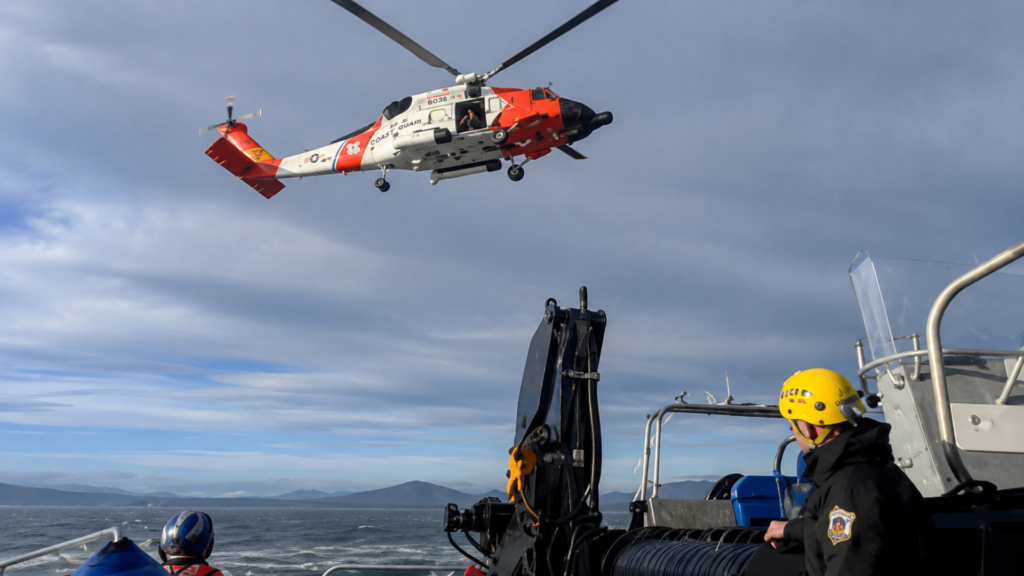
The financial and physical scale of the state-sponsored predator program is substantial. Historical field data tracking the intensive management zone reveals that wildlife agents killed a total of 180 bears between 2023 and 2024, with the vast majority of the culled animals classified as brown bears.
During a brief window of aerial operations executed in mid-2025 before the courts paused the emergency regulations, marksmen managed to terminate an additional 11 brown bears, bringing the total multi-year removal numbers close to 200 apex predators. “The herd has persisted at low numbers but started showing a positive response since 2023, when bear removal during calving seasons began,” state defense attorneys asserted in their formal court filings.
State wildlife biologists emphasize that the caribou herd has finally exhibited a positive, measurable stabilization trend since the initial spring culling windows commenced three years ago. Under the currently authorized framework, state agents are permitted to locate and shoot any black or brown bears spotted within the active caribou calving grounds. To offset public concerns regarding wasteful practices, the Department of Fish and Game mandates that all hides and skulls from the harvested animals must be fully salvaged and transported to regional centers for official tracking and processing.
Decoupling the Root Causes of Caribou Mortality
The ongoing reliance on heavy predator removal has exposed a deep, foundational disagreement regarding the primary drivers behind Alaska’s vanishing big-game herds. While the state focuses heavily on removing large carnivores to boost calf survival, wildlife advocacy groups point to alternative scientific literature that complicates the narrative. The Alaska Wildlife Alliance highlights a comprehensive 2020 study conducted by state biologists which concluded that the primary factors driving the Mulchatna herd’s original collapse were rampant disease outbreaks, such as brucellosis, and a severe lack of nutritional forage due to climate-stressed habitats.
Furthermore, independent mortality studies show that bears do not even rank among the top three causes of death for adult caribou or calves within the region. Environmental researchers note that alternative natural predators, specifically golden eagles, have historically carried off more newborn caribou calves than bears and wolves combined during intensive study years. Critics argue that using helicopters to eliminate hundreds of native bears is an unscientific approach that treats predators as disposable scapegoats while ignoring the deeper, structural issues of habitat capacity and disease management.
The legal clearance to resume aerial culling ensures that helicopters will remain an active feature of Alaska’s wildlife management matrix through the rest of the spring season. As attorneys representing the conservation groups evaluate their remaining appellate options, the state’s marksmen are moving forward with active patrols. The high-stakes experiment in southwest Alaska will continue to be watched closely by ecologists nationwide, serving as a prominent test case for whether intensive, top-down predator removal can truly rescue a vanishing species without permanently destabilizing the surrounding ecosystem.
PetsFanatic Team
Pet Care Expert & Content Creator
Passionate about sharing knowledge and tips for better pet care. Writing about everything from pet health to training techniques.