
Airport Officers Find Over 2,000 Live Queen Ants Hidden in Traveler’s Luggage

Airports handle thousands of bags every day, and security officers move through inspections expecting routine travel items inside most luggage. However, officers at Kenya’s main international airport recently uncovered a very different shipment during a security screening. Authorities discovered thousands of live queen ants concealed inside a traveler’s luggage.
Security staff at Jomo Kenyatta International Airport in Nairobi intercepted the passenger during a routine inspection before a scheduled flight to China. Officers began examining the suitcase and quickly noticed containers holding live insects packed inside. Continued inspection revealed additional ants hidden in narrow tubes and wrapped inside common travel items placed throughout the luggage.
Investigators later counted the insects and confirmed the traveler carried more than 2,000 queen garden ants. Officials say the species, known scientifically as Messor cephalotes, falls under international biodiversity protections. Authorities now believe the case connects to a broader ant trafficking operation supplying collectors in Europe and Asia.
Queen Ant Smuggling Attempt at Nairobi Airport
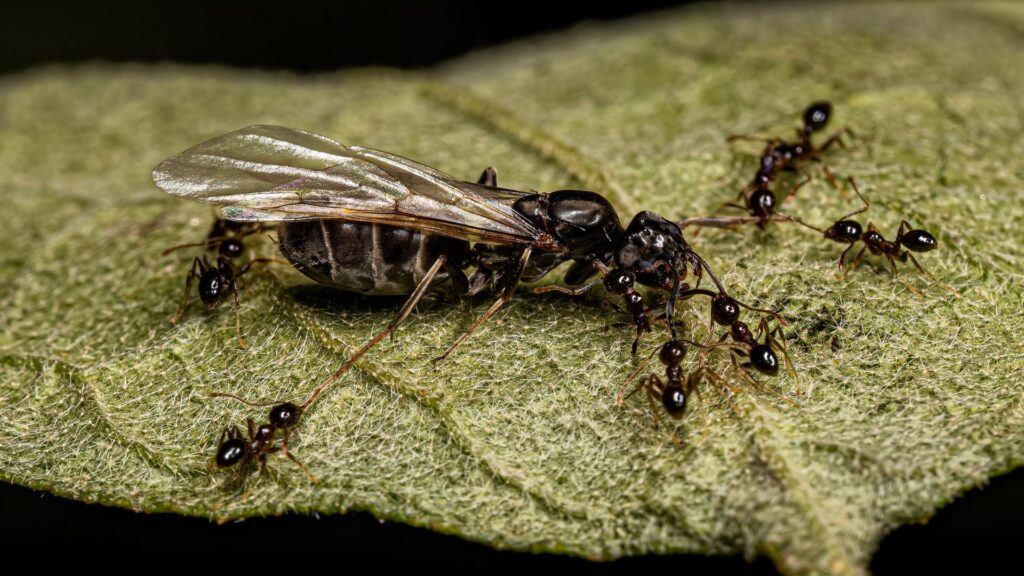
Authorities at Jomo Kenyatta International Airport in Nairobi detained a traveler after officers inspected luggage during a routine security screening. Officers opened the suitcase and uncovered containers holding live ants prepared for transport. Investigators soon identified the passenger as a Chinese national, Zhang Kequn.
Prosecutors later told the court that officers recovered 1,948 garden ants sealed inside specialized test tubes packed in the luggage. Officers continued searching through the suitcase, and the inspection uncovered about 300 additional live ants hidden inside three tissue paper rolls. Prosecutor Allen Mulama told the court, “Within his personal luggage, there was found 1,948 garden ants packed in specialised test tubes.”
Officials say the insects belong to giant African harvester ants known scientifically as Messor cephalotes. Kenya Wildlife Service officers now assist investigators reviewing the suspect’s phone and laptop. Detectives have also widened the inquiry across other Kenyan towns as authorities search for people connected to the harvesting network.
Illegal Trade in Giant African Harvester Ants
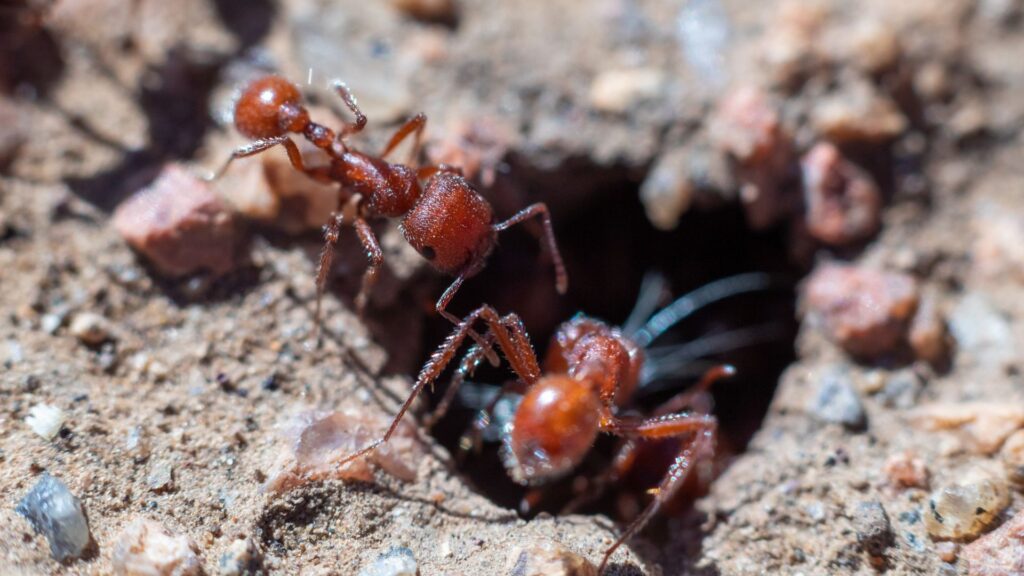
Kenya Wildlife Service officials say the ants recovered at the airport belong to giant African harvester ants known scientifically as Messor cephalotes. Investigators confirmed the species during evidence review, and that identification placed the case under international biodiversity agreements that regulate how certain wildlife can be collected and transported across borders.
However, authorities say growing interest from collectors overseas has increased demand for these ants in private insect colonies. Kenya Wildlife Service previously warned that hobbyists in parts of Europe and Asia actively seek queen ants, and that demand encourages harvesting operations that target queens capable of starting entirely new colonies.
Investigators now say the case may connect to a wider network involved in gathering ants across Kenyan towns. Kenya Wildlife Service officer Duncan Juma said additional arrests may follow as authorities expand the investigation. Detectives also requested a forensic examination of the suspect’s phone and laptop as the inquiry continues.
Expanding Investigation Into Ant Harvesting Networks

Kenyan investigators continue examining how thousands of queen ants reached the airport shipment, and that inquiry has pushed detectives toward harvesting activity reported in multiple Kenyan towns. Authorities believe collectors gather queen ants directly from natural colonies during seasonal emergence periods, and those insects then move through small supply chains before reaching international buyers.
Investigators also turned attention toward digital evidence connected to the suspect, and that review includes a phone and a laptop seized during the arrest. Prosecutors requested a forensic examination of those devices, and detectives expect communication records to reveal contacts involved in coordinating shipments and arranging transport before the airport interception.
Earlier enforcement activity has already signaled growing concern around insect trafficking. Kenyan courts previously sentenced four men after authorities intercepted thousands of queen ants prepared for export, and that prosecution marked one of the first criminal cases tied directly to large-scale ant smuggling under the country’s wildlife protection laws.
PetsFanatic Team
Pet Care Expert & Content Creator
Passionate about sharing knowledge and tips for better pet care. Writing about everything from pet health to training techniques.