
About 30% of Wildlife Species at Risk as Extinction Threat Grows

If you’ve noticed fewer butterflies in your garden or wondered why you don’t hear as many birds singing as you used to, you’re witnessing something much bigger than you might realize.
We’re living through what scientists call the sixth mass extinction, except this time it’s not caused by an asteroid—it’s us. About one million plant and animal species are currently on the brink of disappearing forever due to habitat destruction, overhunting, climate change, and pollution.
A Global Emergency in Numbers

The International Union for Conservation of Nature (IUCN) Red List paints a sobering picture of our planet’s biodiversity crisis, with over 47,000 species currently threatened with extinction—that’s 28% of all assessed species. Some groups are hit particularly hard: 41% of amphibians are at risk, along with 27% of mammals, 34% of conifers, and a staggering 44% of reef-forming corals.
Understanding what’s driving species toward extinction is crucial if we want to reverse this trend, and unfortunately, humans are behind most of the major threats.
Habitat Loss: Destroying Nature’s Neighborhoods
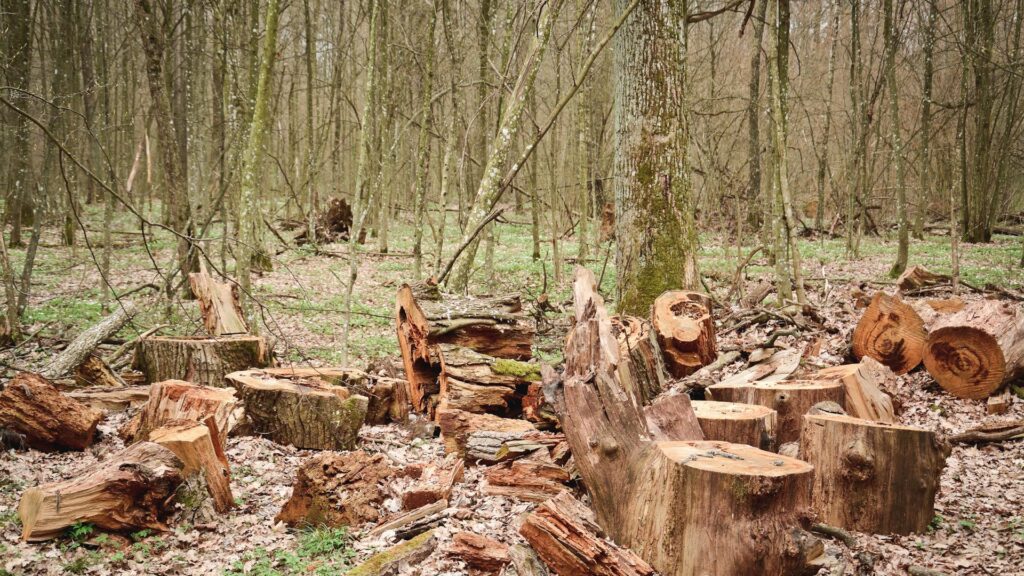
The biggest threat to wildlife is also the most straightforward—we’re destroying the places where animals and plants live.
Deforestation for agriculture, urban sprawl, and industrial development are fragmenting natural habitats into smaller patches that can’t support viable populations.
When a forest becomes a patchwork of roads and developments, animals can’t find mates, locate food, or migrate when conditions change.
Overexploitation: Taking More Than Nature Can Give

Humans have gotten incredibly good at extracting resources from nature, but we’re often taking more than ecosystems can sustainably provide.
Overfishing has collapsed marine food webs, illegal hunting and poaching have decimated populations of everything from elephants to pangolins, and even seemingly harmless activities like collecting rare plants can push species toward extinction.
Climate Change: Shifting the Rules of Survival

Rising global temperatures and changing weather patterns are rewriting the rules of survival for species that have spent thousands of years adapting to specific conditions.
Polar bears lose hunting grounds as Arctic ice melts, coral reefs bleach in warming oceans, and mountain species run out of cooler habitats as they’re forced to move higher up slopes.
Pollution: Poisoning the Web of Life

Chemical contamination, plastic waste, and other pollutants are creating toxic environments that wildlife simply can’t survive in.
Pesticides that kill insects also eliminate food sources for birds and bats, plastic debris fills the stomachs of marine animals, and chemical runoff creates dead zones in rivers and oceans where nothing can live.
When Nature’s Balance Breaks Down

The loss of biodiversity creates ripple effects that extend far beyond the individual species that disappear, fundamentally altering how ecosystems function and ultimately affecting human well-being.
When large animals like elephants or wolves vanish from an ecosystem, it can completely change forest structure, grazing patterns, and predator-prey relationships in ways that cascade through the entire food web.
Conservation Success Stories

While the overall trends are alarming, there are inspiring examples of species that have been pulled back from the brink of extinction through dedicated conservation efforts.
Black rhino populations are slowly recovering thanks to anti-poaching initiatives, while humpback whales have made a remarkable comeback since commercial whaling was banned.
Mountain gorillas have doubled their numbers through community-based conservation programs.
Everyone Has a Role to Play

The scale of the extinction crisis might seem overwhelming, but there are meaningful actions that individuals, communities, and governments can take to help protect wildlife.
Supporting sustainable products, reducing consumption, and choosing wildlife-friendly options can reduce pressure on natural habitats.
Voting for leaders who prioritize environmental protection, supporting conservation organizations, and creating pollinator gardens can all contribute to species recovery.
The Choice Is Still Ours
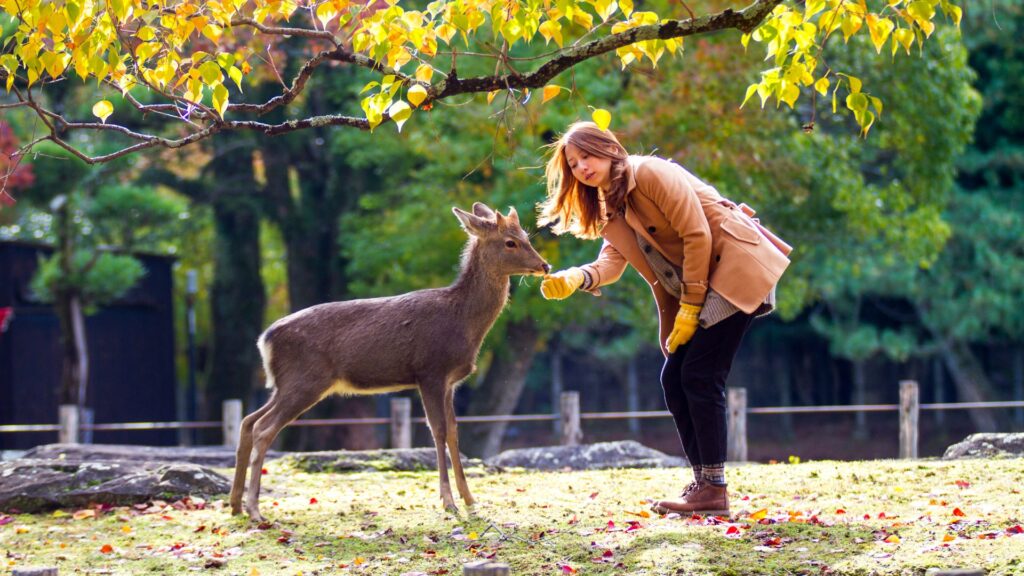
The current extinction crisis represents both humanity’s greatest environmental challenge and our most important opportunity to change course before it’s too late.
While we’ve caused unprecedented damage to the natural world, we also have unprecedented knowledge, technology, and resources to protect what remains.
The species we save today will be the foundation for tomorrow’s ecosystems, and every conservation success proves that a different future is still possible.
PetsFanatic Team
Pet Care Expert & Content Creator
Passionate about sharing knowledge and tips for better pet care. Writing about everything from pet health to training techniques.