
A Wildlife Expert Explains Why Befriending a Fox Could Actually Put It in Danger

It’s easy to feel flattered when a fox trots up to the back door expecting dinner. But one wildlife expert says that closeness could be putting the fox itself in danger. Some people are hand-feeding foxes, letting them into gardens, and even inviting them indoors as though they were pets. James Benwell, a senior marketing and communications officer at the Birmingham and Black Country Wildlife Trust, says the growing trend comes from good intentions.
The Expert Behind the Warning

James Benwell works as a communications officer for the Birmingham and Black Country Wildlife Trust. He said interactions with foxes should put the animals first rather than human enjoyment. Foxes need to retain their wildness to survive, he explained, and hand-feeding or overfeeding can create a harmful reliance on people that works against them in the long run.
Overconfidence Puts Foxes at Risk

According to Benwell, foxes that grow used to being fed by hand can lose their natural wariness of humans, even if the first few encounters go well. That overconfidence does not stay contained to one household, since a fox that approaches one stranger may approach the next, and not everyone reacts kindly. Losing caution around people, he said, can ultimately cost a fox its life.
Foxes Carry a Long History of Persecution
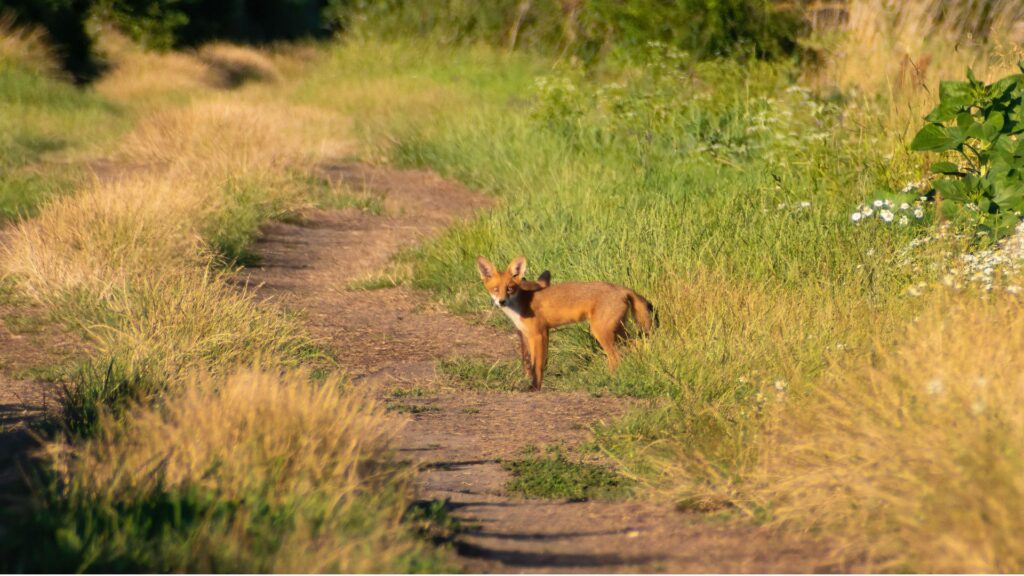
Foxes have also endured centuries of persecution and vilification at the hands of people, Benwell said. That history matters because a fox acting bold, even out of habit from being fed, can quickly get labeled a nuisance, reported as aggressive, and ultimately culled. One friendly encounter gone wrong can carry consequences that reach well beyond the fox involved in the long run.
Britain’s Fox Population Has Already Dropped Sharply

Between 1995 and 2021 alone, Britain’s fox population shrank by nearly half, a 46 percent decline that adds weight to Benwell’s concerns. He said responsible feeding, offering water and food that supplements a fox’s natural diet, can help the animals survive tough stretches such as heatwaves and winter. The distinction, he stressed, lies between supporting foxes and taming them outright.
What Wild Foxes Actually Eat

Urban foxes already have a varied diet that includes earthworms, beetles, cutworms, craneflies, feral pigeons, small garden birds and field voles, which are abundant on allotments and railway lines, according to the Wildlife Trust. Supplemental food can include cooked or raw meat, tinned dog or cat food, table scraps, peanuts, cheese and fruit. Grapes, raisins and bones should be avoided altogether.
Overfeeding Can Change Fox Behavior

Regular heavy feeding will not make a fox depend on a single household for survival, but the Wildlife Trust notes it can still make them bolder and less cautious around people. Some grow so used to handouts that they show up at the door expecting food, a habit that can leave people unsure whether the animal is being aggressive or simply curious.
Fox Attacks on People Remain Extremely Rare

Fox attacks on people remain rare, with only a handful reported each year, while dog bites send more than ten people a day to British hospitals, per the Wildlife Trust. Foxes may bite if cornered or startled, and if one wanders indoors, leaving the doors open is usually enough for it to flee. They pose little threat to children playing in a garden, since foxes generally show less fear of kids than adults do.
Hand Feeding Remains Strongly Discouraged

Hand feeding, overfeeding and befriending foxes are all things the trust actively discourages, even though the animals are striking and captivating to watch, Benwell said, and it is no wonder people are drawn to interact with them. Still, the safer approach is to leave food out at a distance rather than offer it by hand, keeping foxes wary of people while still getting a reliable bite to eat nearby.
Enjoy Foxes From a Respectful Distance

Backyard visits from foxes, hedgehogs or badgers remain among the most spellbinding wildlife encounters available, often sparking a lifelong love of nature, Benwell said. His advice is to garden with the animals in mind, offering food, shelter and water, but to let them live wild and free. As he put it, they will repay that respect more than people could ever imagine.
PetsFanatic Team
Pet Care Expert & Content Creator
Passionate about sharing knowledge and tips for better pet care. Writing about everything from pet health to training techniques.