
A Rare ‘Ring of Fire’ Solar Eclipse Will Arrive Early in 2026
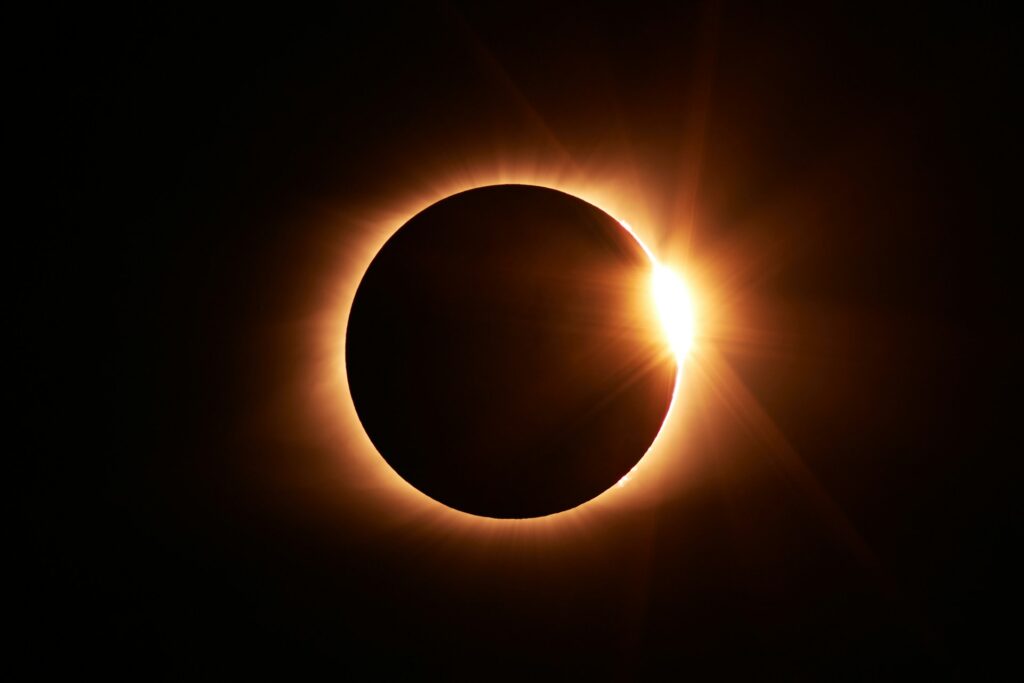
In early 2026, skywatchers across parts of the globe will be treated to a dazzling annular solar eclipse, often referred to as a “ring of fire.” Scheduled for February 17, this event will mark the first of several major solar eclipses forecasted over the next three years, kicking off what some astronomers are calling a “golden age” of eclipse activity.
An annular eclipse occurs when the Moon passes directly in front of the Sun but doesn’t completely cover it. Instead of the sky going completely dark, a brilliant halo of sunlight appears around the Moon’s silhouette. The result is one of the most visually striking sights in astronomy.
According to a detailed map from TimeandDate.com, this 2026 eclipse will be visible along a narrow path that stretches from the Pacific Ocean to parts of Chile and Argentina. Partial views will extend much farther, reaching swaths of South America, Antarctica, and even the southern tip of Africa.
Where and When to Watch

The February 2026 eclipse won’t be visible in North America, but that hasn’t stopped excitement from building among eclipse enthusiasts. Those living in or traveling to the southern hemisphere will have the best seats for this spectacle, especially in parts of southern Chile and Argentina where the ring phase will be most complete.
Writing in Space.com, science journalist Jamie Carter emphasized that this eclipse will serve as a “cosmic warm-up” to the total solar eclipse expected to sweep across the U.S. in August of the same year. “It’s rare to have two major solar eclipses in a single calendar year,” Carter explained. “This annular one may be a little overshadowed, but it’s still an incredibly beautiful and rare sight.”
Observers in Chile can expect the peak annular eclipse to occur just after sunrise, creating an even more dramatic visual as the Sun rises as a glowing ring over the horizon. In Argentina, the mid-morning timing may offer better lighting and atmospheric conditions for viewing.
What Makes It a ‘Ring of Fire’

Unlike a total solar eclipse, where the Moon fully blocks the Sun’s disk, an annular eclipse happens when the Moon is too far from Earth to completely cover the Sun. This leaves a fiery edge, sometimes called the “ring of fire”, visible around the Moon’s shadow.
The February 17 eclipse will be annular for up to 1 minute and 48 seconds at its peak, according to NASA’s eclipse projection data. But even areas experiencing only a partial eclipse will notice a subtle dimming of sunlight and a distinctive shift in the appearance of shadows.
Scientists from the European Space Agency have noted that annular eclipses can still offer important opportunities for atmospheric and solar research, especially when observed from high-altitude or desert environments. The thin ring of solar light allows for certain types of coronal imaging that aren’t possible during total eclipses.
Looking Ahead to a Busy Eclipse Cycle

This eclipse is just the beginning. The 2026 “ring of fire” will be followed by a total solar eclipse in August, visible from the western United States to northern Spain. From 2026 through 2028, Earth will experience three total and three annular eclipses, an unusually active period in the eclipse calendar.
Dr. Michael Zeiler, eclipse cartographer and founder of GreatAmericanEclipse.com, called it “a truly exceptional stretch for eclipse lovers,” in an interview with Forbes. “We’ll have opportunities on nearly every continent, and it’s the perfect time for educators and amateur astronomers to engage the public.”
For those unable to travel to the path of annularity in February, several astronomy organizations, including NASA and the European Southern Observatory, plan to livestream the event. And with growing public interest in celestial events, especially among Gen Z and younger viewers, this eclipse is expected to draw millions of virtual participants worldwide.
PetsFanatic Team
Pet Care Expert & Content Creator
Passionate about sharing knowledge and tips for better pet care. Writing about everything from pet health to training techniques.