
A Large Dog Could Be Eating More Than 2,000 Microplastic Particles a Day, New Study Estimates

Microplastics have already been found in drinking water, seafood, and even human blood. Now, researchers say pet food may be another source of exposure. A new study found microplastics in most commercially available pet food brands tested, with estimates suggesting a large dog could ingest more than 2,000 plastic particles a day under some conditions.
Researchers Tested 38 Pet Food Products

Scientists from the University of Sussex and the University of Exeter analyzed 38 commercially available products sold in the UK, including 16 dog foods, 14 cat foods, and eight hedgehog foods. They tested 228 individual samples collected from multiple production batches to reduce the chance that a single contaminated package would skew the results.
Most Brands Contained Microplastics

The researchers detected microplastics in 84% of the 19 brands examined, with 76% of all products testing positive in at least one sample. Overall, about 28% of the individual samples contained confirmed microplastic particles. Lead researcher Emily Thrift said the findings included several well-known brands, though the study deliberately did not identify specific manufacturers.
Some Dogs Could Consume Thousands Of Particles Daily

The researchers estimated that a 35-kilogram (77-pound) dog eating wet food could ingest about 313 microplastic particles per day under average conditions. In a worst-case scenario based only on contaminated samples, that estimate rose to approximately 2,314 particles daily. Wet food resulted in a higher daily intake because dogs typically eat much larger portions to meet their calorie needs.
Dry Food Had More Plastic Per Gram
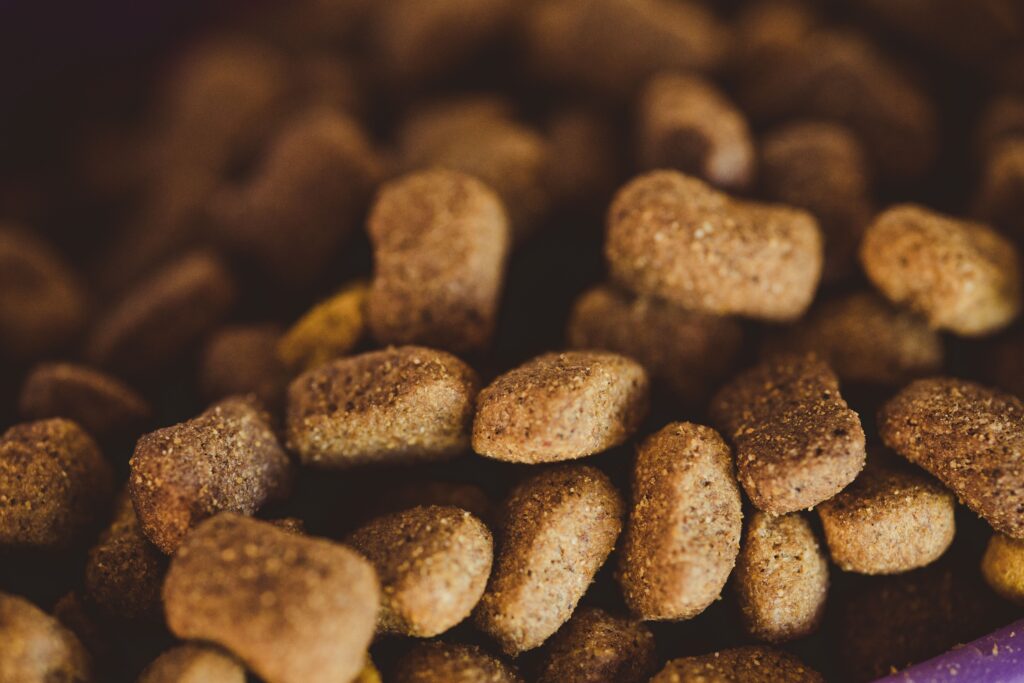
The study found that dry pet foods generally contained more microplastic particles per gram than wet foods. However, because wet foods have lower calorie density and require larger serving sizes, total daily exposure may actually be greater for pets eating canned or pouch-style meals.
Where Are The Plastics Coming From?

The researchers could not determine exactly where the contamination originated. Possible sources include ingredients such as fish or crops, food processing equipment, manufacturing facilities, and plastic packaging materials. Polyester was the most commonly identified polymer, followed by polyacrylamide, polyethylene, and polypropylene.
Cheaper Foods Showed More Contamination

Value-priced products generally contained more positive samples than premium brands, although no category was completely free of contamination. The study also found that about 90% of the chicken-based products tested contained at least one sample with microplastics, suggesting the issue may affect a broad range of commercially available foods.
The Health Effects Remain Unclear

The researchers emphasized that the study was designed to measure contamination, not to determine whether the detected microplastics harm pets. While previous research has linked microplastics to health concerns in laboratory settings, scientists say more work is needed to understand how long-term exposure affects dogs, cats, and other animals that often eat the same food every day.
Experts Also See An Environmental Concern

Researchers say pets could unknowingly spread microplastics into the environment through their waste. Wildlife such as hedgehogs, foxes, and badgers often eat pet food left outdoors, creating another pathway for plastics to move through terrestrial ecosystems. The researchers say this represents a previously overlooked source of environmental contamination.
Pet Owners Shouldn’t Panic, But Scientists Want More Answers

The researchers did not conclude that commercial pet food is unsafe, and industry representatives say existing products comply with food safety standards. Food safety officials also say current evidence does not suggest microplastics in pet food are likely to cause harm, although they continue to monitor new research. Scientists are now calling for further studies to identify the main sources of contamination and determine whether additional testing or regulations are needed.
PetsFanatic Team
Pet Care Expert & Content Creator
Passionate about sharing knowledge and tips for better pet care. Writing about everything from pet health to training techniques.