
A Global Rescue Mission Welcomes Two of the Rarest Lions on Earth
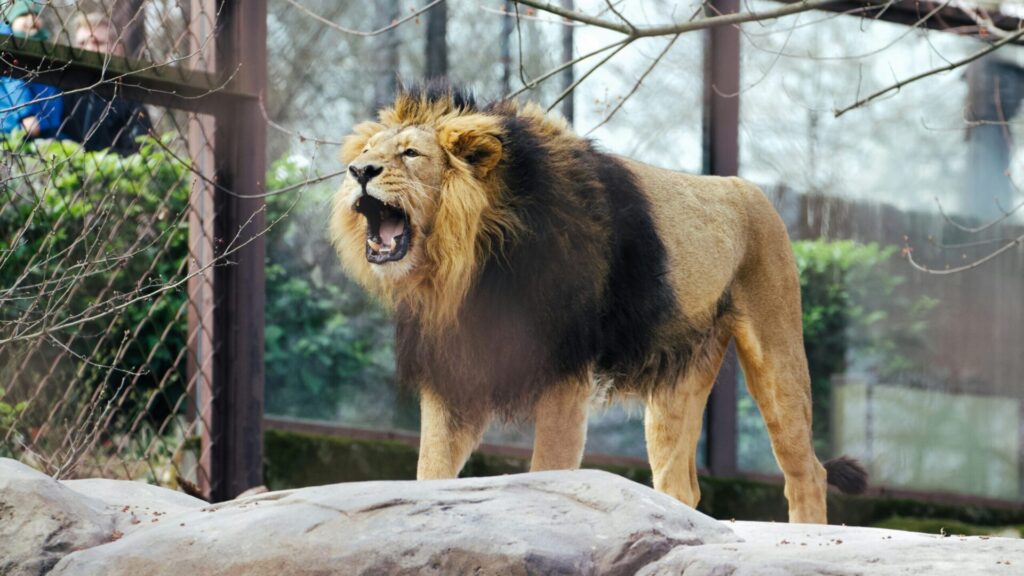
A male lion named Nilay and a female named Shanti have been introduced at Chester Zoo as part of an international conservation breeding program.
The pair were transferred from zoos in Germany and London after experts confirmed they were a strong genetic match.
Both lions are around two years old, an age when young lions naturally begin forming new bonds. Conservationists hope the pairing will eventually lead to cubs, strengthening the global safety population of the species.
Early Signs Point to a Promising Bond

Zoo staff report that the lions formed an immediate connection after being introduced in a controlled environment.
Keepers observed playful behavior and affectionate head rubbing, suggesting the pair are comfortable with one another.
According to Chester Zoo, these early interactions are an encouraging sign that the lions may successfully form a long-term bond.
Why These Lions Matter So Much

Asiatic lions are among the rarest big cats on Earth, with fewer than 900 remaining in the wild.
All surviving wild lions live in a single forest region in India, leaving the species highly vulnerable to disease, habitat loss, and environmental disasters.
Experts warn that without conservation intervention, Asiatic lions could follow the same path as the Barbary and Persian lions, which vanished entirely.
Zoos Play a Critical Role in Survival

International breeding programs help maintain genetically diverse populations of endangered species in case wild numbers collapse.
Zoos like Chester serve as a backup population while also supporting habitat protection and conservation projects abroad.
Distinct from African lions, Asiatic lions have shorter manes, smaller foreheads, and a unique belly fold. Their powerful roar can reach up to 114 decibels, echoing the importance of preserving one of the planet’s most iconic animals.
PetsFanatic Team
Pet Care Expert & Content Creator
Passionate about sharing knowledge and tips for better pet care. Writing about everything from pet health to training techniques.