
A Crack So Massive It’s Visible From Space Just Split One of North America’s Largest Lakes
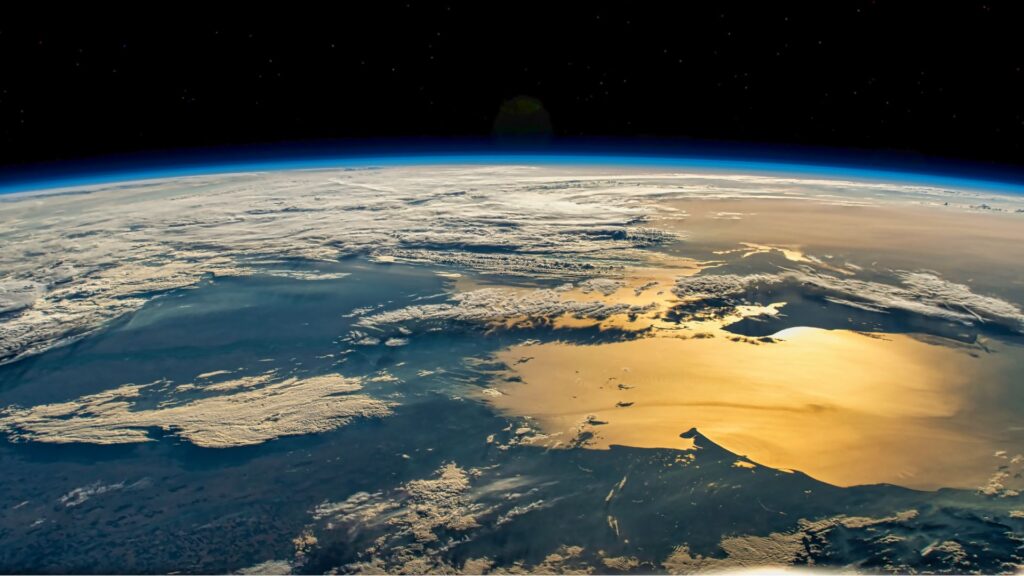
When winter temperatures intensified across North America, nearly the entire surface of Lake Erie turned to ice. Positioned between the United States and Canada, the lake reached approximately 94 percent ice coverage in February, significantly higher than the seasonal average of 65 to 70 percent, according to data from the National Weather Service office in Cleveland. Although Lake Erie has approached full freeze several times in recent decades, such extensive coverage remains uncommon.
Amid this deep freeze, a remarkable fracture emerged across the frozen surface. Stretching more than 80 miles, the crack formed rapidly and cut through the central portion of the lake. The scale of the split was so substantial that it became visible in satellite imagery captured from orbit, drawing attention from meteorologists and observers alike.
Lake Erie, spanning roughly 9,910 square miles, is one of the largest freshwater bodies on the planet. Its relatively shallow depth makes it particularly responsive to temperature shifts, which explains why it typically freezes earlier than the other Great Lakes and thaws sooner in spring, as noted by NASA. This unique characteristic amplifies the impact of extreme cold events on its surface.
A fracture captured from orbit

Chris Vickers, chief meteorologist at WTOL, shared satellite images of the phenomenon on social media, explaining that the fissure developed within just a few hours. Most of the separation occurred in less than six hours, an unusually swift process for a fracture of that magnitude. Its rapid formation, combined with its length, distinguished it from the smaller, more common cracks that typically appear during winter.
The fracture was detected by the GOES-19 satellite, allowing near real time observation under clear skies. The visibility from space intensified public interest, as viewers could watch the ice divide through time lapse animations available on the DIS STAR Satellite Application and Research platform. Such clarity provided rare insight into how dynamic frozen lake surfaces can be.
While ice cracking during winter is not unusual, the dimensions of this event set it apart. Experts note that temperature fluctuations, wind stress, and subtle shifts in pressure across the frozen sheet can generate fractures ranging from minor lines to extensive separations. In this case, the scale underscored the powerful forces at work beneath what often appears to be a stable surface.
Local reactions and safety concerns

The striking images quickly circulated online, prompting strong reactions from residents familiar with the lake. Some described hearing thunderous booms and feeling vibrations similar to an earthquake as the ice shifted. Longtime ice fishermen remarked that they had rarely experienced such dramatic movement in decades of visiting the lake.
High ice coverage this season also attracted thousands of recreational anglers. Although large cracks can form each winter, their unpredictability presents real hazards. Expanding gaps and drifting ice floes may separate sections of ice, potentially stranding individuals if conditions change abruptly. Meteorologists emphasized that, fortunately, this particular fracture did not occur in a heavily used fishing area.
Organizations such as Clean Lakes Alliance explain that frozen lakes often produce loud sounds during cold months, from echoing rumbles to sharp explosive noises. These acoustic effects result from expanding and contracting ice sheets adjusting to temperature variations, a natural but sometimes startling process.
What this event reveals about winter dynamics
The visibility of the fracture from space illustrates how quickly environmental conditions can reshape even vast freshwater systems. Lake Erie’s shallow profile makes it especially sensitive to rapid atmospheric changes, amplifying the visual impact of winter extremes.
Meteorologists caution that similar separations later in the season could pose greater risks, particularly if they occur near popular recreational zones. As winter progresses, shifting ice becomes a focal point for safety monitoring, since large floating sections may drift under the influence of wind and currents.
Ultimately, the event serves as a reminder that frozen landscapes are far from static. Beneath a seemingly solid surface, natural forces continue to operate, reshaping ice in ways that are both visually striking and scientifically significant.
PetsFanatic Team
Pet Care Expert & Content Creator
Passionate about sharing knowledge and tips for better pet care. Writing about everything from pet health to training techniques.