
8 Heartbreaking Ways Animals Grieve Their Dead

Animals feel grief too, and when they show it, it can be unexpectedly emotional to witness. These moments are as tender as they are heartbreaking. These creatures feel the sting of loss, and sometimes, they let the world see it. Here are eight powerful examples of animals mourning in ways that will stay with you long after you’ve read them.
Elephants Revisiting the Bones of Loved Ones

In Africa’s wild savannas, elephants have been seen gently touching the bones of their dead, often with their trunks lingering on skulls and tusks. These moments aren’t quick or random. The herd pauses, surrounds the remains, and spends time there, almost like a graveside visit.
Elephants don’t do this with bones of other species, just their own. Scientists believe it shows a deep emotional connection, especially since they revisit the same sites even years later. There’s a quiet reverence in how they mourn, and it’s impossible not to feel moved watching such gentle giants honor their lost.
Orcas Carrying Their Dead Calves for Days

In 2018, a female orca named Tahlequah swam 1,000 miles while pushing her dead calf through the water. For 17 days, she refused to let go, nudging and lifting the body with her nose, over and over again. Researchers had observed mourning behaviors in whales before, but never with such persistence. It wasn’t just grief; it was a protest. Her calf lived for only 30 minutes, and her refusal to let go stirred global attention. The orca pod stayed with her the whole time, almost like a support group. It was a marine funeral the world couldn’t ignore.
Crows Holding Funerals for Fallen Flockmates

Crows are known for their eerie intelligence, but they also hold what look like funerals. When a crow dies, others gather silently around the body. Sometimes, the gathering lasts for hours. Scientists believe they’re not just mourning, but studying what caused the death to protect the group. But there’s no denying the emotional tone of the scene. Watching a tree full of silent crows surrounding one of their own is haunting. It’s a reminder that even the cleverest birds have hearts that feel loss.
Chimpanzees Staying Beside Their Dead Infants
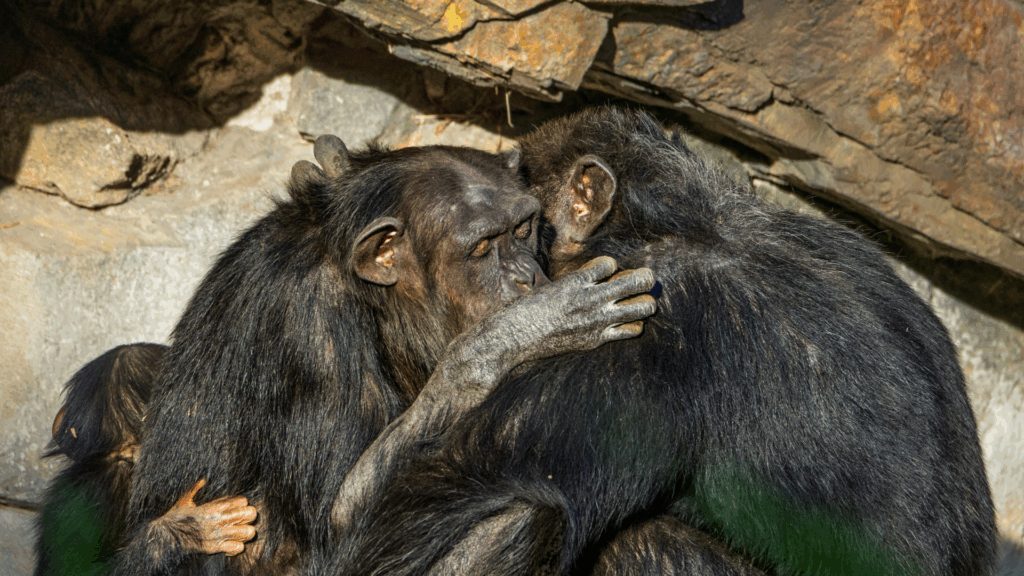
In the forests of West Africa, chimpanzee mothers have been observed carrying their dead babies for days or even weeks. They groom them, hold them, and refuse to leave them behind. These aren’t quick reactions. The mothers often lose weight, and their distress is visible. Some eventually set the bodies down gently and walk away, while others seem unable to let go.
Dolphins Refusing to Abandon Their Deceased

Dolphins, often seen as the comedians of the sea, have a heartbreaking side too. Several times, scientists have spotted dolphins pushing the bodies of dead companions or calves through the water, refusing to let them sink. They even call out with high-pitched clicks, as if trying to wake them up.
These displays can go on for hours or longer. Some dolphins have been seen trying to keep the body afloat or nudging it toward boats or beaches. It’s a powerful picture of devotion, showing that even under the surface, emotions can run incredibly deep.
Dogs Waiting for Their Owners Who Never Return

The story of Hachikō, the loyal Akita who waited at a Tokyo train station every day for nine years after his owner died, is a classic. But similar stories pop up around the world.
Dogs have been found lying on graves, returning to the last place they saw their humans, and even refusing food. Their devotion doesn’t fade just because someone is gone. Scientists agree that dogs can feel loss, especially of people or other animals they have bonded with.
Magpies Bringing Grass to a Fallen Friend
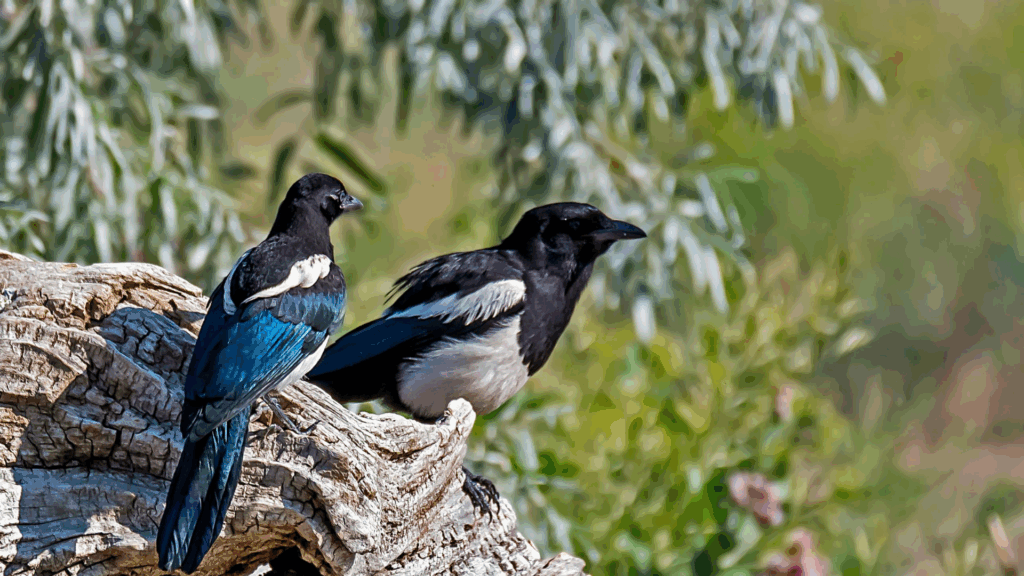
In a surprising show of empathy, researchers once witnessed a group of magpies responding to a dead companion in a way that seemed almost ceremonial. One bird brought a blade of grass and laid it beside the body. Others followed, dropping twigs and standing silently around their friend. The behavior wasn’t aggressive or curious, but it looked like mourning.
Magpies are part of the corvid family, like crows, and their intelligence often mirrors emotional depth. These small acts of farewell offer a glimpse into the social lives of birds that are often overlooked but feel loss just as sharply.
Giraffes Standing Guard Over Their Dead Calves

Though giraffes are often seen as aloof and elegant, mothers have shown an incredible capacity for grief. In one documented case, a giraffe stood beside her deceased calf for hours, refusing to move. She circled the body, nuzzled it, and kept returning even after other animals wandered past. Some giraffe mothers have been observed staying for more than a day. While giraffes are usually quiet and solitary, their mourning speaks volumes. It’s not loud or dramatic, but the stillness and refusal to leave show a connection that doesn’t break easily.
Grief doesn’t follow rules…

Whether they mourn loudly or silently, their actions tell us something powerful. Love and loss aren’t just human experiences. They happen in the wild, in the water, in the skies. These moments are raw and unforgettable, reminding us that emotional depth exists far beyond our species.
PetsFanatic Team
Pet Care Expert & Content Creator
Passionate about sharing knowledge and tips for better pet care. Writing about everything from pet health to training techniques.