
70+ Hiking Trails Forced to Shut Down as Climate Crisis Creates ‘Never Before Seen’ Conditions

Officials across multiple countries are shutting down hiking trails at an unprecedented pace. What once seemed like isolated closures has become a global pattern. Experts point to overlapping environmental and human pressures. Together, they are reshaping access to some of the world’s most treasured landscapes.
Climate Instability Is Making Trails Dangerous

Rising global temperatures are destabilizing terrain once considered safe for hikers. In alpine regions, thawing permafrost has loosened rock formations and increased landslides. Officials say the frequency and scale of these events are historically unmatched. Entire trail systems are now considered too unpredictable to reopen.
The Alps Offer a Stark Warning

Northern Italy has seen dramatic increases in rockfalls along popular mountain paths. Alpine experts describe the situation as unprecedented in both speed and severity. Switzerland has closed dozens of routes as a precaution against similar risks. These closures reflect a broader shift in how mountain environments behave under warming conditions.
Tourism Pressure Compounds Environmental Damage

Climate change is not acting alone. Surging tourism has strained trail infrastructure beyond its limits. Popular destinations face erosion, crumbling paths, and overwhelmed maintenance crews. In many regions, funding cannot keep pace with rising foot traffic.
Entry Fees Signal a New Era for Nature Access

Authorities in countries like Japan and Portugal have increased access fees to protect natural sites. These measures aim to control crowd size and fund essential repairs. Mount Fuji has become a clear example of how unmanaged tourism can accelerate environmental decline. Higher costs reflect the growing price of preservation.
Hiking Leaves a Larger Footprint Than Many Realize

Even well intentioned hikers can unintentionally damage fragile ecosystems. Leaving marked paths erodes soil and destroys vegetation that wildlife relies on. Human presence can also alter animal behavior over time. These disruptions often ripple far beyond the visible trail.
Wildlife Faces Hidden Consequences

Repeated contact with humans can make animals less cautious around food sources. This shift increases the risk of aggressive encounters. In extreme cases, wildlife managers are forced to intervene for public safety. Such outcomes highlight how human recreation can create life or death consequences.
Trash and Illegal Dumping Add to the Crisis
Increased foot traffic often brings increased waste. Some natural areas become dumping grounds for food packaging and household trash. Wildlife scavenging this waste can ingest harmful materials. The result is injury, illness, or death for animals already under stress.
What Responsible Hiking Looks Like Now

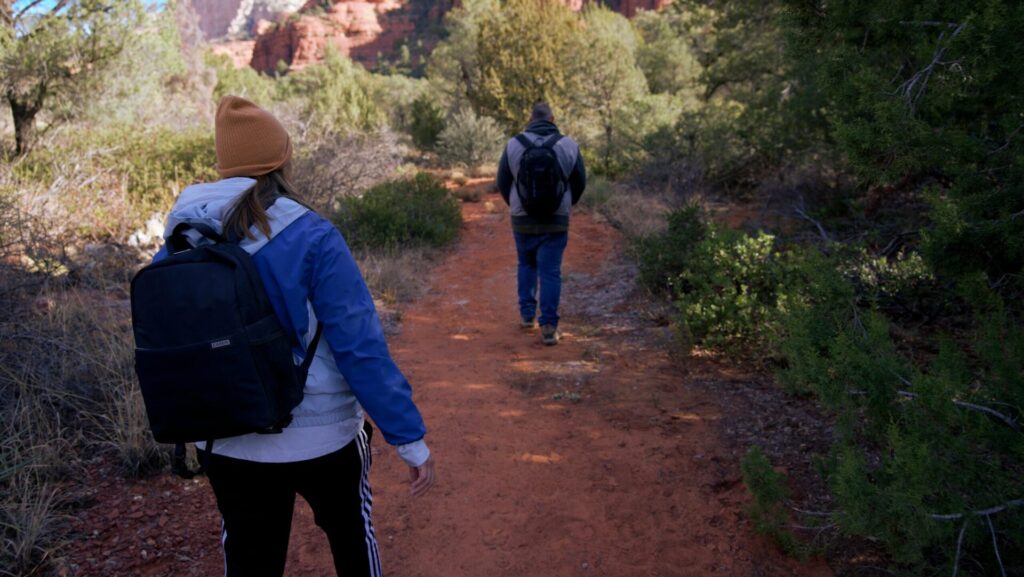
Experts urge hikers to remain strictly on designated paths. Volunteering with local conservation groups helps offset maintenance shortages. Choosing low impact travel options can reduce the broader environmental burden. Individual choices still matter within a global problem.
A Reckoning Between Recreation and Responsibility

The closure of hiking trails signals more than temporary inconvenience. It reflects a deeper tension between human access and environmental limits. Protecting these landscapes will require restraint, funding, and long term planning. Without change, the places people hike to escape the crisis may no longer exist to visit.
PetsFanatic Team
Pet Care Expert & Content Creator
Passionate about sharing knowledge and tips for better pet care. Writing about everything from pet health to training techniques.