
55 Whales Stranded on a Beach Because They Refused to Leave One Behind

A tragic mass stranding involving 55 long finned pilot whales has been linked to their strong social bonds rather than external disturbances. The incident occurred on Isle of Lewis, where the animals were found stranded along the shoreline.
Researchers believe the pod followed a distressed member into shallow waters, ultimately leading to their deaths. The whales, known for their deep social cohesion, remained together even as conditions became dangerous.
The findings challenge earlier assumptions that such events are primarily caused by disease or human related disturbances, offering a more nuanced explanation rooted in behavior and environment.
Scientists Identify Difficult Birth as Triggering Event

The investigation, led by experts from the Scottish Marine Animal Stranding Scheme, identified a female whale experiencing a difficult birth as the likely trigger.
Postmortem analysis revealed that the female had been undergoing prolonged labor, which may have prompted the rest of the pod to stay close in support.
This collective response, while essential for survival in the open ocean, appears to have unintentionally guided the group into a hazardous coastal area where escape became impossible.
Shallow Waters and Acoustic Conditions Worsened Situation

Environmental conditions also played a crucial role in the stranding. The whales entered shallow waters with a gently sloping seabed, making navigation more difficult.
Scientists suggest that the area may have acted as an acoustic trap, interfering with the whales’ echolocation abilities and reducing their capacity to detect safe routes back to deeper water.
As a result, the pod became disoriented and stranded, highlighting how natural geography can amplify the risks faced by marine species.
Rising Frequency of Strandings Raises Broader Concerns
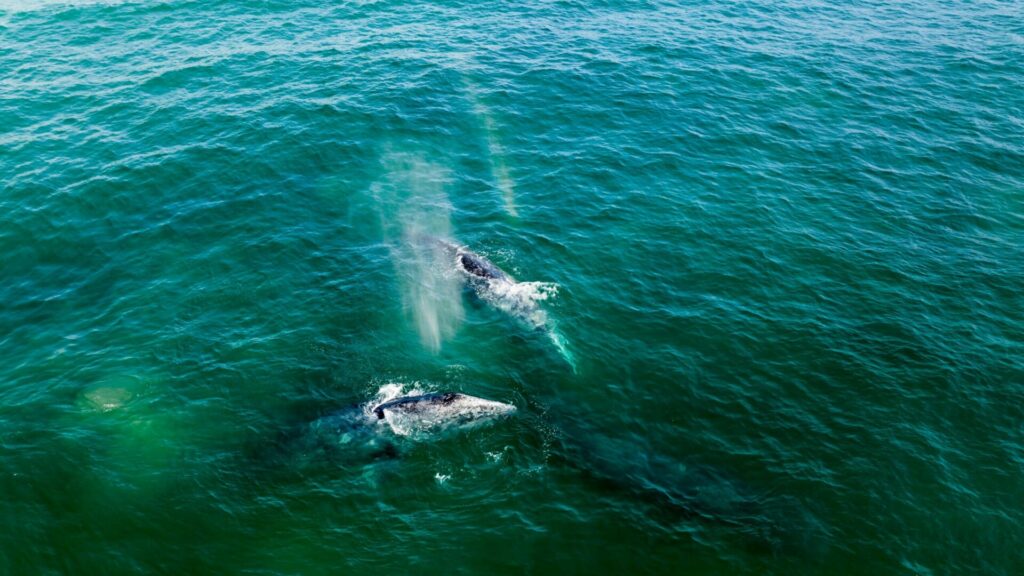
The event has contributed to growing concern among researchers about the increasing number of whale strandings in recent decades. Data from Scottish Government Marine Directorate indicates that such incidents have risen significantly in both scale and frequency.
While this particular case was not linked to human generated noise, other strandings involving species like sperm whale have raised questions about the impact of sound pollution in marine environments.
Understanding these patterns is essential for improving conservation strategies and mitigating future risks as ocean conditions continue to change.
PetsFanatic Team
Pet Care Expert & Content Creator
Passionate about sharing knowledge and tips for better pet care. Writing about everything from pet health to training techniques.