
27,000-Acre Oregon Wildfire Has Triggered a Multi-State Firefighting Response

More than 1,600 firefighters are now battling a single blaze in central Oregon, and reinforcements keep arriving from across the country. The Akawa Butte Fire, sparked by lightning outside Sisters, has burned more than 27,000 acres and become the nation’s highest-priority wildfire for resource allocation. San Francisco and Alameda County have joined the response, sending their own crews and engines straight into the smoke.
Fire Ignites 13 Miles Northeast of Sisters, Oregon

The Akawa Butte Fire began after lightning struck the forest near Sisters, a small town in central Oregon. It has since spread across Deschutes and Jefferson counties, consuming timber and brush in rugged, hard-to-reach terrain. Local crews were quickly overwhelmed by the fire’s speed, and officials began requesting outside help within days as the blaze pushed closer to populated areas.
National Coordinators Rank This Fire the Country’s Top Priority

The National Multi-Agency Coordination Group, which decides where scarce firefighting resources go across the United States, raised the response to Preparedness Level 5, its highest stage. That designation signals nearly every available crew, engine, and aircraft nationally could be pulled toward this single fire if needed. According to the U.S. Incident Information System, the fire remains the nation’s highest-priority blaze for resource allocation.
San Francisco Sends Specialized Task Force 2801 to the Fire Line

San Francisco Fire Department deployed Task Force 2801, built around two Type 6 engines designed for wildland firefighting. These four-wheel-drive units can navigate steep, rocky terrain that would stop a standard city fire engine cold. Rather than sending crews to fight structure fires, San Francisco built a unit specifically suited to the mountains and forest roads surrounding Sisters.
Alameda County Adds Two More Engines to the Fight
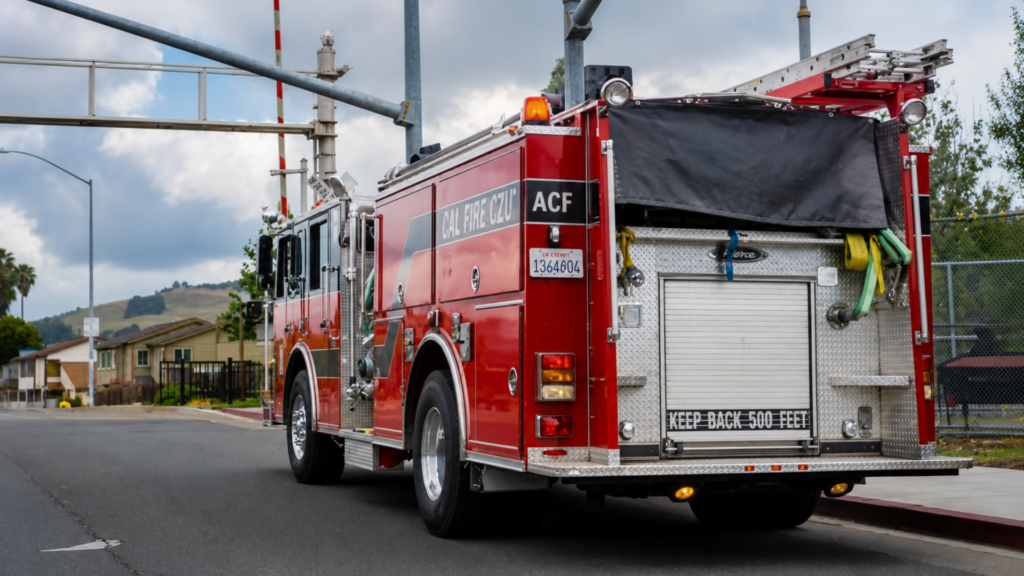
Joining San Francisco’s crews are two Type 3 engines from the Alameda County Fire Department, vehicles built for both wildland blazes and the urban-interface fires where homes and forest meet. Alameda County’s engines round out Task Force 2801, giving Oregon crews four additional units trained for exactly this kind of terrain. Together, the task force represents a coordinated Bay Area response to a fire nearly 600 miles away.
Sisters Empties Out as Evacuation Orders Expand

As the fire grew, Deschutes County officials issued escalating evacuation notices, moving neighborhoods from “be ready” to mandatory departure within days. Hundreds of residents were ordered out of their homes, while thousands more in Sisters were told to prepare to leave at a moment’s notice. One evacuee described ash falling over his neighborhood and the sky turning dark before he decided it was time to go.
Red Flag Warning Fuels “Rapid Fire Growth”

Hot, dry, and windy conditions repeatedly worsened the fire’s behavior through late July. A Red Flag Warning remained in effect for strong winds, critically low humidity, and elevated temperatures, conditions officials said were contributing to rapid fire growth and increased spotting, where embers jump ahead of the main fire line and ignite new blazes.
Firefighters From California, Idaho Join 1,668-Person Response

By July 27, the Akawa Butte Fire had grown to 27,308 acres and drawn 1,668 firefighters, making it the largest wildfire response in the country by personnel, according to the Bend Bulletin. Crews arrived from well beyond Oregon’s borders, including 101 firefighters from California and 65 from Idaho, turning a local wildfire into a genuinely national mobilization.
Eight Homes Lost as Governor Kotek Visits Fire Camp

The fire destroyed at least eight homes in the region, including two in the Sisters area, before crews gained better control. Oregon Governor Tina Kotek visited the incident camp and urged residents to rally behind responders. “Right now it is up to all of us as Oregonians to support our firefighters and our first responders across the state, who are managing and dealing with this crisis,” she said.
Cooler Weather Helps Crews Push Containment to 6%
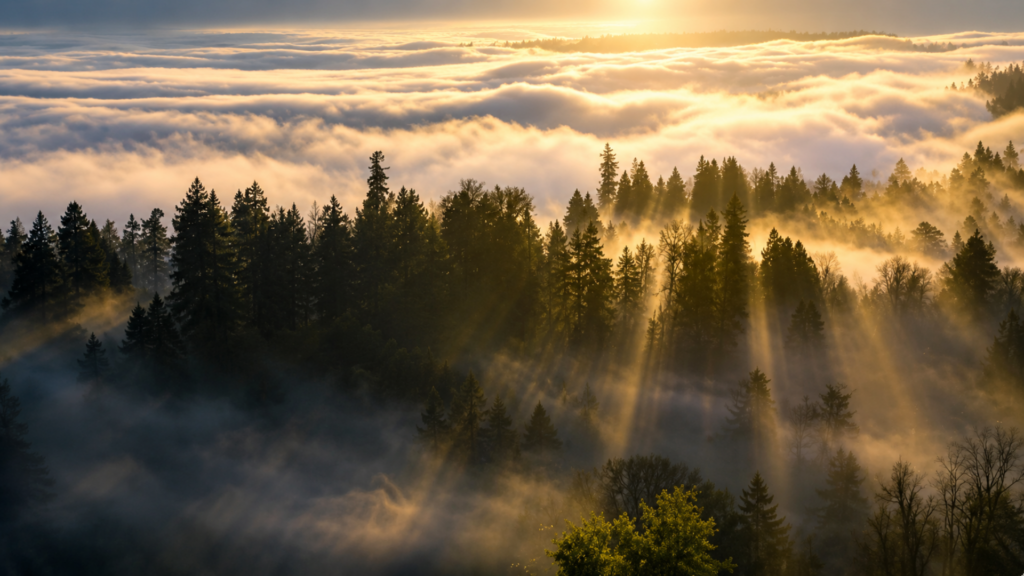
Favorable weather finally gave firefighters room to work. Cooler temperatures and calmer winds allowed night crews to shift from building containment lines to mopping up hot spots along the fire’s edge, cooling ground up to 50 feet inside established perimeters. As of late July, the Akawa Butte Fire sat at 27,308 acres and 6% contained, a fire still burning but no longer outrunning the people fighting it.
PetsFanatic Team
Pet Care Expert & Content Creator
Passionate about sharing knowledge and tips for better pet care. Writing about everything from pet health to training techniques.