
Construction Crews Hit ‘Hollow Ground’ As a 2,000-Year-Old Roman Machine Is Found Still Working 6 Feet Under

Archaeologists were stunned when construction crews in Türkiye’s port city of Trabzon unearthed a hidden relic from the Roman Empire. During an urban redevelopment project in the Çömlekçi neighborhood, workers discovered a massive, vaulted underground tunnel stretching nearly 1,300 feet. The structure had remained hidden for centuries, buried just six feet beneath the modern city’s bustling streets.
1,300 Feet of Roman Engineering Mastery
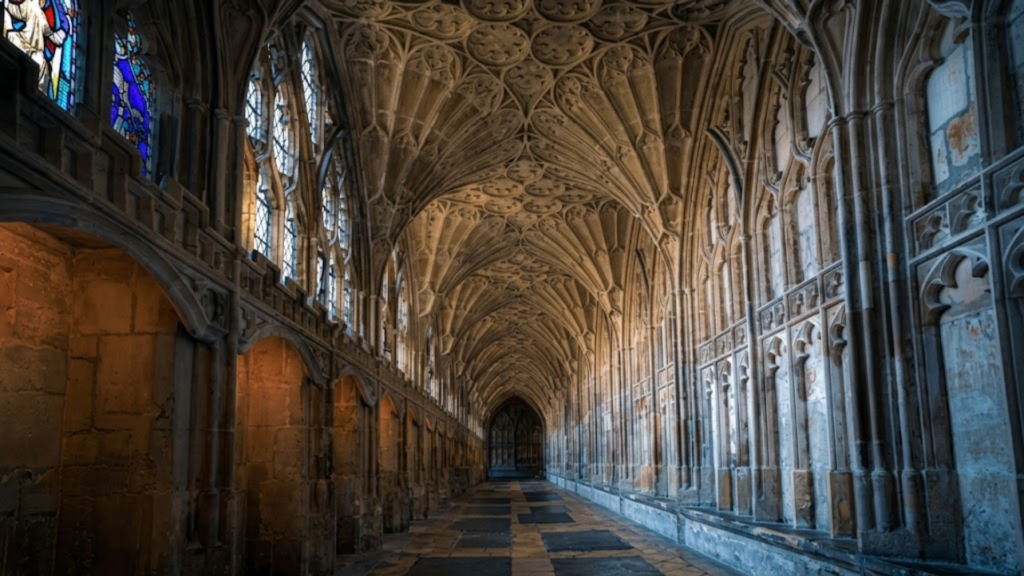
The tunnel is a masterclass in ancient hydraulic engineering, featuring a vaulted arched roof designed to distribute structural pressure. Measuring approximately 4 by 4 feet, the conduit includes a central water channel flanked by narrow walkways on both sides. These paths likely allowed Roman maintenance workers to inspect and clean the vital system nearly 2,000 years ago.
Dating the Find to the Age of Emperors

Professor Mehmet Yavuz believes the tunnel dates back to the early Roman period, specifically the late 1st to early 2nd centuries C.E. The craftsmanship and materials point toward a build commissioned during the reigns of Emperors Trajan or Hadrian. This era was a golden age for infrastructure, and this tunnel may have linked the port to inland military garrisons.
A Design Unparalleled in Modern Türkiye

While Roman ruins are common, this specific vaulted arched roof design is described as “highly unusual” for Roman-era Anatolia. The construction methods used make the structure unique in the region, yet it remains easily recognizable as classic Roman craftsmanship. Its exceptional preservation makes it an unprecedented archaeological asset for the historic Black Sea port city.
Winding Bends to Tame the Water’s Flow
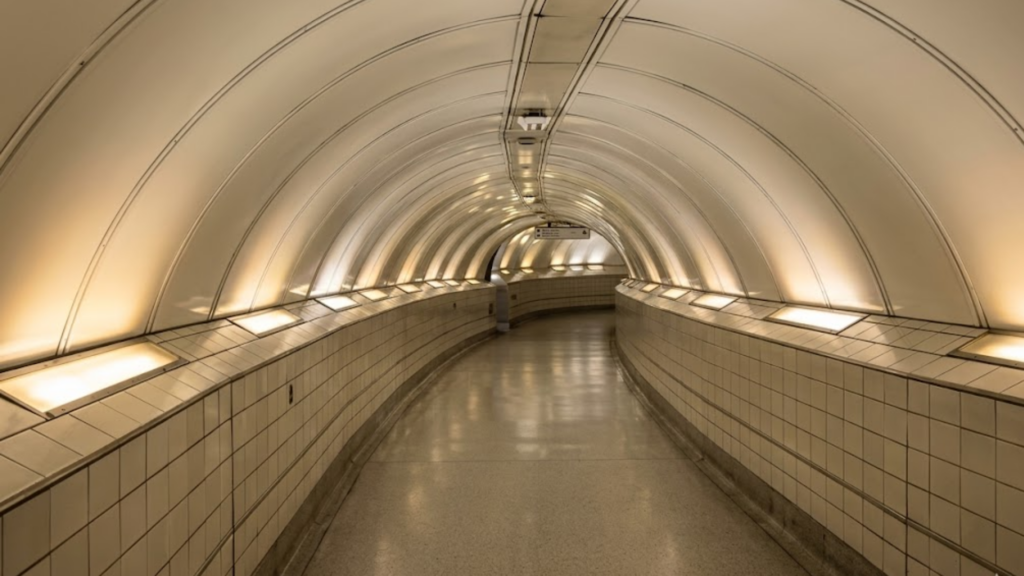
Unlike many modern pipes, this Roman channel does not run in a straight line. It features deliberate winding turns, bends, and even stone steps. Experts believe these features were sophisticated hydraulic calculations intended to slow the flow of water. This regulated the pressure as the water descended from the hills toward the ancient harbor.
From Fresh Drinking Water to a Sea Port

The tunnel’s original mission was likely humanitarian and economic: supplying fresh drinking water to the ancient harbor on the Black Sea. By providing a steady supply to ships, the tunnel supported Trabzon’s status as a strategic maritime node. Even after nearly two millennia, archaeologists were amazed to find that the ancient “machine” still effectively carries liquid.
Waterproofed for Two Millennia

The durability of the structure is thanks to a combination of finely-cut stone blocks and rugged rubble stone. To ensure the tunnel remained leak-proof, Roman builders applied a specialized layer of plaster meant to serve as waterproofing. This ancient barrier continues to function today, holding back the earth while guiding the flow through the interlocking stone canal.
The Ottoman Pivot to Wastewater

As empires rose and fell, the tunnel’s purpose evolved to meet the city’s changing needs. During the Ottoman or early Republican periods, new openings were made in the walls to alter the system. These modifications transformed the once-pristine freshwater channel into a wastewater conveyance system, a role it continues to fulfill for the modern city.
The Risks of Modern Urban Progress

The discovery came as a surprise because experts didn’t consider this specific area to be an intensely inhabited zone during the Roman period. Unfortunately, the tunnel has already faced setbacks from the very project that found it. Researchers noted that some sections of the historic structure have already been destroyed by heavy construction activity from above.
A Future Window Into the Ancient Past

The Trabzon Museum Directorate and Karadeniz Technical University are racing to explore the full length of the 1,300-foot vault. They believe there is a strong possibility of locating additional connections to other tunnels or key above-ground sites. Each newly uncovered foot of stone offers more clues about the history and daily life of this ancient Roman port.
PetsFanatic Team
Pet Care Expert & Content Creator
Passionate about sharing knowledge and tips for better pet care. Writing about everything from pet health to training techniques.