
2.7-Billion-Year-Old Mountain Still Hides Half a Trillion Dollars in Gold
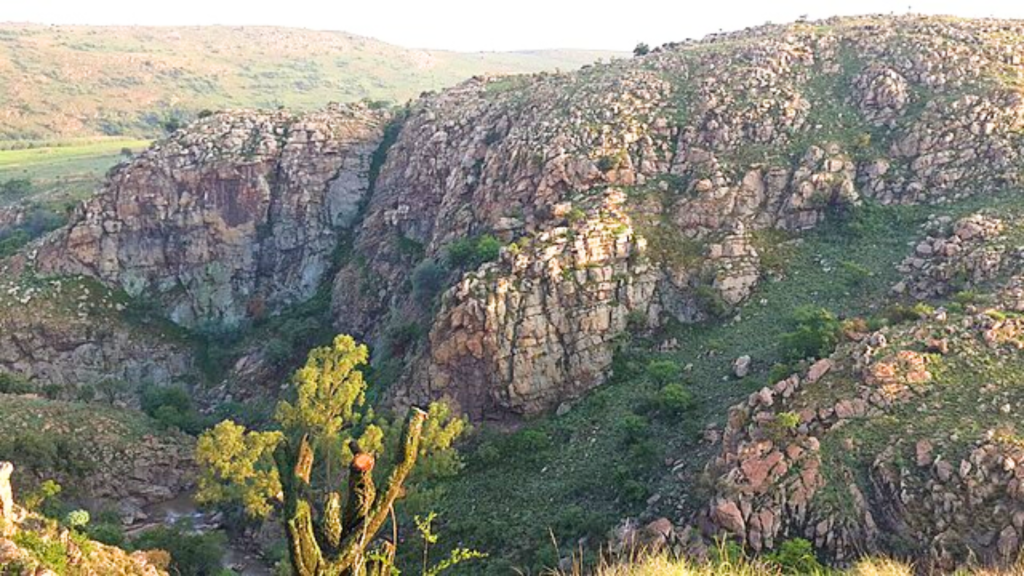
Beneath the surface of South Africa lies one of the most extraordinary geological formations ever discovered, a 2.7-billion-year-old structure that has shaped global gold supply for over a century. Known as the Witwatersrand Basin, this ancient formation is responsible for an astonishing share of the gold ever mined on Earth.
Scientists estimate that roughly 40 percent of all gold in human history has come from this single region, making it the richest gold deposit ever identified.
Even more surprising, experts believe vast reserves still remain buried deep underground, with estimates suggesting that unmined gold in the region could be worth as much as half a trillion dollars.
How This Ancient Formation Became So Rich in Gold
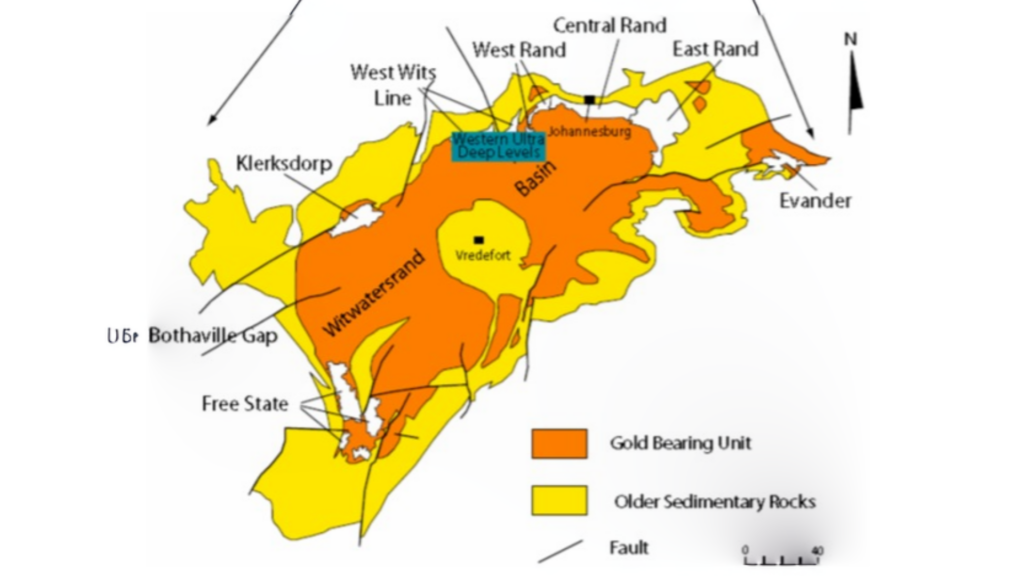
The origins of the Witwatersrand’s immense wealth date back nearly 3 billion years to a time when Earth’s atmosphere and surface looked dramatically different. Ancient rivers carried tiny particles of gold eroded from early volcanic rocks and deposited them into vast sedimentary basins.
Over millions of years, these sediments were buried, compressed, and transformed into rock layers rich in gold bearing conglomerates. This process locked the precious metal deep within the Earth, where it remained preserved for billions of years.
Unlike many other gold deposits formed by volcanic activity, the Witwatersrand’s gold is largely sedimentary in origin, making it one of the most unique and scientifically debated formations in the world.
Why So Much Gold Still Remains Underground
Despite more than a century of intensive mining, significant portions of the Witwatersrand Basin remain untapped. Some of the richest deposits lie kilometers below the surface, making them difficult and expensive to reach with current technology.
Modern mines in the region already extend several kilometers underground, pushing the limits of engineering and safety. As depths increase, so do the challenges of heat, pressure, and cost, which have slowed efforts to extract remaining gold.
Still, ongoing exploration and advances in mining technology could unlock more of these reserves in the future, potentially adding billions in value to global gold supply while reshaping the economics of mining.
A Treasure Still Hidden in Plain Sight
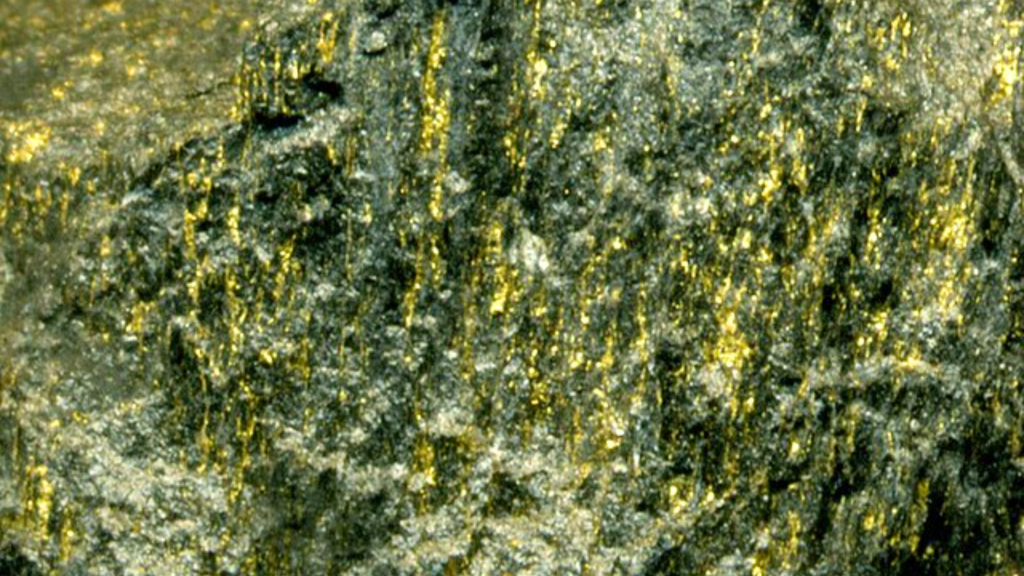
The Witwatersrand Basin stands as one of Earth’s greatest geological treasures, a formation so rich it has already produced a significant portion of the world’s gold while still holding immense untapped value. Its history stretches back billions of years, yet its economic and scientific importance continues today.
As technology improves and demand for gold remains strong, this ancient formation may continue to shape global markets for decades to come. What lies beneath its surface is not just wealth, but a deeper understanding of Earth’s early history and the forces that created such an extraordinary concentration of resources.
Experts believe that future discoveries in the region could further expand known reserves, reinforcing its status as one of the most important mining areas on the planet and ensuring its legacy endures for generations.
PetsFanatic Team
Pet Care Expert & Content Creator
Passionate about sharing knowledge and tips for better pet care. Writing about everything from pet health to training techniques.