
131 Cats Were Removed From an Island- Nature’s Response Was Unbelievable
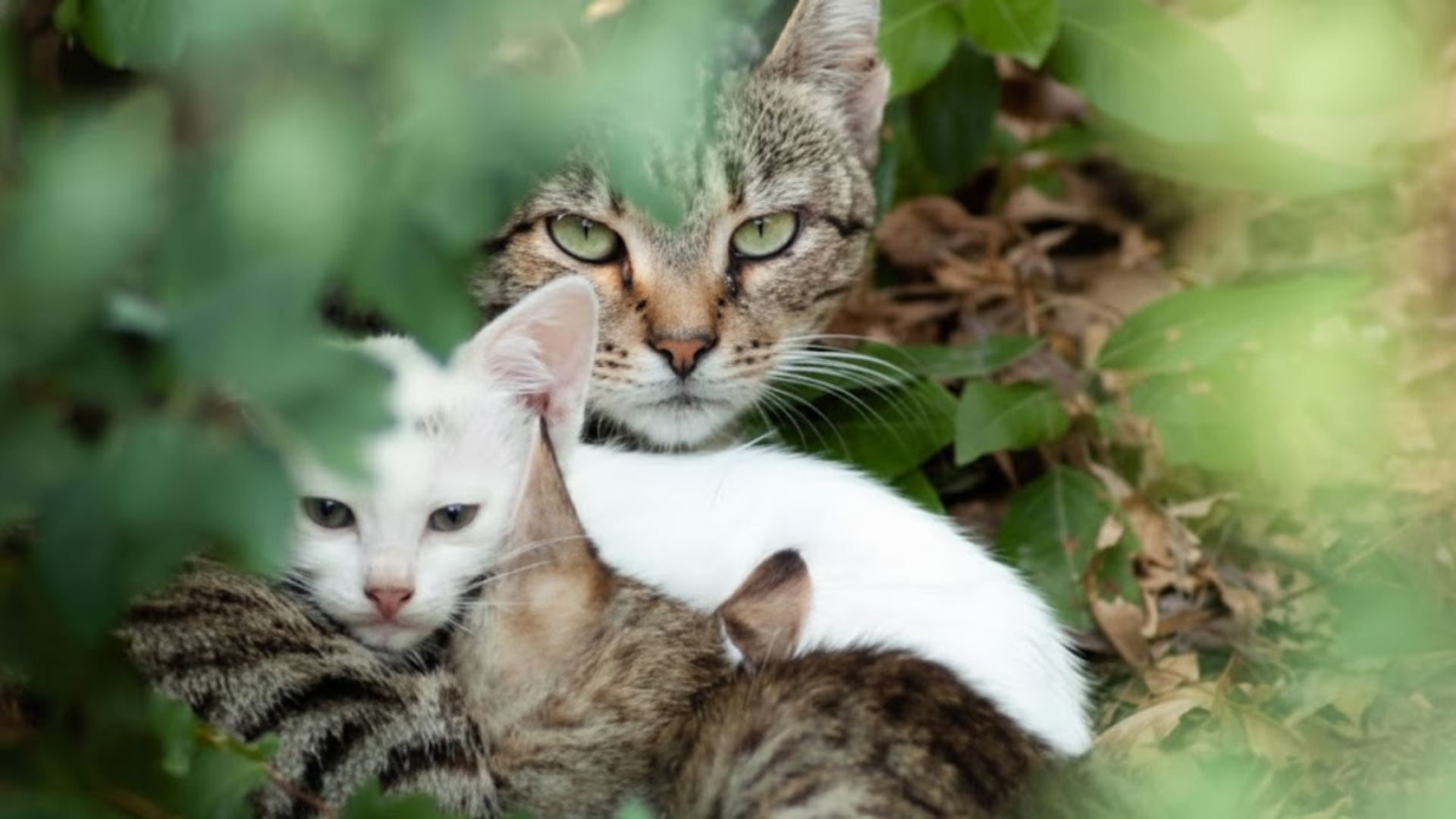
When rescuers took 131 cats off a small Japanese island called Ogasawara, they thought they were saving both wildlife and the cats themselves. The animals had been blamed for preying on rare birds and disturbing the fragile ecosystem. But within months, something happened that left scientists speechless, and the locals questioning whether nature had just fought back.
A Paradise Turned Battleground

For years, the island was known for its postcard beauty and hundreds of roaming cats. Tourists adored them; environmentalists didn’t. Officials claimed the cats were decimating populations of endangered birds like the red-headed wood pigeon. Removing them, they said, would “restore balance.” But nature doesn’t always agree with human definitions of balance.
The Great Feline Evacuation
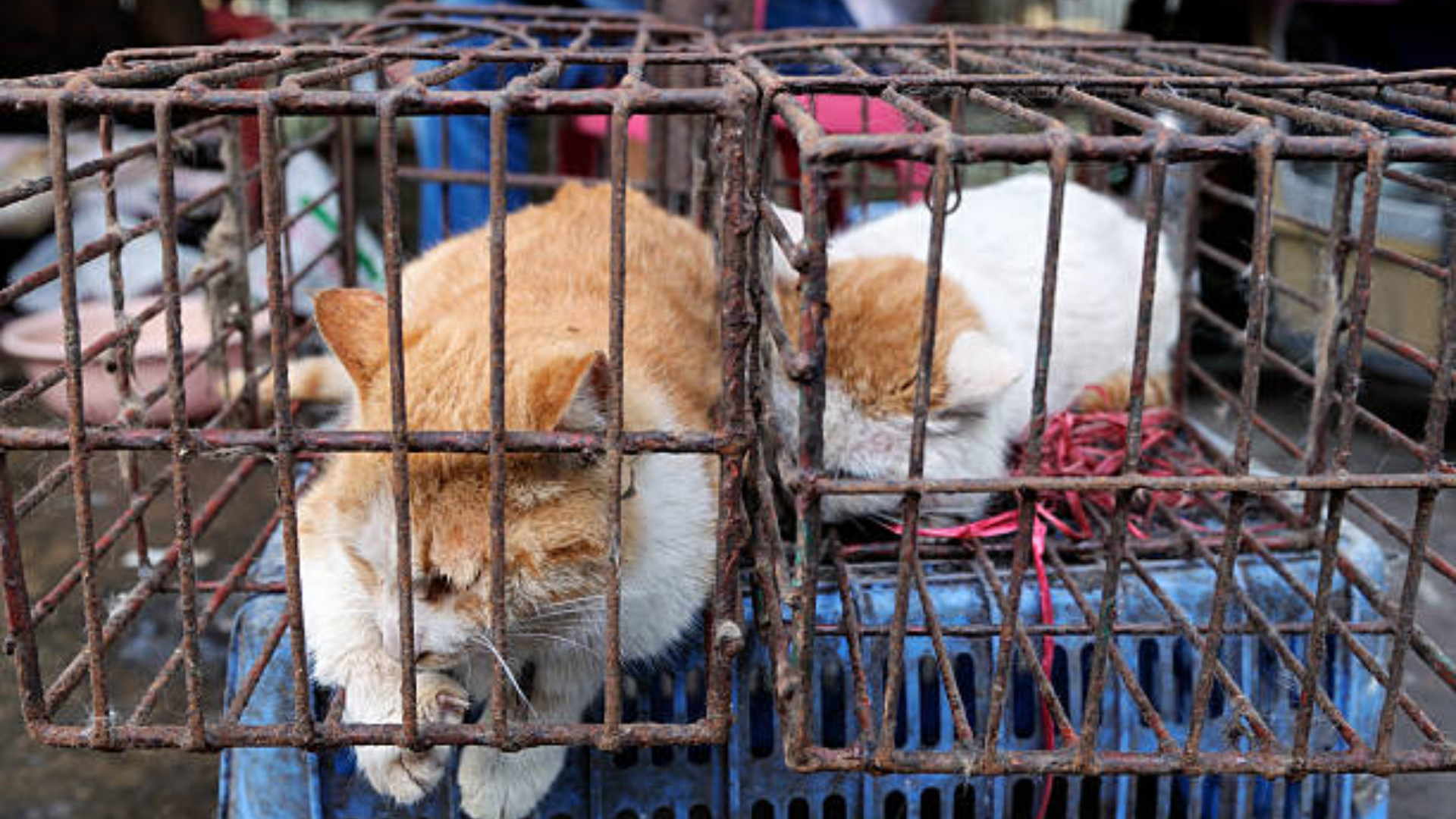
In 2024, a massive rescue mission began. Volunteers captured, vaccinated, and relocated 131 cats to shelters across Japan. It was one of the largest animal extractions ever attempted in Asia — hailed by conservationists as a model for coexistence. Locals called it something else: “\the day the island went quiet.
The Silence That Followed

At first, the plan seemed to work. Bird numbers ticked up, and conservation groups celebrated. Then, an unexpected problem slithered in — literally. With the cats gone, rat and snake populations exploded. Crops were raided, nests destroyed, and even the birds that the project aimed to save began to vanish again. Nature had replaced one predator with another.
Scientists Admit: ‘We Miscalculated’

Ecologists studying the island’s food chain soon realized they’d underestimated how deeply the cats had integrated into the ecosystem. By hunting rodents, the cats had unknowingly protected certain plant species and bird eggs from worse threats. “It’s a classic case of unintended consequences,” one researcher told The Daily Galaxy. “We saved the birds from cats — and fed them to the rats.”
The Debate That Tore Conservationists Apart

The fallout split environmental circles. One side argued that human interference was justified — that predators like cats don’t belong on islands at all. The other side called the removal cruel and shortsighted, a project driven more by optics than ecology. Social media quickly took sides: #SaveTheCats versus #SaveTheBirds.
The Cats That Never Left
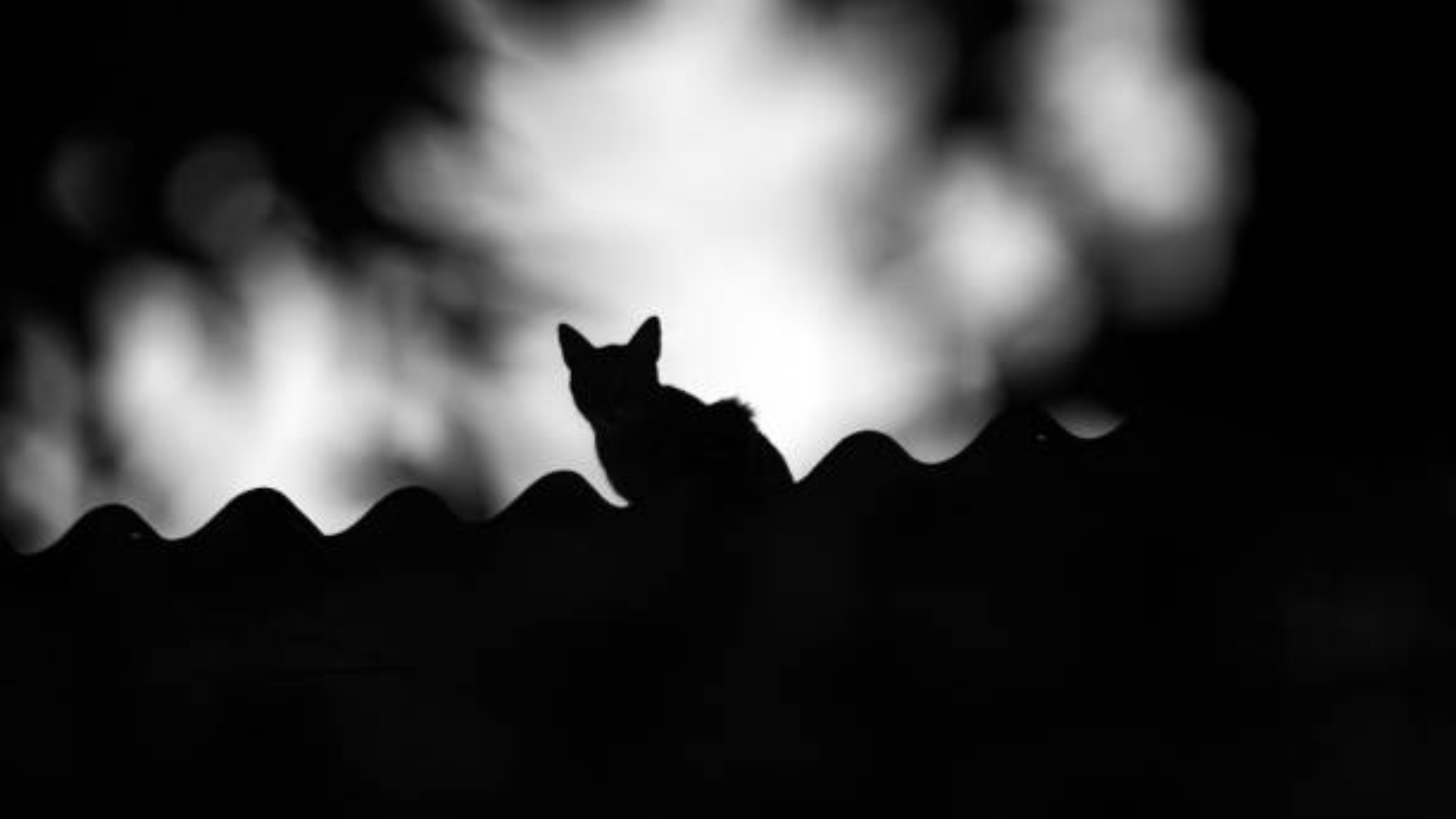
Even after the operation, some cats refused to be caught. Hidden deep in the forests, they adapted, hunting smarter and breeding in smaller numbers. Local fishermen began reporting sightings of “ghost cats” — lean, feral survivors who had reclaimed their territory. To some, they symbolized resilience; to others, a reminder that nature doesn’t follow human orders.
When Helping Nature Becomes Playing God

The failed experiment has revived a difficult question: where is the line between conservation and control? Removing invasive species can protect biodiversity — but when does “helping” nature cross into manipulation? As one ecologist put it, “Every time we think we’re restoring balance, we’re really just choosing sides.”
The Island Today: A Fragile Lesson

Months later, the island’s ecosystem still hasn’t recovered. The red-headed wood pigeons are fewer than before, the rat population is unstable, and vegetation loss continues. What was meant to be a case study in environmental success has become a warning: nature isn’t a machine you can reset — it’s a living web that resists human fixes.
Who Really Paid the Price?

The cats were saved from hunger and disease, but at a cost no one predicted. The birds they were blamed for killing are now dying from a different threat. Scientists got their data, activists got their headlines, but the island lost something irreplaceable: its balance. Maybe the real lesson isn’t about cats or birds at all. It’s about the danger of assuming nature needs our permission to survive.
PetsFanatic Team
Pet Care Expert & Content Creator
Passionate about sharing knowledge and tips for better pet care. Writing about everything from pet health to training techniques.