
12 Animals That Were Once Thought to Be Myths But They’re Real
Throughout history, humans have told stories about strange and mysterious creatures that seemed too extraordinary to exist. Many of these tales were dismissed as folklore or fantasy, yet science has proven that some of them are very real. From ocean depths to remote forests, these animals remind us that legends often carry a trace of truth.
Giant Squid: The Ocean’s Phantom

For centuries, sailors feared enormous sea monsters with curling tentacles, described in Norse myths as the kraken. In 1857, the giant squid was finally identified as a real species. Reaching lengths of over 40 feet and possessing eyes as wide as dinner plates, this elusive creature is rarely observed alive, adding to its mysterious aura. Its existence blurs the line between myth and marine reality.
Narwhal: The True Unicorn
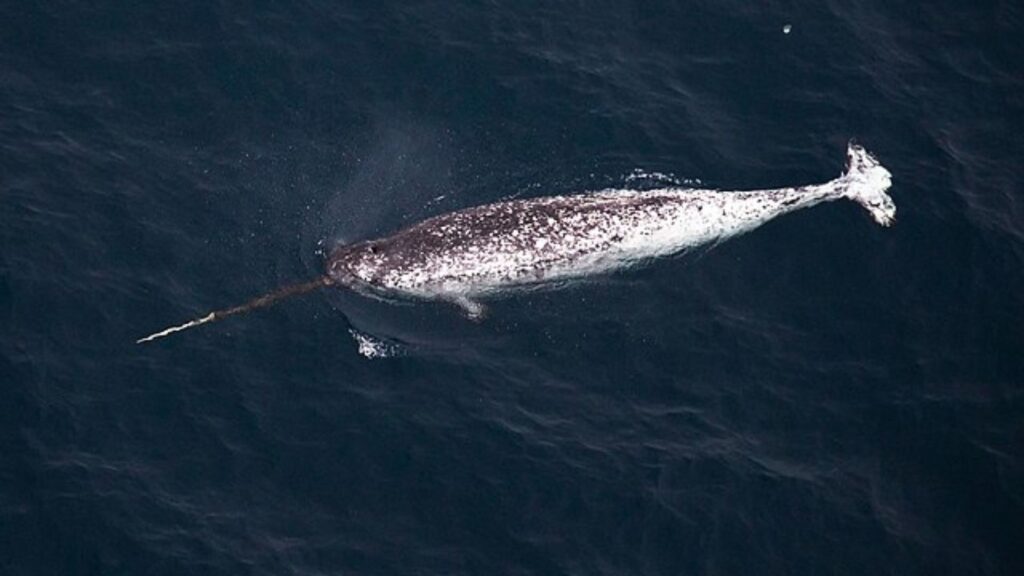
Stories of unicorns once enchanted Europe, but their inspiration came from a marine mammal. Narwhals, native to Arctic waters, bear a spiral tusk up to 10 feet long, an extended tooth rich in sensory nerves. While often sold in the past as magical relics, these tusks serve real biological purposes. Encountering a narwhal is like witnessing a living fairytale.
Platypus: Nature’s Paradox

When explorers first brought news of the platypus in the 18th century, many dismissed it as a hoax stitched together from multiple animals. With a duck-like bill, webbed feet, and a beaver tail, this mammal defies categorization. Beyond its odd looks, it lays eggs, detects prey using electroreception, and even has venomous spurs. Today, it stands as one of Australia’s most iconic animals.
Komodo Dragon: The Island Predator

Tales of giant lizards stalking remote islands sounded like myths until 1910, when scientists confirmed the Komodo dragon’s existence. Measuring up to 10 feet and weighing over 150 pounds, it is the world’s largest lizard. With venomous saliva and a prehistoric appearance, this apex predator feels like a dinosaur that somehow survived into the modern era.
Okapi: Africa’s Hidden Treasure

Early reports of a striped animal deep in the Congo were dismissed as fantasy. It wasn’t until 1901 that the okapi was recognized as a relative of the giraffe. With zebra-like markings and a shorter neck, it lives quietly in dense rainforests. Known as the “African unicorn,” the okapi remains one of the most elusive animals in the wild.
Gorilla: From Myth to Reality

Ancient travelers once told stories of terrifying hairy creatures in African forests. For centuries, these accounts were disregarded as fables. Then, in the 19th century, gorillas were officially documented. Far from being monsters, they are intelligent, social primates with gentle dispositions. Their size and strength continue to inspire awe, echoing the legends that surrounded them.
Aye-Aye: The Eerie Forager
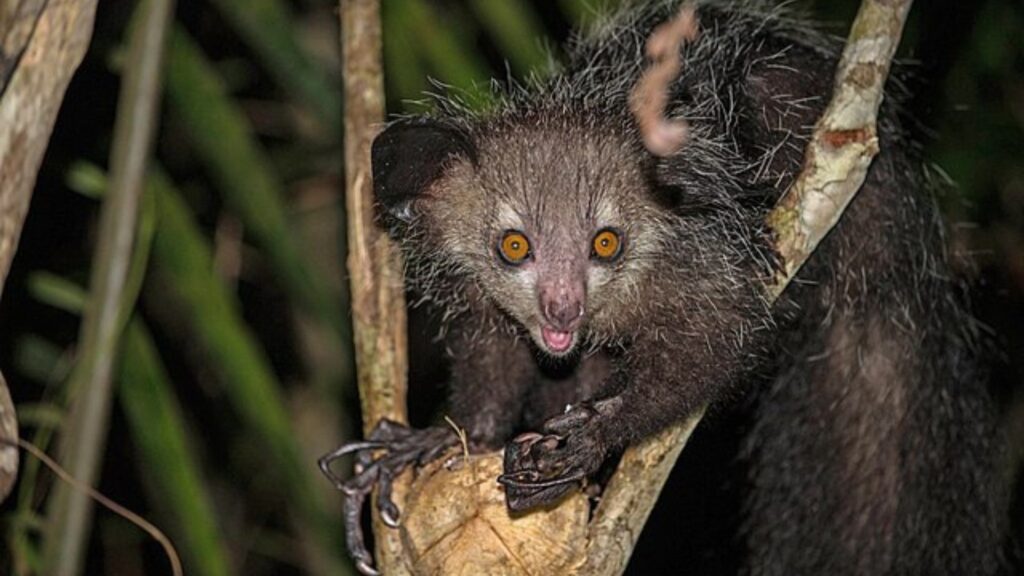
In Madagascar, the aye-aye was once feared as an omen of death. With glowing eyes, oversized ears, and an elongated finger used to tap on wood in search of insects, it looks like a creature from folklore. Yet, this nocturnal lemur is harmless and vital to its ecosystem. Its bizarre features prove that evolution often creates animals stranger than imagination.
Saola: Asia’s Elusive Unicorn

Discovered only in 1992 in the mountains of Laos and Vietnam, the saola was nicknamed the “Asian unicorn.” With long, parallel horns and a reclusive nature, it remained unknown to science despite centuries of local legends. Considered critically endangered, sightings are rare, making this antelope one of the most mysterious animals alive today.
Hoatzin: The Prehistoric Bird

When explorers encountered the hoatzin in South America, its odd traits seemed mythical. Young hoatzins have clawed wings reminiscent of ancient dinosaurs, and adults emit a strong odor due to their leaf-based diet, earning them the name “stinkbird.” Despite its quirks, the hoatzin represents a remarkable evolutionary story and a living link to prehistoric times.
Tasmanian Tiger: Between Fact and Legend

The thylacine, also called the Tasmanian tiger, combined traits of a wolf, a tiger, and a kangaroo. Long considered a creature of folklore, it was scientifically confirmed in the 19th century. Officially declared extinct in 1936, reported sightings persist, keeping its legend alive. Whether gone or surviving in secret, it remains one of the most iconic animals of mystery.
European Lynx: The Silent Hunter

Legends spoke of a spectral cat haunting Europe’s forests. In truth, the European lynx is a real predator, known for its tufted ears and stealth. Once hunted nearly to extinction, reintroduction programs have restored populations in parts of Europe. Its ghostly presence among the trees embodies the myths that once denied its existence.
Kakapo: The Forgotten Flyer

To the Māori, the kakapo seemed like a mythical bird. This nocturnal parrot from New Zealand cannot fly, camouflages with moss-green feathers, and lives mostly on the ground. Once thought too strange to exist, it is now critically endangered, with fewer than 250 individuals left. The kakapo is both a living legend and a reminder of nature’s fragility.
PetsFanatic Team
Pet Care Expert & Content Creator
Passionate about sharing knowledge and tips for better pet care. Writing about everything from pet health to training techniques.