
10 Thoughts Your Dog Has Every Time You Walk Out the Door
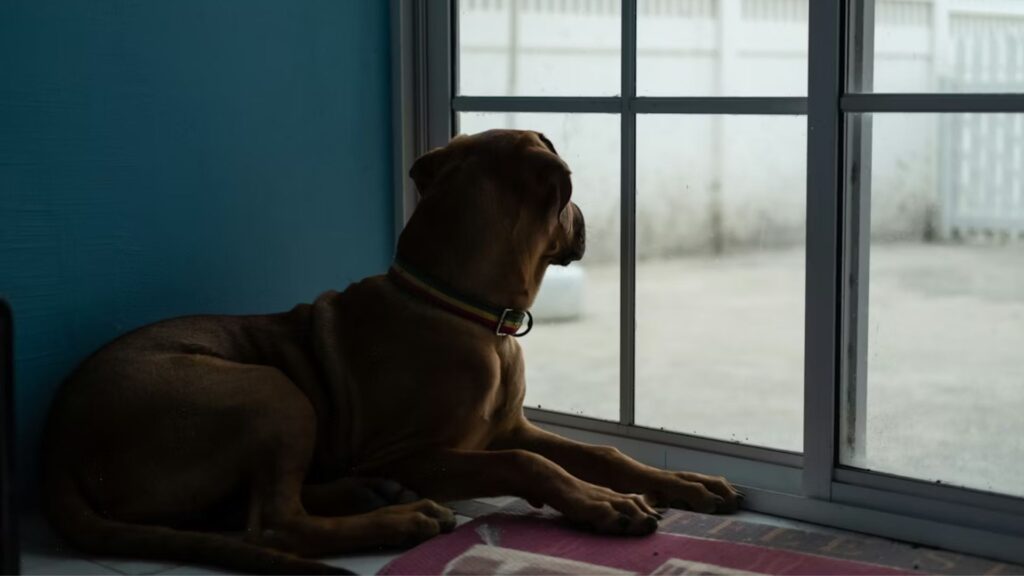
When you reach for your keys and head toward the door, your dog’s mind races with worry and questions. Though you understand you’re simply heading to work or running errands, your dog experiences something entirely different. Research published in Applied Animal Behaviour Science has shown that dogs display increasingly strong bonding behaviors when separated from their owners for longer periods, revealing how deeply these daily departures affect them and the powerful connection you share.
Are You Coming Back?

The biggest question racing through your dog’s mind centers on whether you’ll return. Dogs experience time passing differently than humans do, making even short absences feel endless. This anxiety connects directly to their origins as pack animals who depended on staying close to their group for survival. While you’re confident you’ll be home by dinner, your dog genuinely doesn’t know when that reunion will happen, or if it will at all.
Is This Goodbye Forever?

Your dog can’t tell the difference between you leaving for work and a permanent goodbye. Each departure triggers real anxiety as they wonder if they’ll see you again. Research from the University of Lincoln studying separation behaviors found that dogs experience distress from various underlying causes when left alone, confirming these worries are genuine responses rather than simple attention-seeking. Most dogs eventually learn through repeated experience that you always come back, but that initial worry never fully disappears.
Who’s Going to Feed Me?

The moment you leave, thoughts about the next meal immediately surface. Dogs have internal rhythms that signal feeding times with surprising accuracy, and breaks in this pattern create genuine stress. Though they completely trust you’ll provide food, being separated from their only food source creates real uncertainty. Even small changes to their expected mealtime routine can significantly affect how they feel during your absence, making food a central concern while you’re gone.
What If Someone Shows Up?

Your departure immediately shifts your dog’s attention to potential threats like strangers or intruders entering their territory. Without you there to alert, they feel the full responsibility of their guardian role. Their protective instincts and territorial behaviors stay active throughout your time away, keeping them constantly alert. This ongoing vigilance actually provides mental stimulation and gives them a sense of purpose while alone, as they prepare to defend against any suspicious activity or unexpected visitors.
I’m Lonely

Dogs are social animals, and being alone all day while you are away at work may stress them out, especially if they’re used to seeing you around, keeping them company. While they might not truly understand what being lonely is, they can become bored or restless. Leaving them with toys, ambient noises, or things with a familiar scent can help ease their stress and become placeholders while they wait for you to come home.
Who Will Give Me Belly Rubs?

Once the door closes, your dog immediately wonders who will provide the physical affection they crave. This touch serves crucial functions beyond simple enjoyment, creating emotional bonds and providing security. As pack-oriented animals, dogs need physical closeness for their mental health. While you’re gone, they often seek items carrying your scent or favorite resting spots, trying to recreate the security your presence normally provides through whatever alternative means they can find.
Will You Forget About Me?

Despite your strong bond, your dog may worry about being forgotten during your time away. Their limited understanding of your world beyond home can create real insecurity about their importance in your life. However, research published in Animal Cognition demonstrates that dogs possess remarkable memory for human faces and emotional states, making their forgetting fears completely unfounded. Their worry actually reveals how deeply attached they feel and how much they want to remain central in your life.
How Long Are You Going to Be Gone?

Without clocks or calendars, your dog can only guess how long you’ll be away. They track time’s passage through environmental signals like shifting sunlight through windows and changing neighborhood sounds throughout the day. This uncertainty creates real separation stress since they can’t distinguish between brief errands and full workdays. Dogs thrive on predictable routines, and disruptions to their expected daily patterns through your absence naturally generate considerable anxiety.
The Mailman Might Come

Your departure brings immediate thoughts about the mail carrier’s potential arrival. Dogs often turn barking at mail delivery into a daily ritual, providing purpose and structure. Handling this responsibility alone without your presence nearby makes them feel the full duty of alerting the household to this familiar visitor. This predictable routine gives them moments of excitement and lets them express their territorial instincts, serving an important function in their day.
Am I Still Your Favorite?

Each departure creates brief uncertainty about where they stand in your heart. Though their fears have no basis, they wonder whether they remain your top priority among everything competing for your attention. They consider whether other distractions in your life might reduce their importance. Reassuring them through affection and attention when you return confirms their cherished position in your world. The enthusiastic joy they show when you come home proves their unwavering devotion and hope for that same affection returned.
PetsFanatic Team
Pet Care Expert & Content Creator
Passionate about sharing knowledge and tips for better pet care. Writing about everything from pet health to training techniques.