
10 Things Your Dog Wishes You Would Stop Doing

Dogs communicate through body language, vocalizations, and behavior, but many of the things that frustrate them go unnoticed by their owners. Certain everyday habits can create stress, confusion, or discomfort even when people have good intentions. Learning to recognize these behaviors can strengthen your relationship and help your dog feel safer, happier, and more understood.
Ignoring Your Dog’s Need for Daily Exercise
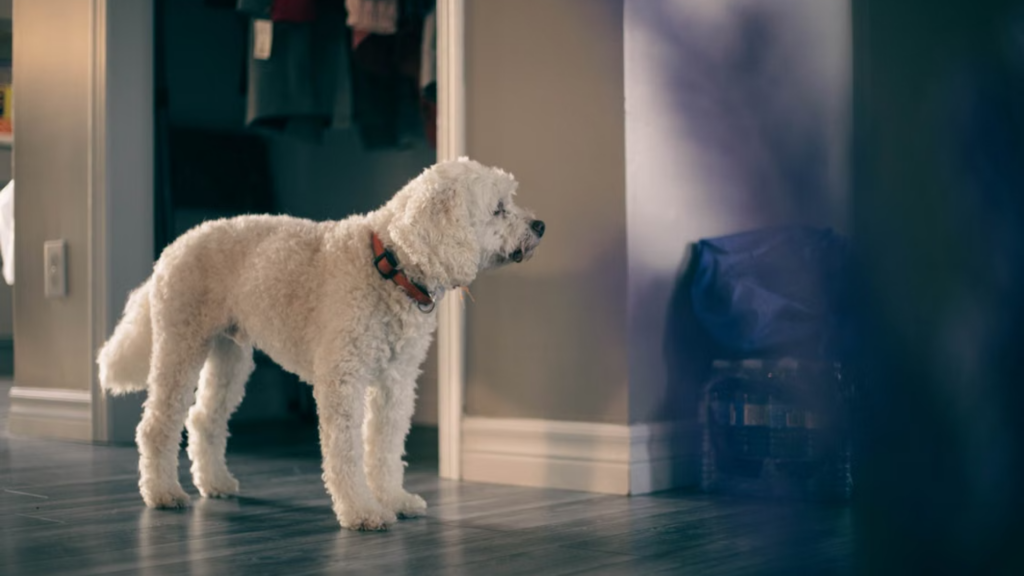
Dogs need regular physical activity to stay healthy both mentally and physically. Skipping walks or playtime can lead to boredom, excess energy, destructive behavior, and even anxiety. Daily exercise that matches your dog’s age, breed, and energy level helps prevent many common behavioral problems.
Yelling Instead of Teaching

Dogs are highly sensitive to vocal tone, and yelling often creates fear rather than understanding. They respond much better to calm guidance, consistency, and positive reinforcement than punishment alone. Rewarding desired behavior is generally more effective than reacting angrily to mistakes.
Leaving Your Dog Alone for Too Long

Dogs are social animals that thrive on companionship. Spending long hours alone every day may contribute to loneliness, separation anxiety, excessive barking, or destructive behavior. Providing enrichment activities or arranging companionship can help reduce stress during extended absences.
Giving Mixed Signals During Training

Changing commands or enforcing rules inconsistently can confuse dogs. If jumping on the couch is allowed one day but discouraged the next, dogs struggle to understand expectations. Consistent cues and household rules make learning much easier.
Skipping Mental Stimulation

Mental exercise is just as important as physical activity. Puzzle toys, scent games, obedience practice, and learning new tricks help keep a dog’s brain active while reducing boredom. Regular mental challenges can improve confidence and overall behavior.
Hugging Every Dog Without Reading Body Language
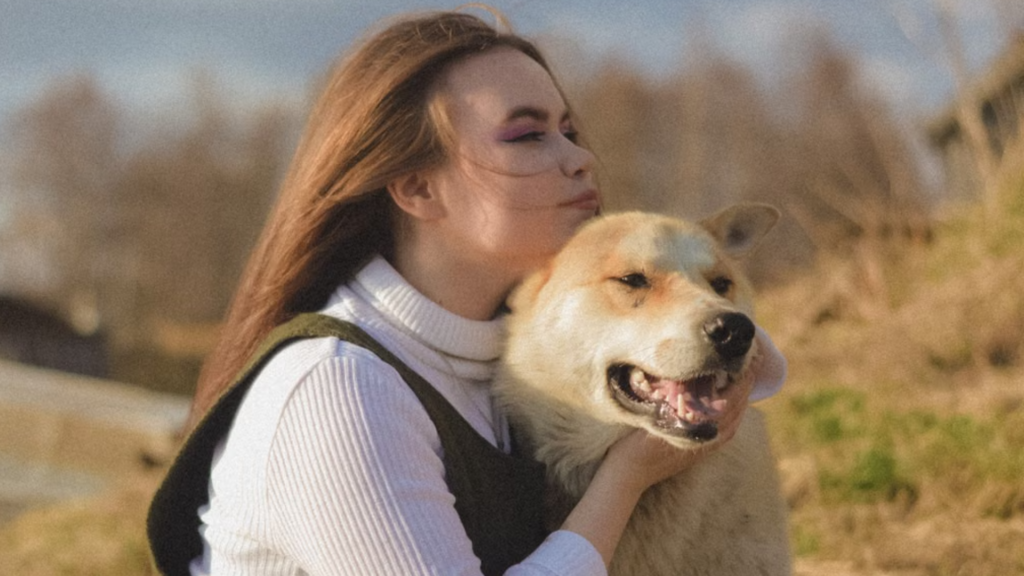
While many owners see hugs as affectionate, not every dog enjoys being tightly embraced. Some dogs tolerate hugs while others display signs of stress such as turning away, licking their lips, flattening their ears, or trying to move away. Paying attention to body language helps owners understand how their individual dog prefers to receive affection.
Forgetting Regular Veterinary Care

Routine veterinary visits help identify health problems before they become serious. Vaccinations, dental care, parasite prevention, and wellness exams all contribute to a longer, healthier life. Dogs cannot explain when something hurts, making preventive care especially important.
Respecting Your Dog’s Individual Needs
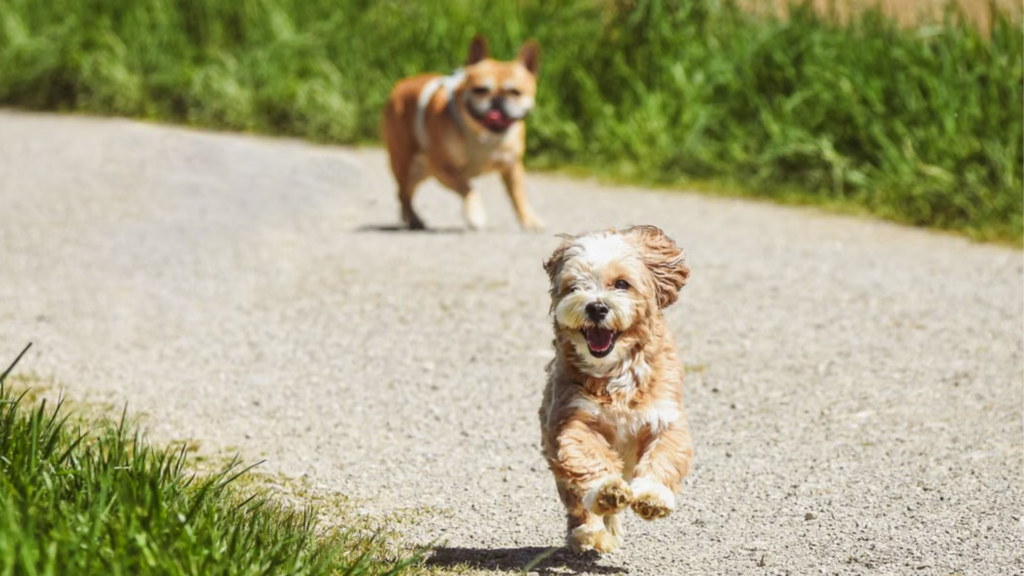
Every dog has a unique personality, energy level, and comfort zone. Some enjoy meeting new people and dogs, while others prefer quieter environments and familiar routines. Understanding your dog’s individual preferences helps create a stronger, healthier relationship built on trust and mutual respect.
Small Changes Can Make Life Better for Your Dog
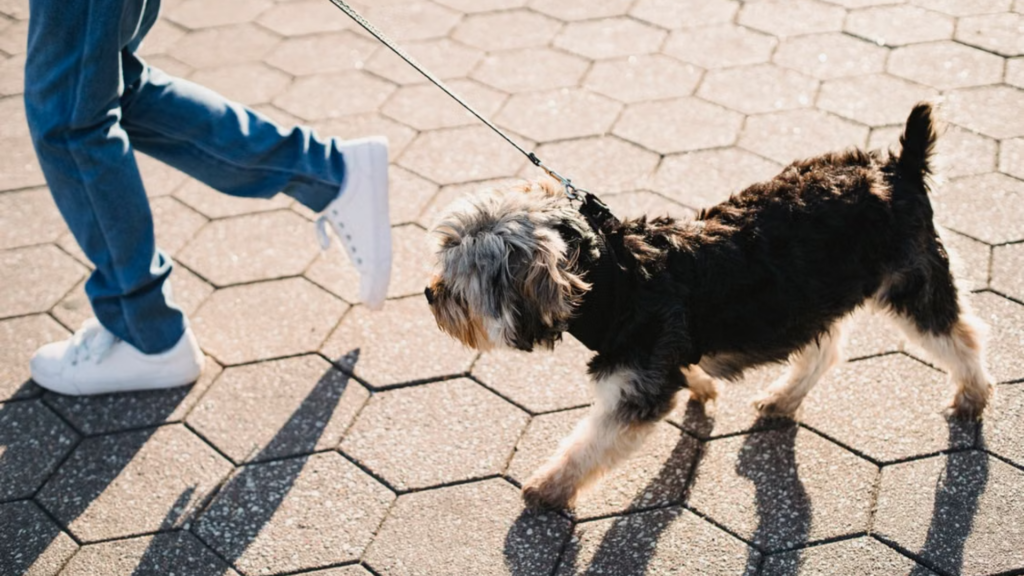
Dogs depend on their owners for safety, guidance, and companionship. Avoiding habits such as inconsistent training, excessive yelling, lack of exercise, prolonged isolation, and insufficient mental stimulation can greatly improve a dog’s quality of life. By paying attention to body language, practicing positive reinforcement, and meeting both physical and emotional needs, owners can build stronger bonds and help their dogs live happier, healthier lives.
PetsFanatic Team
Pet Care Expert & Content Creator
Passionate about sharing knowledge and tips for better pet care. Writing about everything from pet health to training techniques.