
40 Years After Gophers Were Released, Mount St. Helens Is Alive Again

Mount St. Helens once looked like a moonscape, its eruption scarring the land for miles. Four decades later, the story feels very different. Fields hold bursts of color, animals dart through the brush, and trees stretch upward where ash once ruled. The mountain doesn’t just sit as a memory of an eruption anymore. It’s alive again, carrying a new chapter that’s just as fascinating as the day it blew.
Mount St Helens Eruption Impact

When Mount St. Helens erupted in 1980, the blast leveled forests, buried rivers, and spread ash across states. Entire valleys looked stripped clean, and life on the mountain almost vanished overnight. The eruption moved rock, soil, and water in every direction, leaving a scar that stretched for miles. Families watched the sky darken, communities dealt with layers of ash, and the mountain itself stood silent for years. So many thought the area would never recover.
Gopher Experiment Design

Scientists needed a way to bring life back to Mount St. Helens, so they tried something unexpected. They released pocket gophers into the barren ground and let the animals do what they do best. The gophers dug tunnels, mixed soil, and created spaces where plants could grow again. The constant digging also pulled fresh nutrients to the surface, which gave new seeds a chance to take hold.
Soil Bioturbation by Gophers
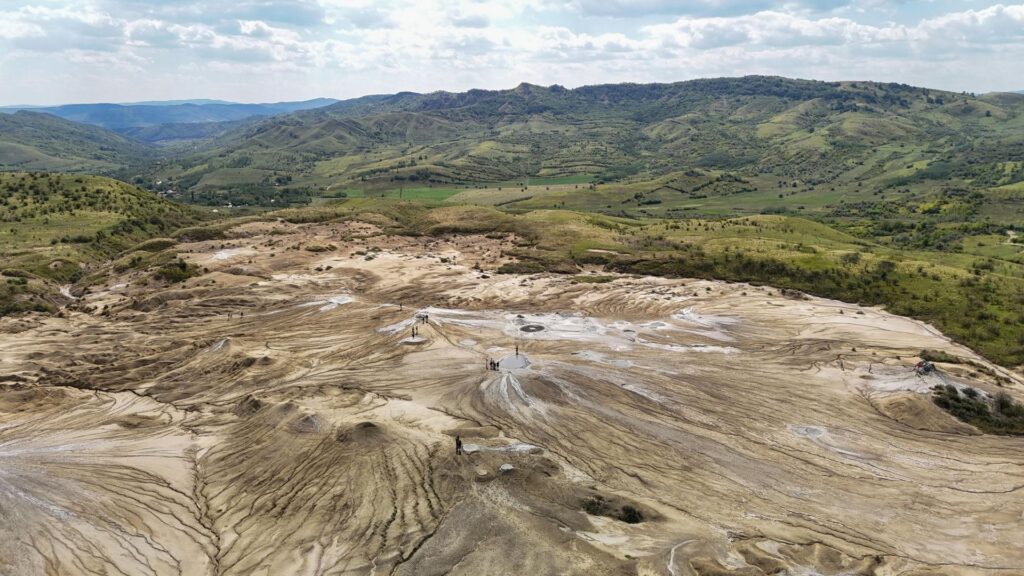
Pocket gophers never stopped working once they were released on Mount St. Helens. They dug through thick volcanic ash, so the hard surface started breaking apart. Their tunnels mixed fresh soil with buried layers, and that opened the ground for plants to sprout. Each burrow also held small pockets where water could collect. The animals kept churning the surface day after day, and the soil slowly shifted into a place where life could gain a foothold again.
Mycorrhizal Fungi Revival

Once plants began returning to Mount St. Helens, underground fungi also came back. These mycorrhizal fungi connect to plant roots, so they help with water and nutrient exchange. The relationship just makes growth stronger, and it spreads quickly through the recovering soil. Scientists noticed how fast these networks formed and how much they supported new vegetation. The fungi worked quietly beneath the surface, but their presence showed how recovery wasn’t limited to what people could see above ground.
Plant Recovery Comparison

Plants didn’t return to every part of Mount St. Helens in the same way. Areas touched by gophers showed faster growth, so fields of grasses and wildflowers took shape sooner. Other zones without burrowing stayed barren much longer. The difference was striking, and scientists could just look across valleys to see it. Gopher activity loosened soil, opened space for roots, and gave seeds a better start. Recovery patterns showed how uneven progress can look after an eruption.
Microbial Community Changes

Soil microbes shifted as plants and animals returned to Mount St. Helens. The earliest years held only a few hardy species that could survive in ash. Once gophers started turning the soil and plants began spreading, microbes multiplied and diversified. They broke down organic matter, cycled nutrients, and supported the growth above ground. Scientists tracked how fast these communities changed, and the soil just kept becoming more active with each passing season, showing recovery at the smallest scale.
Long-term Ecosystem Effects

Decades after the eruption, Mount St. Helens shows how much change can come from steady natural processes. Gophers kept loosening soil, so plants spread faster, and animals returned to feed and shelter. Microbes and fungi also flourished underground, adding another layer of growth support. The landscape looks alive in ways few expected when ash first covered everything. Recovery didn’t follow a simple path, but each year added more pieces that turned the mountain into a thriving ecosystem again.
Restoration Implications

The recovery of Mount St. Helens gave scientists fresh insight into how ecosystems bounce back. Gophers just kept digging, so plants and microbes followed, and a community slowly took shape. The process showed how small animals can speed up change in ways people might overlook. Researchers also learned that recovery doesn’t move in straight lines. Every season added a new layer, and the mountain kept showing that life can return in surprising and practical ways.
Looking Ahead at Mount St. Helens

Mount St. Helens shows how life can return in surprising ways. From the smallest gophers to the trees now covering the slopes, the mountain is full of activity again. Visitors can see meadows, streams, and thriving wildlife where there was once ash and silence. Scientists still study how the land responds, so the mountain keeps offering lessons. Watching its recovery gives people a chance to connect with nature’s ability to adapt and grow.
PetsFanatic Team
Pet Care Expert & Content Creator
Passionate about sharing knowledge and tips for better pet care. Writing about everything from pet health to training techniques.