
Scientists Uncover Traces of a Giant Shark that Ruled the Seas Before Megalodon, but What Was it Really?
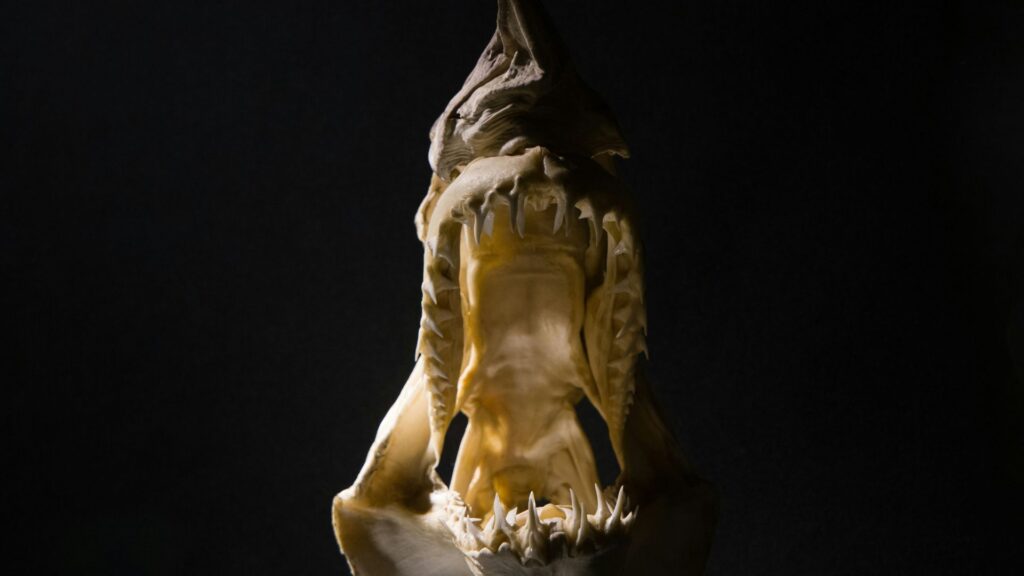
Long before the legendary Megalodon captured public imagination, the oceans were already home to powerful predators that shaped marine ecosystems in ways we are only beginning to understand. A recent discovery is shedding light on one such creature, offering new clues about the deep evolutionary roots of modern sharks and revealing that the story of ocean giants began much earlier than previously thought.
Ancient Oceans Were Home To More Than One Giant

When people think of prehistoric sharks, Megalodon often dominates the conversation, fueled by pop culture and documentaries, yet scientific research continues to reveal a more complex picture, one where multiple large predators thrived across different eras, each playing a critical role in maintaining balance within ancient marine environments.
A Discovery That Changes The Timeline

New fossil evidence suggests that a massive shark species existed millions of years before Megalodon, pushing back the timeline of large marine predators and challenging earlier assumptions about when these giants first appeared in Earth’s oceans.
Fossils Found Along Northern Australia

Researchers identified the remains after uncovering large vertebrae on a beach near present-day Darwin, Australia, a location that once lay beneath ancient seas, offering a valuable window into marine life during the Cretaceous period.
Clues Hidden Inside Vertebrae

Unlike teeth, which are more commonly found in shark fossils, vertebrae provide crucial insights into overall body size and structure, allowing scientists to make more informed estimates about how large this ancient predator may have been.
An Early Mega Predator Emerges
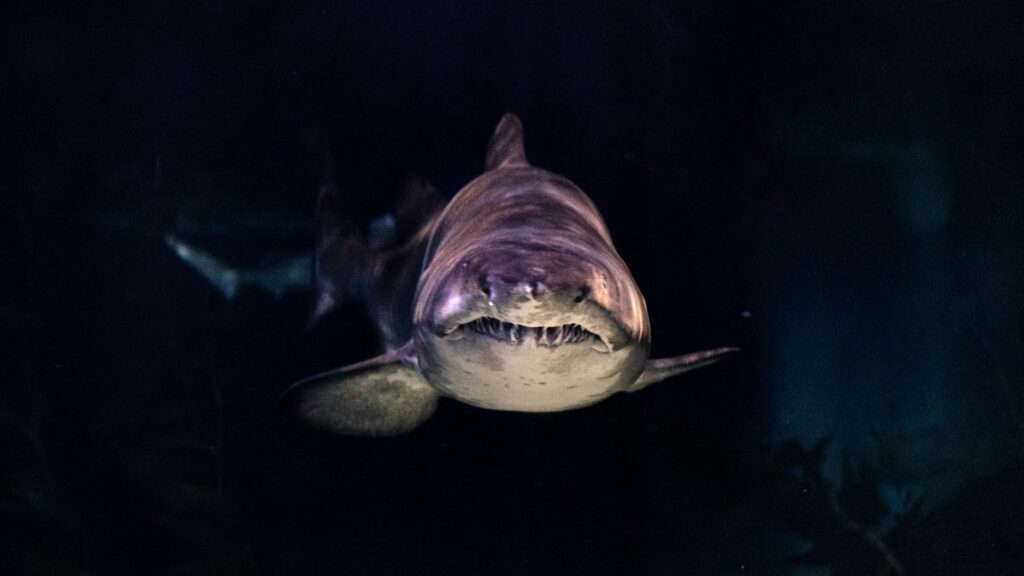
Based on current analysis, experts believe this shark represents one of the earliest known mega predators within the lineage of modern sharks, indicating that advanced predatory traits evolved far earlier than previously documented.
Larger Than Today’s Great White
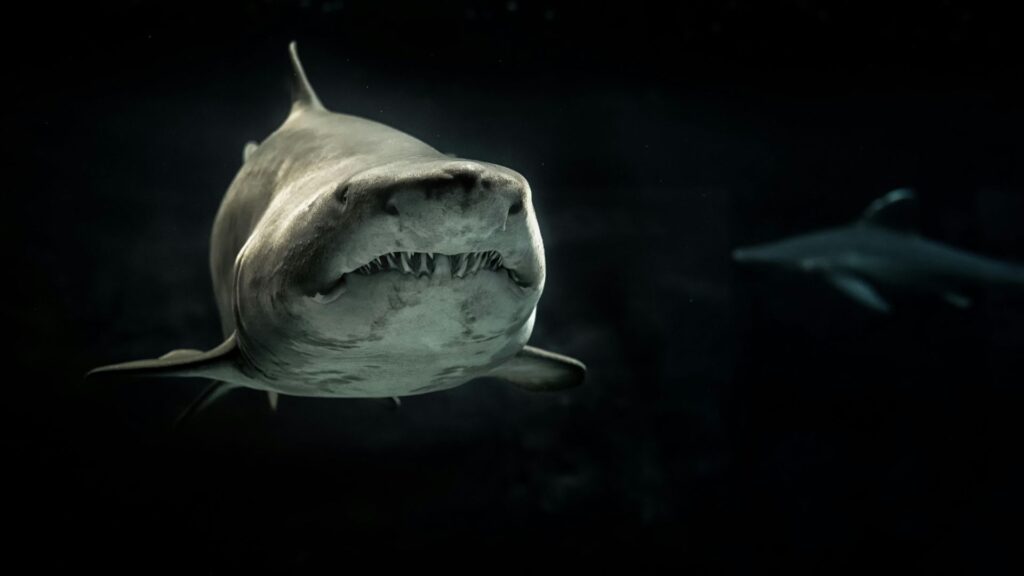
Estimates suggest the creature reached lengths of around 26 feet, noticeably exceeding the average size of today’s great white sharks, which typically measure closer to 20 feet, highlighting just how formidable this ancient species must have been.
Revisiting Overlooked Evidence

Although fossils linked to this species had been identified in the past, earlier studies did not fully explore their significance, and researchers are now reexamining those findings with updated methods and a renewed sense of importance.
Why Size Estimation Is So Complex

Determining the exact dimensions of extinct sharks remains challenging, as scientists often rely on fragmentary evidence, and scaling from teeth alone can be misleading without additional skeletal context such as vertebrae.
A Design That Stood The Test Of Time

According to experts, this ancient shark likely resembled modern species in overall shape, reflecting a body structure that has remained effective for over 100 million years, an example of evolutionary stability in one of nature’s most successful predators.
An Important Piece to The Puzzle

This discovery adds an important piece to the puzzle of shark evolution, suggesting that the rise of oceanic giants began earlier than assumed, and reinforcing the idea that the seas have long been ruled by highly adaptable and enduring predators.A New Chapter In Shark Evolution
PetsFanatic Team
Pet Care Expert & Content Creator
Passionate about sharing knowledge and tips for better pet care. Writing about everything from pet health to training techniques.