
UPS Announces 48,000 Job Cuts in Its Largest Shakeup in Over a Century

UPS is changing in ways that customers and workers can feel at the same time. The company that built its reputation on scale and reliability now faces pressure coming from inside its own network. That pressure connects to fewer packages, higher labor costs, and a growing focus on efficiency. As those forces line up, leadership has moved toward a decision that touches nearly every part of the business. The result signals a moment that will reshape how UPS operates going forward.
UPS Confirms 48,000 Job Cuts Across Operations

UPS confirmed plans to cut 48,000 jobs after earlier projections fell far short of the final number. That update came as internal reviews showed weaker package demand and rising operating costs. So the company expanded reductions across warehouse staff, drivers, and corporate teams. Those moves followed voluntary buyouts offered during the summer, which many full-time drivers accepted. Together, the cuts mark a broad reduction touching nearly every layer of daily operations.
Facility Closures Reshape the Company’s Physical Network

UPS also moved to close 93 facilities as part of the same cost reduction effort, so the physical network now looks smaller and more concentrated. Those closures included leased and owned buildings, with regional sorting centers seeing the earliest exits. As package volumes softened, the company aligned capacity with demand. That alignment connects directly to lower operating expenses and tighter control over where packages flow each day.
Amazon Volume Reductions Redefine Revenue Priorities
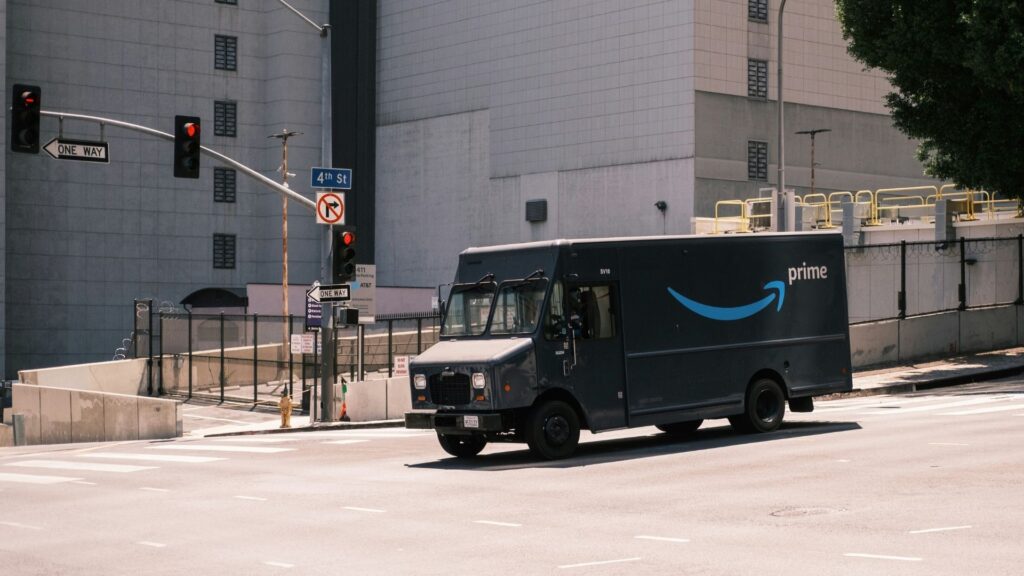
UPS also reduced delivery volume tied to Amazon, so revenue now leans less on sheer package count. That pullback followed years of moving high volumes with thinner margins. As leadership reviewed customer profitability, Amazon shipments drew closer attention. The decision narrowed exposure to low return volume and freed capacity for other business lines. That recalibration connects directly to broader cost controls already underway across the network.
A Holiday Breakdown That Changed a Partnership

A breakdown during the 2013 holiday season still echoes through the relationship today. Package delays left millions of Amazon orders arriving after Christmas, so refunds and credits followed quickly. That response pushed Amazon to rethink dependence on outside carriers. As internal delivery systems expanded, reliance on UPS steadily declined. Over time, that moment set the stage for a customer turning into a direct competitor within home delivery.
Labor Agreements Tighten Cost Pressures
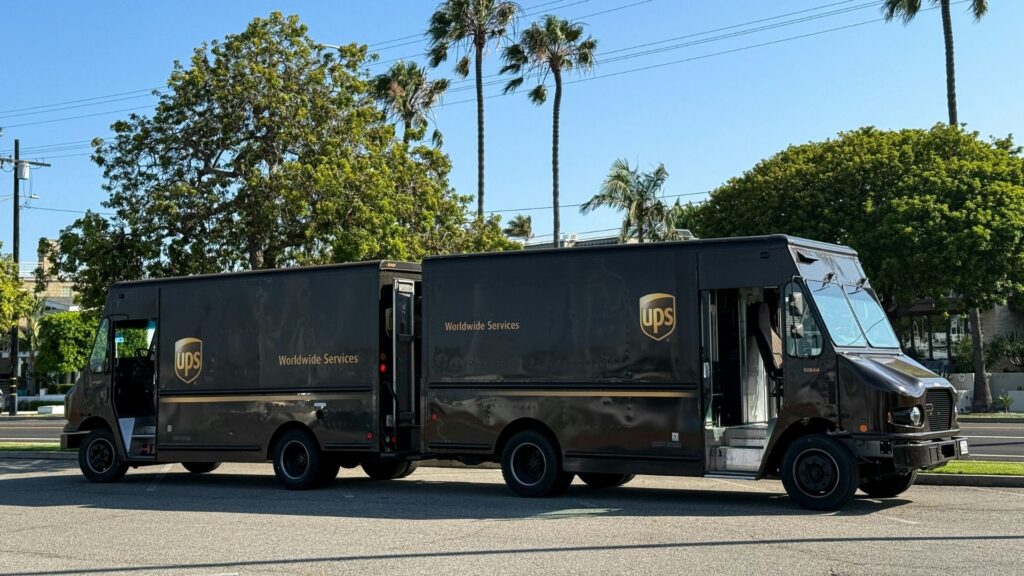
Labor costs came under sharper focus after the 2023 contract talks with the Teamsters. A near strike pushed UPS toward higher wages spread across the next five years, and that increase landed quickly in the first year. Air-conditioned vehicles also became part of the agreement, so operating expenses rose alongside pay. As those terms settled in, leadership began reassessing staffing levels across the network.
Automation Expands Across Sorting and Loading Systems

Automation now sits closer to the center of daily operations, so fewer tasks rely on manual handling. UPS committed billions to systems that load trailers and sort packages with limited human input. Those tools move freight faster and keep schedules predictable across large hubs. As automated volume increases, staffing needs adjust in parallel. That connection explains why technology investment and workforce reductions continue advancing together.
Healthcare Logistics Emerges as a Growth Focus

Healthcare logistics now receives more attention as other volumes decline. UPS already handles temperature-controlled pharmaceuticals, vaccines, and medical devices, so existing infrastructure supports that direction. That work expanded during the pandemic with global vaccine delivery, and it continues through recent healthcare-focused acquisitions. As capacity reallocates, resources follow freight that demands precision and consistency, which fits the company’s operational strengths.
Investor Response Signals Approval of Cost Reductions

Investor reaction followed quickly after UPS disclosed the expanded reductions. Shares climbed after earnings topped expectations, so the market signaled comfort with leaner operations. That response aligned with revenue holding steady while expenses moved lower. As automation plans and facility closures became clearer, confidence grew around margin control. The stock movement reflected expectations that fewer workers and tighter costs could support earnings consistency.
UPS Moves Forward With a Leaner Operating Model

UPS now operates with fewer facilities, fewer workers, and tighter control over where money flows. Because of that, automation, healthcare logistics, and selective customer volume guide daily decisions. Those choices connect back to cost discipline and earnings visibility, which investors already reacted to. So the company continues moving packages worldwide with a narrower structure. At that point, execution matters more than scale as leadership tests how a smaller footprint performs over time.
PetsFanatic Team
Pet Care Expert & Content Creator
Passionate about sharing knowledge and tips for better pet care. Writing about everything from pet health to training techniques.