
Researchers Notice Unusual Movement Among Yellowstone’s Wolves And Their Pups

Yellowstone’s wolves have long fascinated visitors, but a fresh observation has researchers buzzing. Packs recently showed a different kind of movement, and their pups played a part in it too. The sight gave experts a closer look at how these animals shift as a group. Instead of sticking to the same habits, they appeared to adjust in new ways. The behavior surprised those watching and opened up fresh questions about the park’s famous predators.
Wolf Migration During Pup Season

Researchers noticed packs in Yellowstone shifting their movements during pup season, and the timing caught attention. Adults roamed with their young in patterns that stood out. The pups weren’t only following along, they were part of the shift, moving with the pack more than expected. So the change gave scientists a fresh look at how wolves adapt when raising young, and it also highlighted how pups influence pack decisions.
Elk Migration Patterns and Timing

Elk in Yellowstone don’t stay in one place year-round, and their timing matters a lot to the wolves that track them. Herds shift with the seasons, moving to higher ground in summer and then returning to lower valleys once winter sets in. So when elk change their pace or adjust routes, wolves respond too. The link between elk movement and wolf packs gave researchers a chance to see how one species can just shape the rhythm of another.
GPS Collar Tracking Technology

Researchers used GPS collars to follow the movements of wolves around Yellowstone, and the detail they captured stood out. Collars sent signals that mapped where packs traveled and how often they shifted spots. So scientists could just sit back and see patterns form without missing a step. The collars also showed when pups joined the moves, giving a rare look at family behavior. Technology made the study feel closer, almost like tagging along with the pack.
Pup Transportation Over Long Distances

Researchers noticed wolves carrying pups over stretches that went farther than expected. Adults picked them up and moved them across valleys, and the young kept pace with the group in surprising ways. The travel brought the pack to new ground and also kept the pups included in the move. Scientists just kept watching as the trips stretched on, giving a rare window into how families handle long-distance shifts together.
Wolf Pack Movement Strategies
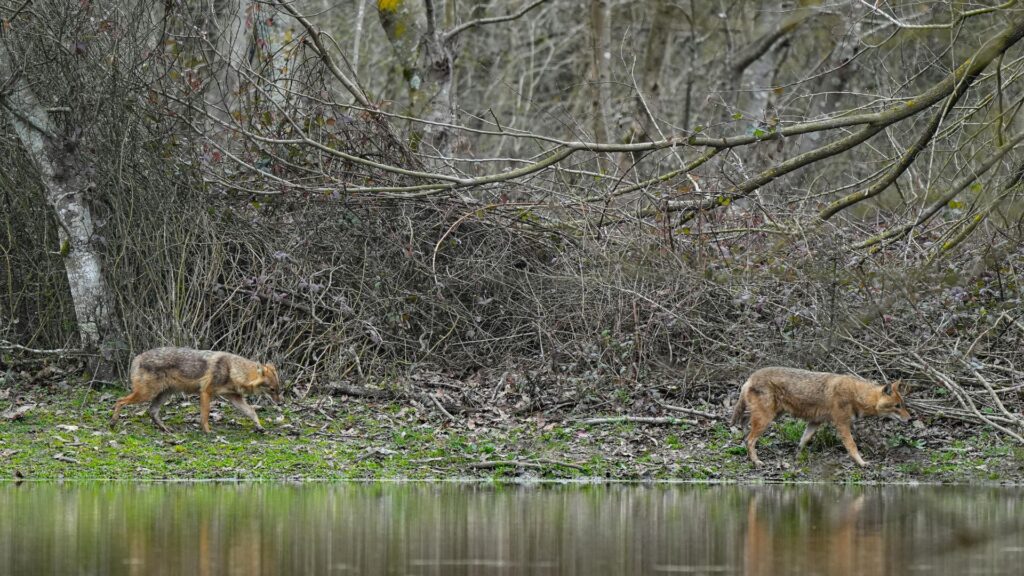
Researchers tracked how wolves shifted as full groups, and the patterns showed just how flexible they can be. Packs adjusted routes together, with adults leading and pups weaving into the flow. The movement showed rhythm that kept the family close. Scientists also noticed how the timing lined up with bigger seasonal changes, giving a fuller view of how packs travel as one. The strategies felt structured yet still responsive to the land.
Predator-Prey Adaptation Dynamics

Wolves in Yellowstone moved in response to elk shifts that changed with the seasons. Packs followed herds into new ranges and adjusted travel as the animals spread across valleys and hills. So movement patterns between the two stayed linked, with wolves shaping their routes around the migration of prey. Researchers also tracked how pups joined in, showing that even young wolves matched steps with the rhythm of elk travel. The study highlighted a steady cycle of shared movement.
Scientific Assumptions Challenged

Researchers thought wolf packs usually kept pups close to den areas, but new movement patterns told a different story. Families traveled farther than expected, and the young joined in at surprising distances. So the study just shifted how scientists viewed early pup mobility. The findings also showed that wolves adapted with a flexibility that hadn’t been recorded before. Observations gave researchers a chance to rethink long-held views about how packs handle young during seasonal movements.
Conservation Implications for Ecosystems

Wolves influence more than their own packs, and the new movement patterns reflected that reach. As they tracked elk and carried pups across long distances, they also shaped how prey and vegetation shifted in Yellowstone. So the findings just tied wolf behavior back to the broader ecosystem. Researchers also gained a fresh view of how predators connect with seasonal cycles. The observations offered a reminder of how each move by wolves links to the land around them.
What Researchers Plan to Watch Next

Scientists plan to keep tracking how wolves bring pups along during seasonal moves. Each trip tells more about how packs adjust to shifting elk herds. The next step is gathering longer records to see if these patterns hold across years. Observations may reveal new rhythms in how families travel. Researchers also want to follow how movement ties into prey changes. Watching pups grow through these journeys could shape the next round of findings.
PetsFanatic Team
Pet Care Expert & Content Creator
Passionate about sharing knowledge and tips for better pet care. Writing about everything from pet health to training techniques.