
Unlikely Culprits Upend Colorado’s Ecosystem

Colorado’s wetlands are missing something, and it’s not what anyone expected. In Rocky Mountain National Park, moose and elk have taken over Kawuneeche Valley, leaving beavers with fewer places to build their dams. The willows they depend on have been chewed down to stubs. Park crews and local partners are stepping in to bring balance back, adding fences, planting new willows, and creating spots where beavers can return and rebuild their homes.
Moose and Elk Overtake Kawuneeche Valley

Moose and elk have moved into Kawuneeche Valley in growing numbers, and they’re changing everything around them. Their constant grazing stripped away willows that once fed beavers and shaped the wetlands. The loss hit harder than anyone expected, leaving fewer dams and drying streams. Park scientists saw how quickly the balance shifted, so they began working on ways to give the willows a chance to grow again and help bring the beavers back home.
Beavers Lose the Wetlands They Built
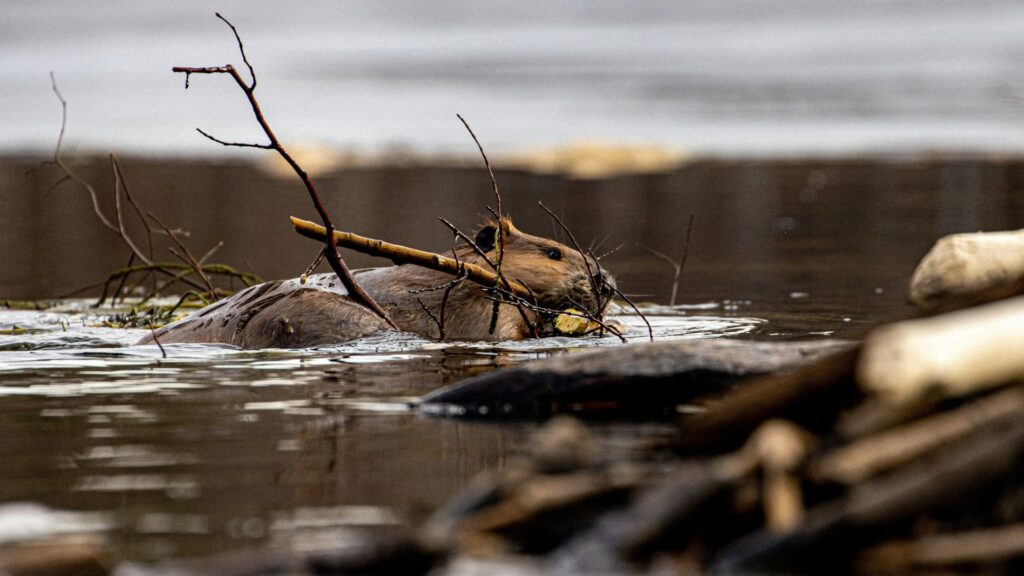
Beavers once filled Kawuneeche Valley with ponds and winding streams, but the landscape looks different now. With moose and elk eating through the willows, beavers lost the building materials they depend on. The ponds dried up, and their dams started breaking apart. Park teams noticed how quiet the wetlands had become, so they began rebuilding spots where the water can return. The goal is to give the beavers a reason to come back and rebuild.
Willows Vanish Under Heavy Grazing

The willows in Kawuneeche Valley once grew tall along the creeks, shaping a green stretch where beavers built their dams. Moose and elk arrived in greater numbers and began feeding nonstop, leaving little chance for new growth. The banks turned bare, and the shade that kept the wetlands cool disappeared. Park workers saw how quickly the change spread, so they started fencing off areas to give the willows space to grow without constant grazing.
Park Service Launches Restoration Effort

The National Park Service stepped in to bring Kawuneeche Valley back to life. Crews started building fences along the creeks so moose and elk can’t eat through the young willows. They also began creating structures that act like beaver dams, helping the water spread and stay longer in the valley. It’s a hands-on effort that’s bringing back wetland areas, giving beavers a better chance to return and the plants a chance to thrive again.
Kawuneeche Valley Restoration Collaborative Forms

The Kawuneeche Valley Restoration Collaborative came together in 2020 to help restore the natural balance of the valley. The group includes park staff, local governments, and nonprofit partners, all working side by side. They’re combining their efforts to rebuild habitats, repair waterways, and bring back native plants. The project connects people who care deeply about keeping the valley healthy for both wildlife and visitors who come to see its recovery.
Millions Raised to Revive the Ecosystem

Funding for the restoration quickly gained support, reaching about $3.3 million to help rebuild Kawuneeche Valley’s damaged wetlands. Grants and donations came from local governments, nonprofits, and community partners. The money goes toward fencing projects, replanting efforts, and building beaverlike structures that hold water in the valley. Park ecologist Isabel de Silva Shewell said the teamwork has been steady, with each group contributing what they can so the project keeps moving forward.
Crews Build Fences and Beaverlike Dams

Crews in Rocky Mountain National Park are getting creative with how they rebuild the wetlands. They’ve put up fences along the creeks to stop moose and elk from eating the young willows. Workers also built beaverlike dams that slow the water and help it spread again through the valley. The plan doesn’t stop there, since more of these low-tech structures will soon be added to nearby waterways to keep the restoration moving forward.
New Growth and Patience Shape the Recovery

New growth is slowly taking root across Kawuneeche Valley. Crews planted willows and native plants to bring life back to the wetlands, and they’re removing invasive species that compete for space. The process takes time, but the signs of recovery are showing. Water is pooling again in some areas, and young plants are beginning to spread. Everyone involved knows the work needs patience, so each season adds another small step toward restoring balance.
Restoring Nature One Step at a Time

Kawuneeche Valley’s comeback is already taking shape. The fences, new willows, and beaverlike dams are helping water return and wildlife settle back in. Each project adds a little more life to the wetlands. Park workers and volunteers know it won’t happen overnight, but they’re moving forward with steady progress. Visitors who walk through the valley soon might see beavers building again and the creeks flowing just like they once did.
PetsFanatic Team
Pet Care Expert & Content Creator
Passionate about sharing knowledge and tips for better pet care. Writing about everything from pet health to training techniques.